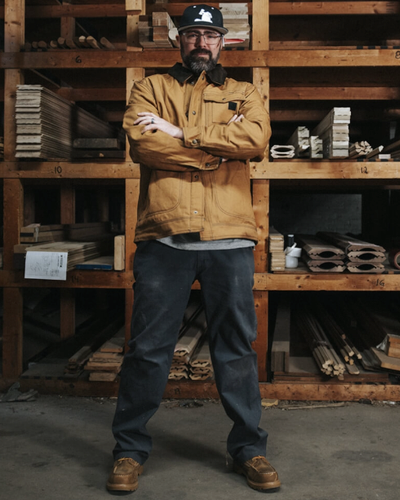
Wolverine
Same 1880s-1900s American work-boot heritage, wider lifestyle reach
What changes: Bigger mass-market range and cheaper cemented lines alongside heritage 1000 Mile
 disco
Brand profile
American boot maker founded in 1901, known for logger, engineer and steel-toe work styles, owned by Berkshire Hathaway's Justin Brands.
4 brands like Chippewa Boots like Wolverine, Canada West Boots, Frye →
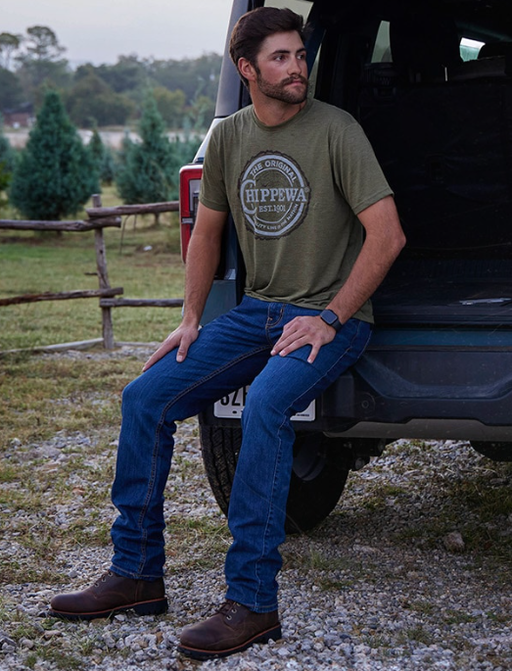
The line includes steel- and composite-toe work boots, waterproof snake boots, loggers and engineers — safety specs, not heritage styling applied to a fashion boot.
Founded in 1901 to shoe loggers, railroad crews and engineers in Chippewa Falls, Wisconsin; the oiled and pull-up leather lace-ups now read as workwear-driven street footwear.
Justin Brands bought Chippewa in the 1980s and has been a Berkshire Hathaway subsidiary since 2000, which keeps most boots below boutique American bootmaker pricing.
Overall fit
slightly large
Chippewa boots are commonly reported to run slightly large and long, so many buyers size down a half size for the best fit.
Tip: Most wearers go a half size down from their Brannock/measured size, especially in heritage lace-ups.
Medium confidence · based on 18 sources
By category
| Category | Runs | Shape | Size advice |
|---|---|---|---|
| Boots | slightly large | medium to slightly wide width with a roomy toe box and moderate instep | Order a half size below your measured/Brannock size; expect a firm break-in period with the oiled and pull-up leathers. |
Directional fit consensus summarized from public sources with AI — a starting point, not a guarantee. Confirm with the product's own measurements before buying.
Same 1880s-1900s American work-boot heritage, wider lifestyle reach
What changes: Bigger mass-market range and cheaper cemented lines alongside heritage 1000 Mile
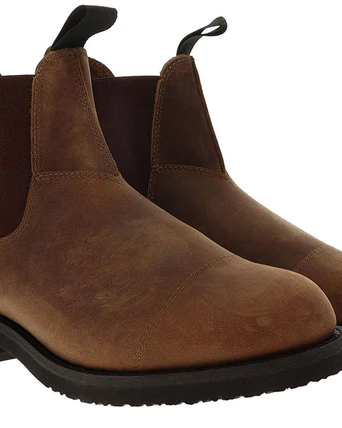
Goodyear-welted work and western boots from a family bootmaker
What changes: Canadian, smaller distribution, less streetwear crossover
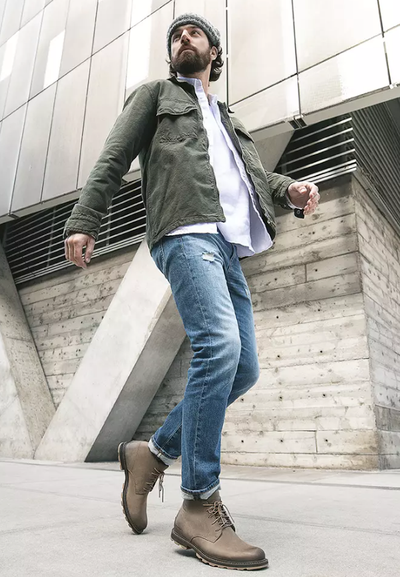
Older American harness and engineer leather boot lineage
What changes: Fashion-driven now, licensed brand, less workwear function
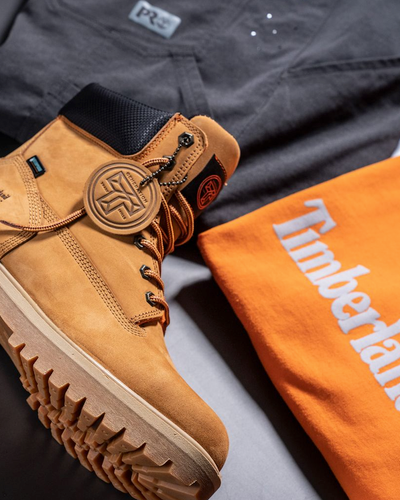
Safety-rated trade boots with the same steel-toe brief
What changes: Purely functional PPE, no heritage or leather-nerd appeal
Chippewa Boots fits slightly large. Most wearers go a half size down from their Brannock/measured size, especially in heritage lace-ups. Chippewa boots are commonly reported to run slightly large and long, so many buyers size down a half size for the best fit.
Chippewa boots are commonly reported to run slightly large and long, so many buyers size down a half size for the best fit. Overall shape: medium width with a fairly roomy toe box.
Chippewa Boots boots fits slightly large. Order a half size below your measured/Brannock size; expect a firm break-in period with the oiled and pull-up leathers. Shape: medium to slightly wide width with a roomy toe box and moderate instep.
Chippewa makes work, western and outdoor boots, a trade it has practiced since opening a factory on River Street in Chippewa Falls, Wisconsin in 1901 to shoe loggers, railroad crews and engineers. The line covers steel- and composite-toe work boots, waterproof snake boots, logger and engineer styles, and heritage lace-ups in oiled and pull-up leathers that cross over into workwear-driven streetwear. Justin Brands acquired the company in the 1980s, and Justin has been a Berkshire Hathaway subsidiary since 2000. Most boots sit in the $200-$350 range.