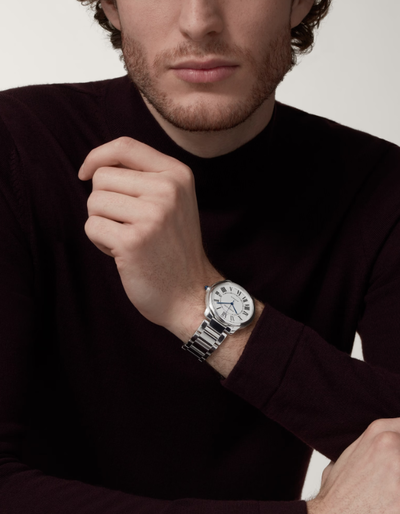
 91% match
Cartier
Icon-driven jewellery plus in-house watchmaking
What changes: French rather than Roman codes; broader watch catalogue
 disco
discoBrand profile
Roman luxury house founded in 1884, LVMH-owned since 2011, known for coloured-stone high jewellery, Serpenti and B.zero1 lines, and ultra-thin Octo watches.
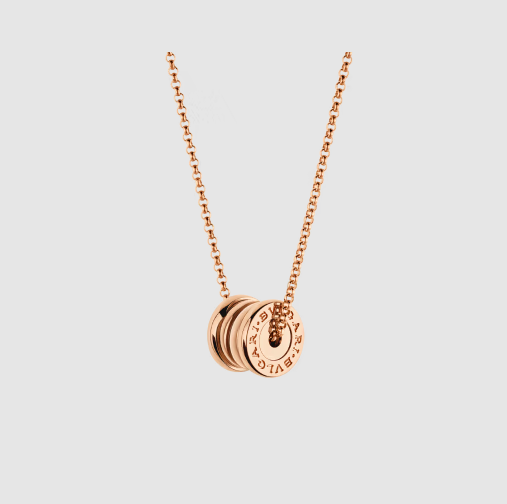
Bulgari makes no mainline clothing; a menswear shopper is buying watches, jewellery, leather goods or fragrance, plus access to its hotel chain.
The house builds high jewellery around coloured stones and hardstone pairings, with bold volumes drawn from classical Roman architecture rather than pared-back Parisian formality.
On the watch side the reputation rests on the record-thin Octo Finissimo, alongside recurring jewellery lines like Serpenti, B.zero1, Tubogas and Bvlgari Bvlgari.
91% matchIcon-driven jewellery plus in-house watchmaking
What changes: French rather than Roman codes; broader watch catalogue
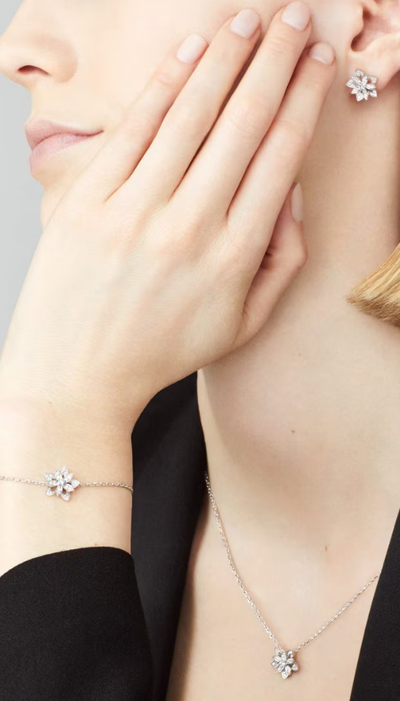 86% match
Motif-led high jewellery with couture craft
What changes: Softer, nature-inspired vocabulary; less bold colour blocking
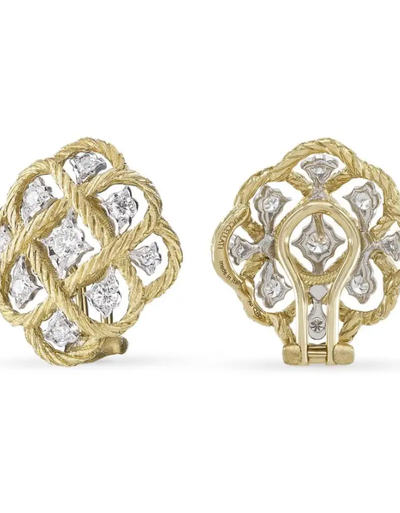 84% match
Italian goldsmithing with hand-engraved texture
What changes: Purely jewellery and silver, no watch or hotel arms
 80% match
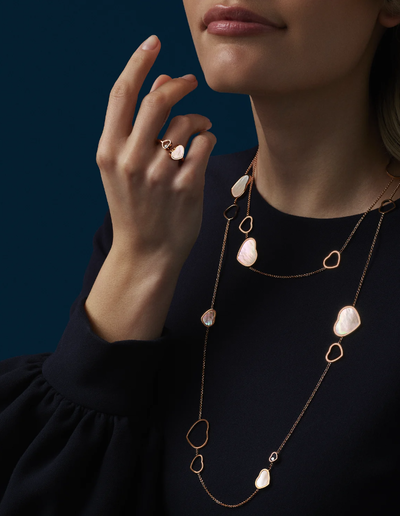
Family-rooted jeweller-watchmaker with red-carpet gems
What changes: Swiss watch manufacture focus, more ethical-gold messaging
Bulgari is a Roman jeweller founded in 1884 by Greek silversmith Sotirio Bulgari and majority-owned by LVMH since 2011, when the family traded its 50.4% controlling stake for LVMH shares. It sits in LVMH's watches and jewellery division alongside Tiffany & Co. Output centres on coloured-stone high jewellery and recurring lines including Serpenti, B.zero1, Divas' Dream, Tubogas and Bvlgari Bvlgari, plus record-thin Octo Finissimo watches, leather goods, fragrance and the Bulgari Hotels & Resorts chain. Design references classical Roman architecture, bold volumes and hardstone colour pairings. There is no mainline ready-to-wear.