
Methodology
How Disco works.
Disco is built on a growing map of fashion brands, products and the relationships between them.
We combine structured information with our own analysis and editorial review to make brand discovery more useful.
The goal isn't to collect the most data. It's to make that data useful.
From information to recommendations.
We collect information from brands, retailers, products, size charts and other relevant sources.
That information is organized into a consistent model across brands and products.
Disco analyzes how brands, products and attributes relate to one another.
Automated analysis can surface useful possibilities. Editorial review helps determine whether the resulting recommendation actually makes sense.
What we know, and what we conclude.
Not every piece of information on Disco means the same thing.
Directly available from a source.
- A retailer lists a product at $320
- A size chart lists a 56 cm chest
- A brand describes a jacket as oversized
Conclusions we make using one or more observations.
- Brand A is closely related to Brand B
- A brand generally sits in a certain price tier
- A product may fit larger than average
We keep sourced information separate from Disco's own analysis wherever possible.
How we find similar brands.
Brand similarity is not just about putting two labels into the same broad category. Disco scores relationships across the signals it holds about every brand:
Automated analysis surfaces the candidates. Editorial review decides what is actually useful, because an algorithmically plausible recommendation is not automatically a good one.
Two brands do not need to be identical to be useful alternatives, so every recommendation also carries the reason it belongs.
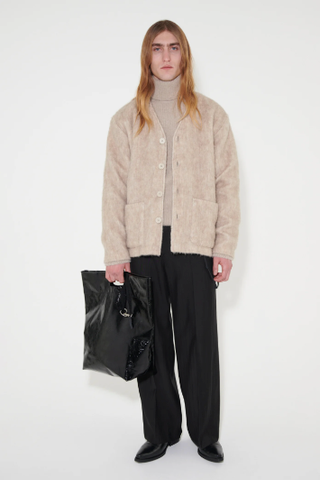
Our Legacy
 Acne Studios89% match
Shared Swedish design-forward positioning and overlapping silhouettes, at a higher price point.
 A.P.C.86% match
Overlapping minimalist wardrobe staples, with a French rather than Scandinavian sensibility.
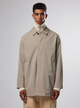 NN0782% match
Similar Scandinavian wardrobe staples in a more relaxed fit, at a noticeably lower price.
Similarity is a relationship, not a category.
How brands are ranked.
Every “brands like X” list is ordered by three questions, asked of each brand against the one you searched for:
| Factor | What it asks |
|---|---|
| Signature | Does it deliver what the brand is known for: its iconic piece or feeling? |
| Look | Same aesthetic? |
| Product | Sells the same things? |
Signature comes first because a brand that sells the same items without the thing people love the original for is not really an alternative. Look and product then separate the brands that pass it. Look and product are proposed from Disco's data (style tags and the categories each brand sells); signature is proposed by Disco's model from each brand's description. On a reviewed page, Dante Phillips confirms or changes every call and settles the order.
Price is not part of the ranking. A brand that looks like the one you searched for but costs more, or less, is still a match. Each pick states its measured price difference on its own line, compared category by category where Disco tracks prices, so you can see “the same look at twice the price” rather than lose the brand from the list.
Lists show no percentage. On a brand profile that isn't yet tied to a reviewed list, the “% match” on a similar brand is an estimate from Disco's similarity model.
What “Reviewed by Dante” means.
Some “brands like X” pages carry the line “Reviewed by Dante Phillips”. It means the list was researched, then checked and signed off by Dante, who runs Disco. A page without that line hasn't been reviewed this way yet.
Research comes first. Disco's model checks the existing page for errors: closed brands, duplicates, price labels that don't match real prices, and copy that contradicts the list. It then defines what the reference brand is known for, from sources, and judges each candidate against that, including brands that weren't on the page before.
Then Dante makes the calls. Which brands belong, which come off, which lead the list and in what order. Brands that aren't real substitutes come off, and the intro and FAQ are rewritten from the approved list.
Nobody types the numbers. Price comparisons are computed from tracked prices (how), and the count in the headline is the number of brands on the page.
The date is the review. The month next to his name is when he signed the list off. Automated changes, like removing a brand that has closed, never add the line or move the date.
A review is an editorial judgement about which brands are good alternatives. It doesn't mean every brand on the list was bought and worn.
How “lower-priced” is decided.
On a reviewed “brands like X” page, every price line names one category and both sides of it: “Trousers US$369–420, lower-priced than Our Legacy (US$446–569)”. The range is the middle half of current full prices — the 25th to the 75th percentile, in US dollars — from the retailer listings Disco tracks every day. We compare on the garment category both brands have the most listings in, never on accessories while a garment is available, and we never compare shirts with jackets.
Lower-priced means that category's median is at least 20% under the reference brand's; higher-priced means at least 25% over; anything between is a similar price. One category is a claim about that category only, which is why the page says “lower-priced jeans” rather than “cheaper”.
When no retailer Disco follows stocks a brand, we read list prices from the brand's own storefront, converted at the day's European Central Bank rate, and the page says so. When neither exists, the page compares general price tiers and says that too. When there is nothing measured on both sides, the page makes no price claim at all. Nobody types a price: a reviewer can change which brands are listed and what is said about them, but every number comes from tracked prices and is re-derived before each publish.
How we check prices.
Once a day we check the price of every product on our Best-of pages at each US store that sells it: the brand's own shop, larger retailers and independent stores, whether or not they pay us a commission. A store we can't reach that day isn't counted.
A product's usual price is the brand's own regular price. When we don't track the brand's shop, it's the typical price across the US stores that sell it. We only call something below usual when a single item is at least 10% and $5 under.
The price we show is one a US reader can pay at checkout. Stores abroad are listed separately and converted to dollars, because shipping and duties change the total. Multipacks are shown per item but never count as a deal.
Data, independence and corrections.
Brands, retailers, products, size charts, pricing feeds and Disco research. Not every brand has every data point, and fit guidance is an estimate that can vary by product.
Fashion changes. Prices and availability move fastest, so we update information as new data becomes available and aim to show freshness where it matters.
Disco may earn commissions through retailer links or clearly identified sponsorships. Commercial relationships don't determine organic similarity results.
See something wrong?
With thousands of brands and products, mistakes or outdated information can happen. If you notice something that needs correcting, we'd like to know.