
The best boots under $300
Under $300 the question is not which leather — it is whether the boot can be rebuilt at all. Three of these can, and we say plainly which.
18 picks from 3,000+ brandsConstruction, resoling & price compared37,113 owner comments analyzedHow we choose →
Every pick says how it is sized, which fittings exist, and whether the sole can be replaced. We don't measure lasts, so nothing here is a measurement.
Disco pick
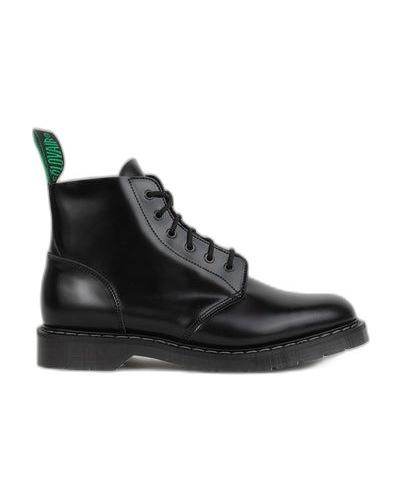
Best value
Solovair
6 Eye Astronaut · $213
Service · Goodyear welt
Runs large · half size down
Why it wins
The factory that used to make Dr. Martens, still making them properly — for thirty dollars more.
Sizing and the full case →
More recommendations
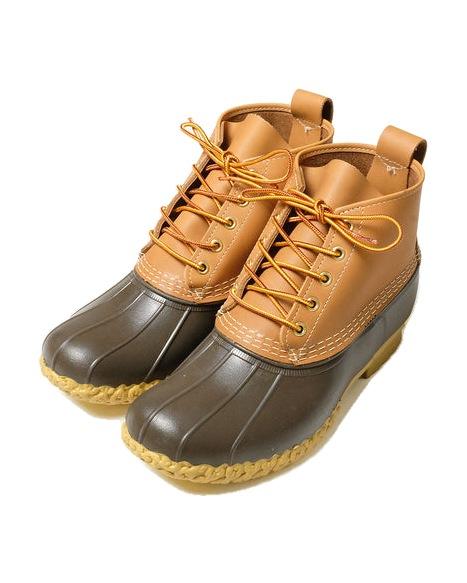
Best for rain and snow
L.L.Bean
Bean Boot 6" · $149
Weather · Hand-sewn
Runs large · half size down
Why it wins
A waterproof rubber bottom hand-stitched to a leather upper, re-bottomable, at $149.
Sizing and the full case →
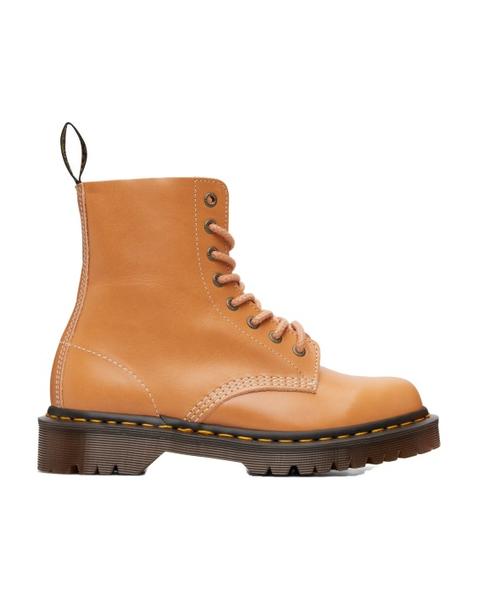
Dr. Martens
1460 · $190
Service · Goodyear welt
Runs large · half size down
Why we picked it
Welted and resoleable at $190 — the cheapest boot on this page that can be rebuilt.
Sizing and the full case →
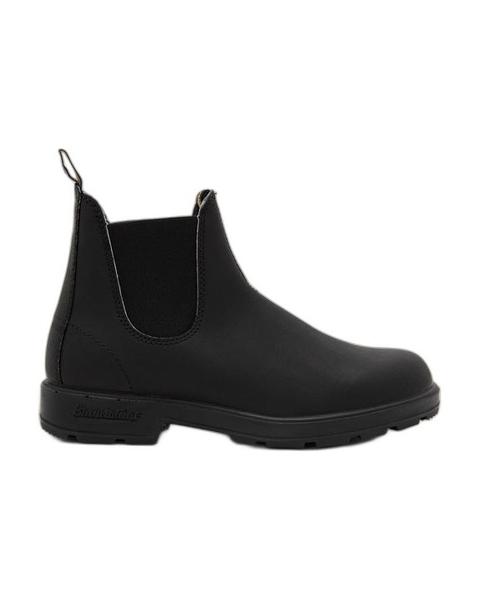
Best Chelsea
Blundstone
510 Original · $226
Chelsea · Cemented
Runs large · half size down
Why it wins
Eleven seconds to put on, waterproof by construction — and not resoleable, by the same construction.
Sizing and the full case →
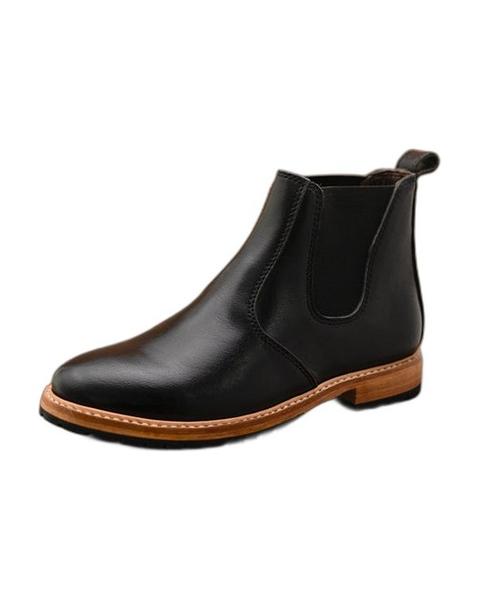
Craft & Glory
Chicago Chelsea 6" · $231
Chelsea · Goodyear welt
True to size from a Brannock reading
Why we picked it
A welted, rebuildable Chelsea for less than the cemented one everybody knows.
Sizing and the full case →
How we picked these
Updated September 16, 2026.
Every boot on this page was chosen on merit, including the ones Disco earns nothing from — a boots list without the $149 Bean Boot or the $190 1460 isn't credible. We check prices against tracked retailer stock rather than list pages, and we say plainly which of these can be resoled and which cannot, because that is the fact that decides what a boot is actually worth. Seven carry an award; the other ten are here because they're genuinely good, not to fill positions eleven through seventeen.
Why there are no measurements on this page
On our t-shirt and trouser pages every fit claim is a number we transcribed from a chart the brand published, and we compare it against something you already own. We can't do that here. A boot's fit lives in its last, and a last isn't something we can measure flat — so rather than invent numbers, this page reports how each brand is sized: whether it runs long, what to do against a Brannock reading, which fittings exist, and how long the break-in really is. Where that comes from reported owner consensus we say so, and we show how confident we are.
Boot FAQs
What does a Goodyear welt actually get you, and when is a cemented sole fine?
A welt is a strip stitched to the upper and the insole, which the outsole is then stitched to — so a cobbler can cut the outsole off and stitch a new one on without touching the boot. A cemented sole is glued, and when it goes, the boot goes. That matters if you intend to own the boot for a decade. It matters much less on a boot you wear in the wet a few weeks a year, which is why a Blundstone being cemented is a reasonable trade and a $600 boot being cemented is not.
Do boots run large?
Usually, and more than people expect — of the brands here with a sourced sizing view, most run long. The reliable way to handle it is a Brannock device rather than your sneaker size: go to any shoe shop, get your heel-to-toe and heel-to-ball measured, and size from that. As a rough rule most boots on this page sit half a size below a Brannock reading and a full size below a running-shoe size, but read each pick's sizing block, because the brands genuinely differ.
Chelsea or service boot, if I only buy one?
A service boot, almost always. It goes with more, it can usually be resoled, and it holds a foot properly under a load a Chelsea's elastic cannot. The Chelsea wins on exactly one axis and it is a real one: you will actually wear it, because putting it on costs nothing. If the honest answer is that a lace-up will sit in the cupboard, buy the Chelsea.
How much break-in is normal, and when is it a fit problem?
Stiffness across the ball of the foot and a snug instep that eases over two or three weeks is break-in. Heel slip that does not settle, numbness, or pain across the widest part of the foot is a fit problem, and it will not resolve — leather stretches in width a little and in length essentially not at all. The test is simple: break-in gets better every wear. A fit problem is the same on day twenty as on day one.
This is a filtered view of our full boots research. All 18 picks →
Sorting out the rest of the outfit? The best casual pants for men →