Padror Derby
The Padror is Kleman's core workwear derby, an ISO EN-20347-rated shoe born from decades of supplying the SNCF, Air France and the French army.
Explore Padror → disco
discoBrand profile
French workwear footwear label made in the family-run Cléon factory in Anjou, known for the Padror derby and Dalior loafer.
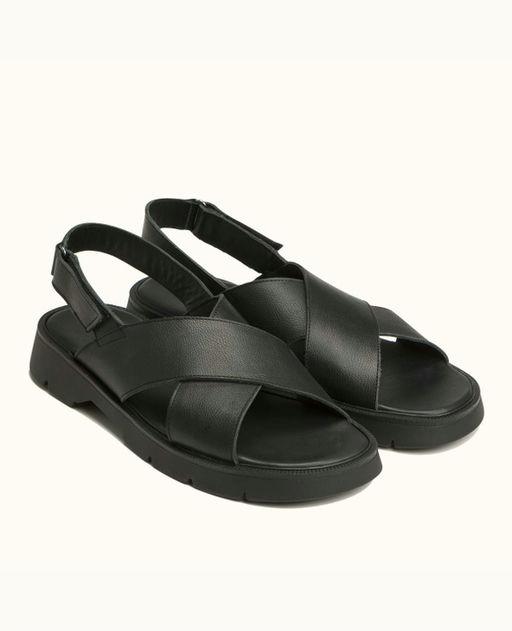
Many styles still meet the ISO EN-20347 safety standard, a holdover from supplying SNCF, Air France, customs and the French army.
Production stays at the La Romagne site owned by Cleon, the family manufacturer behind the brand, where around 45 people work.
Padror and Dalior anchor a unisex line of workwear-rooted derbies, loafers, boots and sandals, sold at mid-tier prices.
The Padror is Kleman's core workwear derby, an ISO EN-20347-rated shoe born from decades of supplying the SNCF, Air France and the French army.
Explore Padror →Alongside the Padror, the Dalior is the other pillar of the range — a unisex, French-made derby that defines Kleman's utilitarian silhouette.
Explore Dalior →A leather-soled version of the house derby made at the La Romagne factory, showing Kleman's workwear shoes in a dressier register.
Explore Cotteur →Overall fit
runs large
Kleman's French sizing runs large and roomy for most wearers, so the majority size down from their usual EU size.
Tip: Most people size down half a size, and sometimes a full size, especially if between sizes or wearing thin socks.
High confidence · based on 25 sources
By category
| Category | Runs | Shape | Size advice |
|---|---|---|---|
| Boots | runs large | roomy fit with generous volume | Size down half a size; expect some break-in as the leather is stiff initially. |
| Sandals & slides | slightly large | roomy footbed with regular width | Consider sizing down half a size if between sizes for a secure fit. |
| Dress shoes | runs large | roomy toe box with regular to wide volume | Size down half a size from your measured EU size; go a full size down if you have narrow feet or wear thin socks. |
Directional fit consensus summarized from public sources with AI — a starting point, not a guarantee. Confirm with the product's own measurements before buying.
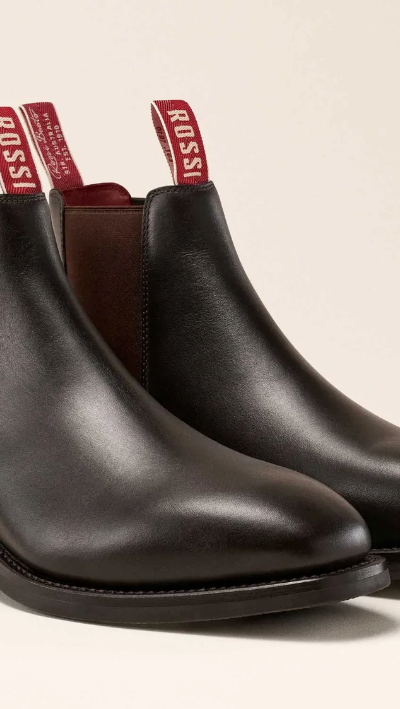 74% match
Century-old factory work boots, safety-spec heritage
What changes: Boots only, rugged Australian silhouettes rather than derbies
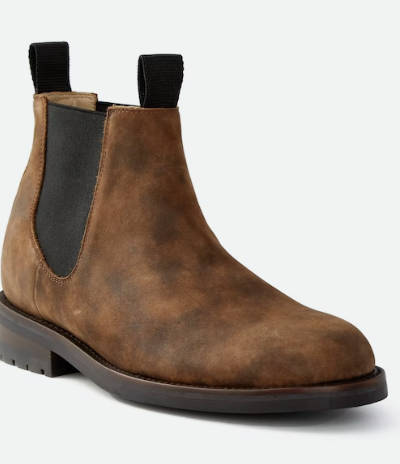 70% match
Utilitarian leather boots at an accessible price
What changes: Mexican production, Americana boot shapes over French service shoes
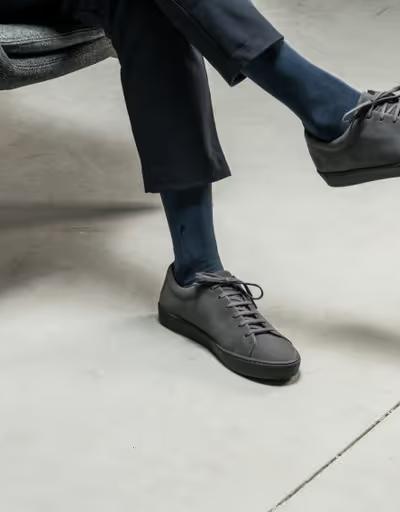 68% match
Unisex European-made leather shoes, minimal branding
What changes: Sneakers and clean minimalism instead of workwear derbies
 66% match
Heritage moc-construction staples with uniform pedigree
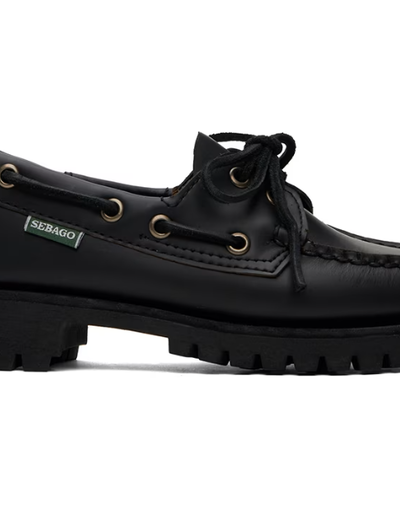
What changes: Preppy boat shoes and loafers, not industrial-spec footwear
Kleman runs large. Most people size down half a size, and sometimes a full size, especially if between sizes or wearing thin socks. Kleman's French sizing runs large and roomy for most wearers, so the majority size down from their usual EU size.
Kleman's French sizing runs large and roomy for most wearers, so the majority size down from their usual EU size. Overall shape: roomy fit with generous volume and toe box.
Kleman boots runs large. Size down half a size; expect some break-in as the leather is stiff initially. Shape: roomy fit with generous volume.
Kleman sandals & slides fits slightly large. Consider sizing down half a size if between sizes for a secure fit. Shape: roomy footbed with regular width.
Kleman dress shoes runs large. Size down half a size from your measured EU size; go a full size down if you have narrow feet or wear thin socks. Shape: roomy toe box with regular to wide volume.
Kleman is a French footwear brand owned by family manufacturer Cléon, started by cobbler René Cléon in 1945 in La Romagne, Anjou. The Kleman name, a contraction of Cléon Manufacture, launched in 1988. Production remains at the La Romagne factory, which employs around 45 people. The unisex range covers workwear-rooted derbies, loafers, boots and sandals, with Padror and Dalior as core models; many meet the ISO EN-20347 standard, a legacy of supplying SNCF, Air France, customs and the French army. Current projects include a Football Club 1988 capsule and a second-hand resale platform.