 American
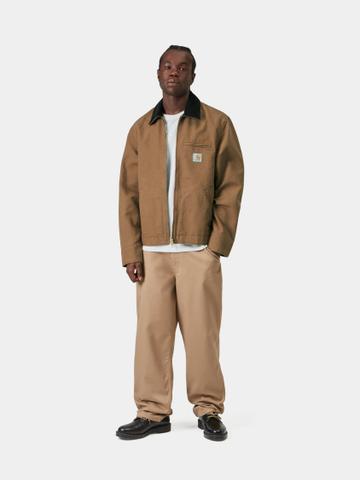
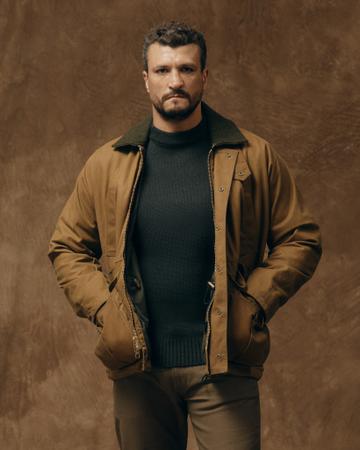
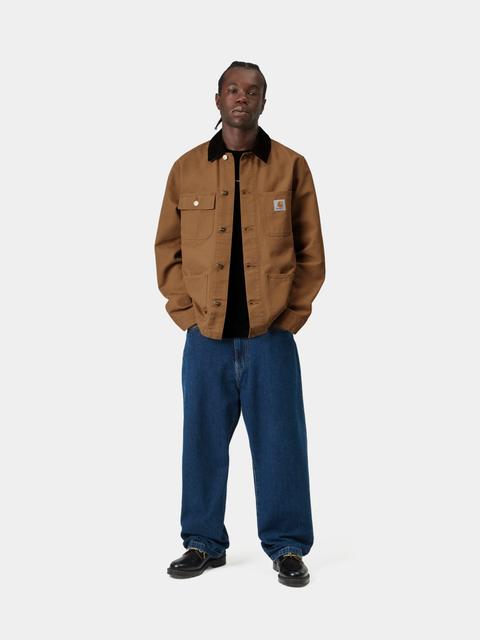
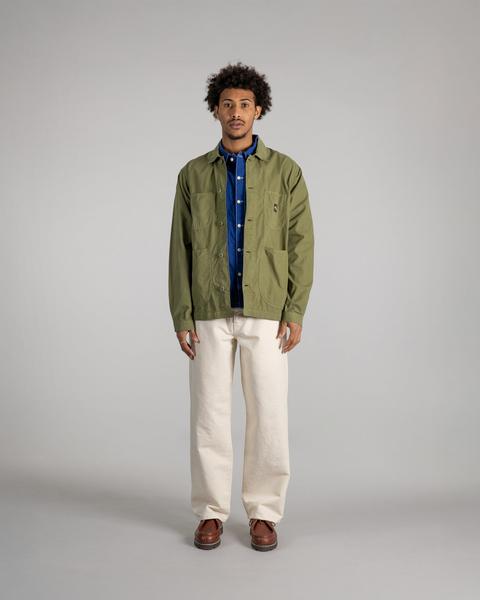
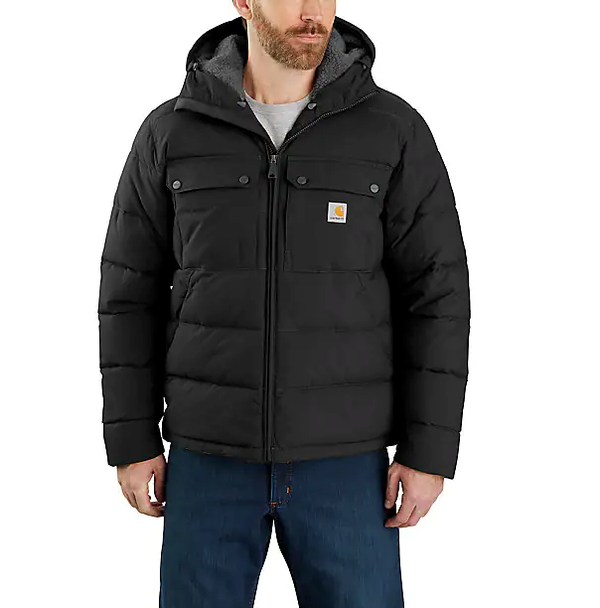
Carhartt has sold duck canvas jackets and bib overalls to workers since the 1800s. The Detroit Jacket uses 12-ounce firm-hand cotton duck.
Look at first Duck Detroit Jacket, Active Jacket, double-front work pants
But Mainline cuts are roomy for layering on site. Carhartt WIP is the fashion-oriented line.
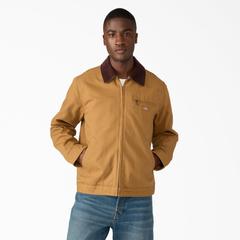
Cheaper way in Blanket Lined Duck Canvas Jacket (Dickies) $79.99
Explore Carhartt →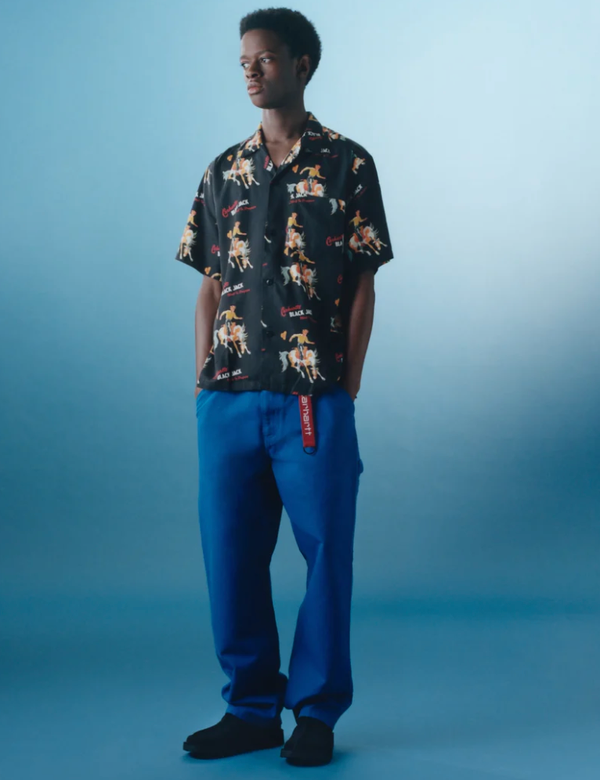 American
Edwin Faeh set up Work in Progress in 1994 as Carhartt's European distributor, and it now adapts Carhartt's core pieces into its own line. Its Detroit Jacket is 12 oz Dearborn canvas with a striped blanket lining.
Look at first Detroit Jacket, OG Detroit Jacket, Double Knee Pant
But The Detroit Jacket is $265, and Carhartt WIP suggests a size up if you layer under the blanket lining.
Cheaper way in Loose Fit Double Knee Work Pants (Dickies) $34.99
Explore Carhartt WIP →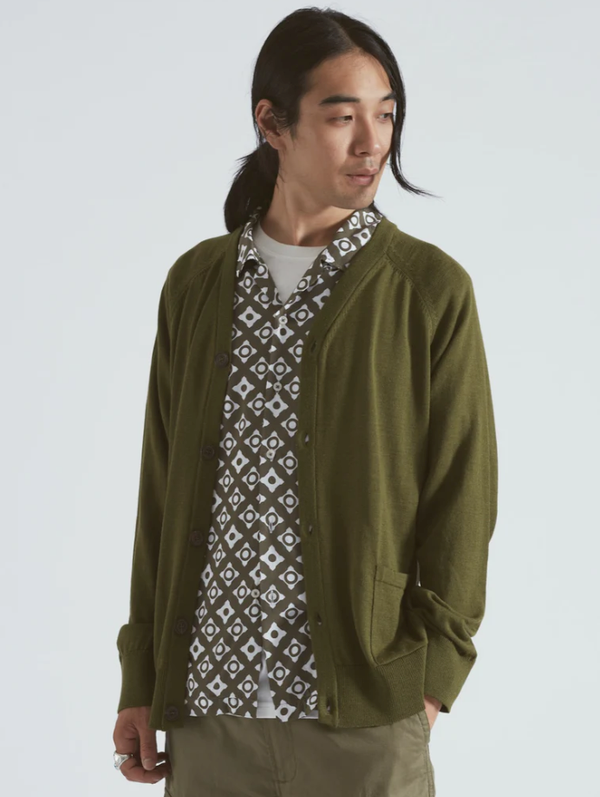 British
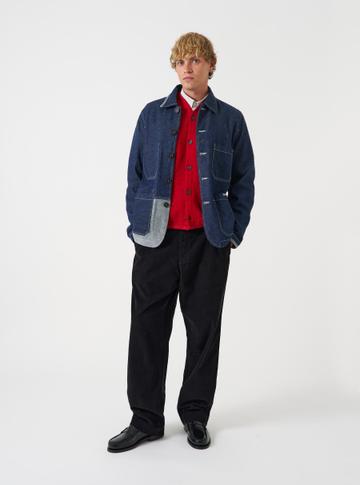
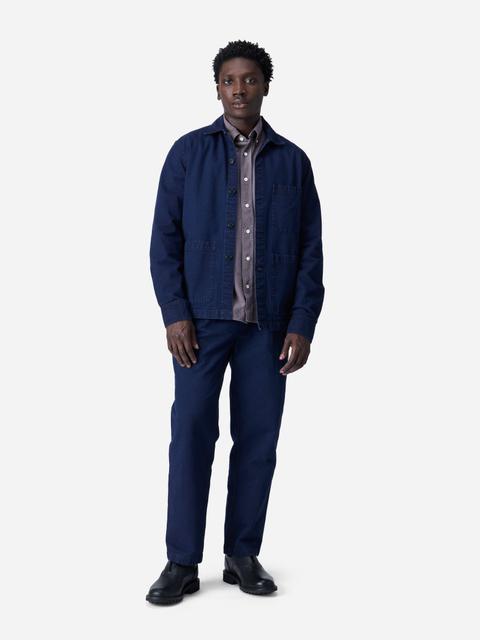
David Keyte launched the Nottingham label in 2009, drawing on the workwear his family wore. It calls the Bakers Chore Jacket its original work jacket, made in Portugal from 11oz plant-dyed indigo denim.
Look at first Bakers Chore Jacket, Fatigue Pant, Aston Pant
But Real indigo can rub off onto lighter clothes and furniture, as the brand itself warns.
Cheaper way in Original 874 Work Pants (Dickies) $29.99
Explore Universal Works →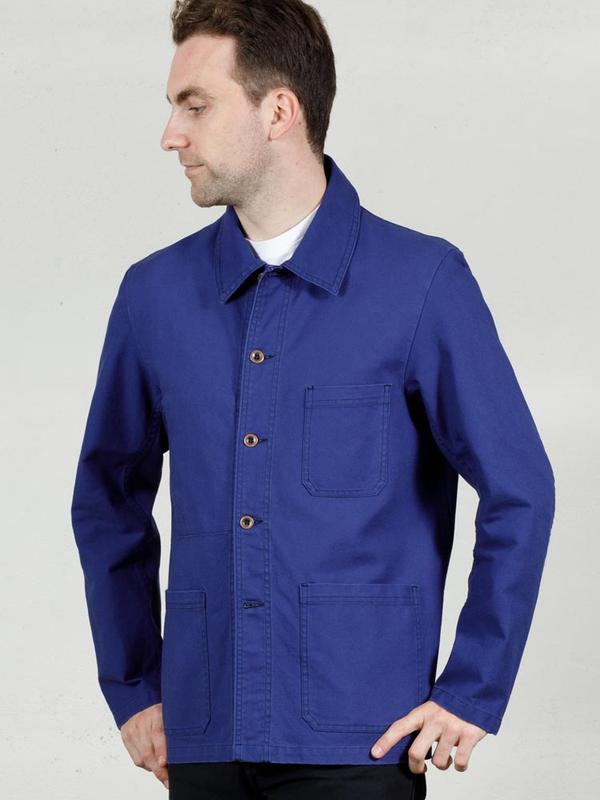 French
A family-run French workwear house still making chore jackets in its own factory. The cotton drill jacket is the plainest version of the style.
Look at first Workwear Jacket 5-Short in cotton drill; moleskin jackets
But Short, boxy cut. Check garment measurements, as sizing is French numeric.
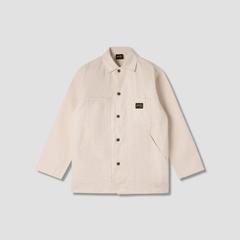
Cheaper way in Shop Jacket (Natural Drill) (Stan Ray) $95
Explore Vétra → British
Cathal McAteer's label has made clothes since 2002 and says its difference is in exclusive fabrics and small details. Its Anniversary Jacket reworks an archive chore coat in garment-washed Japanese indigo canvas.
Look at first Anniversary Jacket, Patch Overshirt, Assembly Pant
But Not cheap: the Anniversary Jacket is $313 on its US-priced store, and the indigo can mark lighter clothes.
Explore Folk →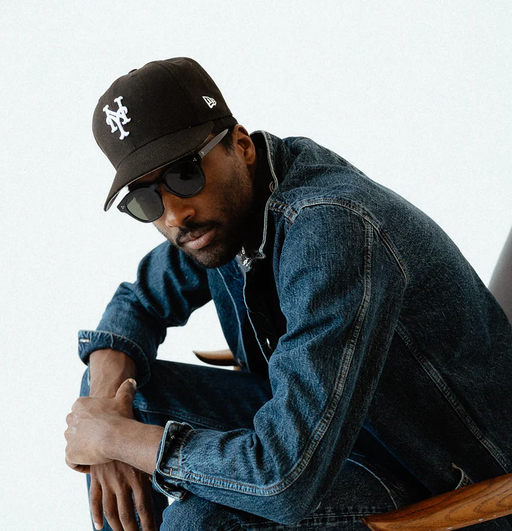 Selvedge
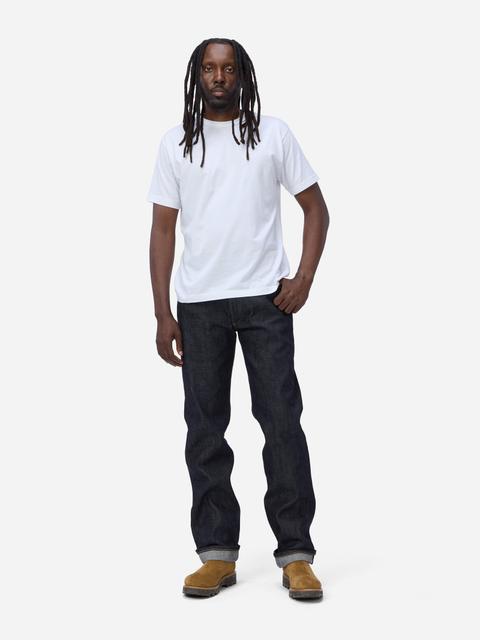
A New York label making selvedge jeans in the US from Japanese mill fabric. Fits run from slim to relaxed straight.
Look at first CS-105x Classic Straight, RS-33x Relaxed Straight, chore jackets
But Jeans cost about $270, and raw denim takes months of wear to look good.
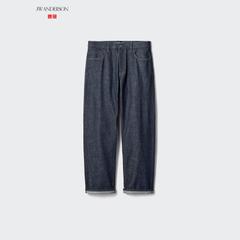
Cheaper way in Selvedge Straight Jeans (Uniqlo) $59.90
Explore 3sixteen →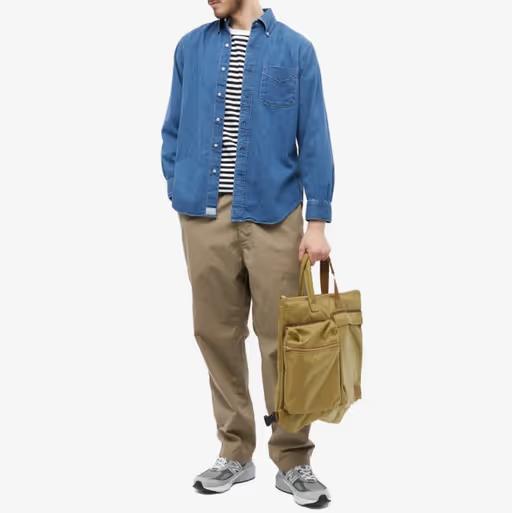 Selvedge
orSlow reproduces mid-century American workwear and military clothing in Japan. The cuts are easier to wear than strict reproductions.
Look at first 105 jeans, French work jacket, fatigue pants
But Japanese sizing runs small, and it is mostly sold through specialist shops.
Cheaper way in OG Loose Fatigue (Olive Sateen 8.5oz) (Stan Ray) $90
Explore orSlow →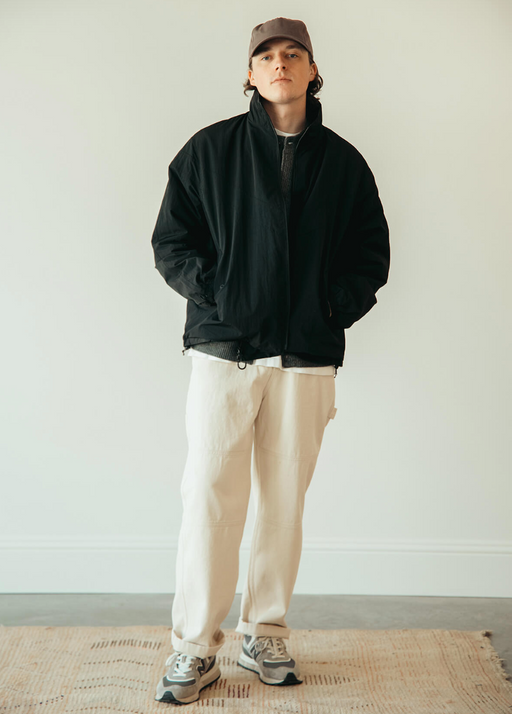 American
An Jong Hyuk founded the South Korean label in 2010, and it is still based in Anyang. Its Vintage Corduroy Fatigue Pants rework the OG-107 military fatigue in 11-wale corduroy, with side tabs to adjust the waist.
Look at first Vintage Corduroy Fatigue Pants, Combine Chore Jacket, Utility Flap Pocket Denim Work Shirt
But It ships from Korea, and its US-dollar prices do not include import duties and taxes.
Explore Frizmworks →