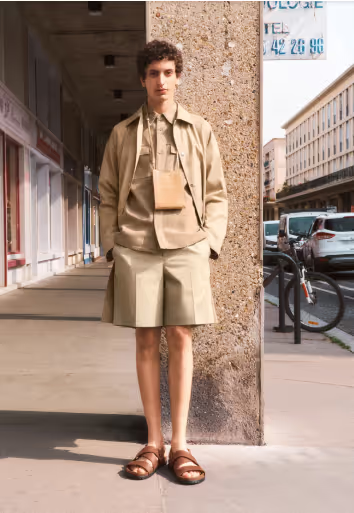
 74% match
A.P.C.
Raw selvedge five-pockets, minimal branding
What changes: French minimalist design over Okayama loom-woven slub texture
 disco
Brand profile
Cult Okayama denim label weaving slubby, low-tension selvedge fabrics on vintage shuttle looms in very limited runs.
4 brands like ONI Denim like A.P.C., Nudie Jeans, Beams Plus →
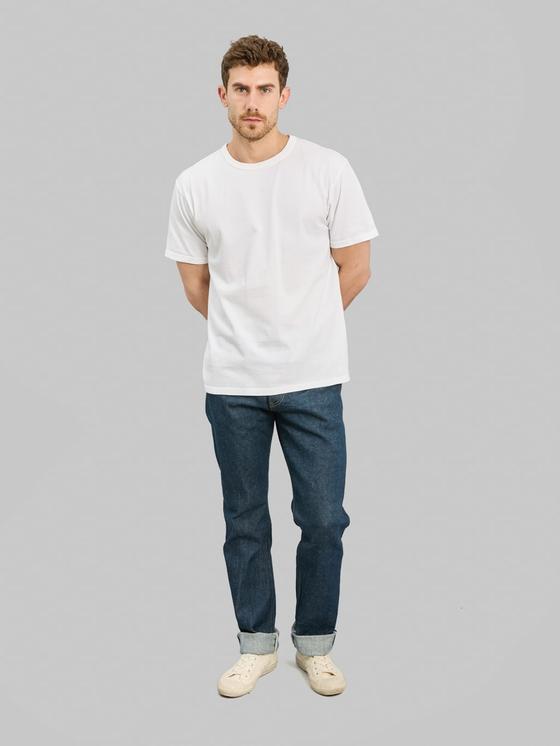
Fabric is woven on vintage shuttle looms at very low tension, which is what produces the slubby, uneven surface ONI is known for.
The unlabelled Secret Denim is the fabric people seek out, alongside stretch, green-cast and lightweight Kiraku versions, usually in the 546 and 517 fits.
Founded by Masao Oishi after Levi's Japan and Canton, the Okayama workshop stays small and sells through a few specialist stores at mid-to-upper hundreds per pair.
 777-BRD "British Drill" Wide Trousers$326
 121S "Ishikawadai Stretch" 15oz Stretch Relax Tapered Jeans$304
 277 "Bumpy Denim" 17oz Just Right Straight Jeans Kusaki$315
 277 "Bumpy Denim" 17oz Just Right Straight Jeans Kuro$315
 288 "Asphalt" 20oz Regular Straight Jeans$321
 03501-SHVCH 13oz "Super Heavy Chambray" Coverall$31574% match
Raw selvedge five-pockets, minimal branding
What changes: French minimalist design over Okayama loom-woven slub texture
 70% match
Denim-first with a repair-and-wear philosophy
What changes: Organic-cotton sustainability focus, not vintage-loom fabric
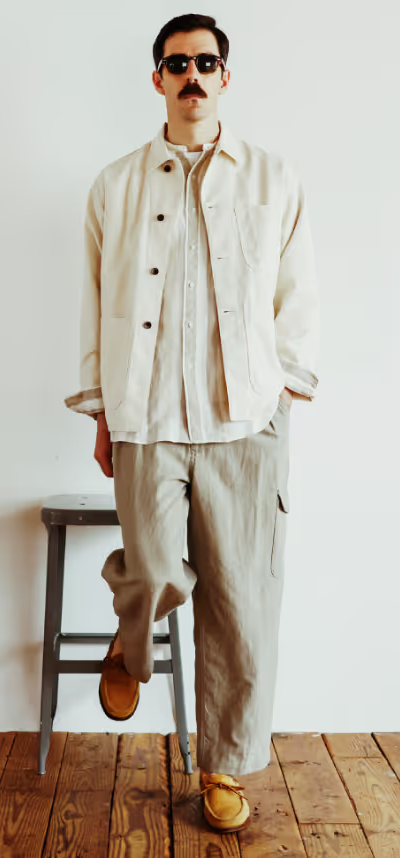 68% match
Japanese take on heritage American workwear
What changes: Full wardrobe and Ivy styling rather than denim specialism
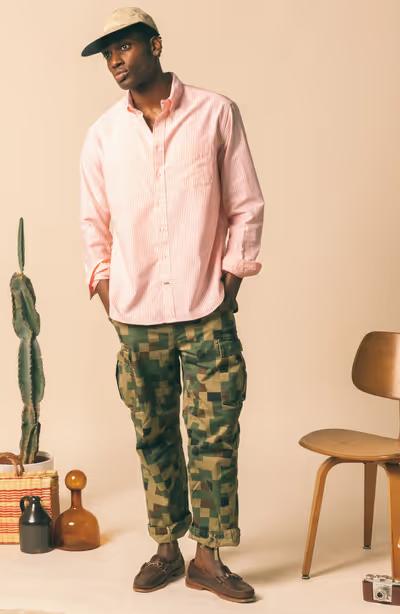 63% match
Archive fabrics, single-category craft obsession
What changes: Shirting only, US mills instead of shuttle-loom denim
ONI Denim is a cult Japanese selvedge denim label based in Okayama, founded by veteran craftsman Masao Oishi after a career that began at Levi's Japan and included the early domestic jeans brand Canton. The brand weaves fabrics on vintage shuttle looms at very low tension, producing the slubby, irregular texture behind its famed "Secret Denim," plus stretch, green-cast and lightweight Kiraku variants. Signature fits include the 546 and 517. Production stays small and largely unadvertised, sold through a handful of specialist retailers worldwide, with jeans typically in the mid-to-upper hundreds of dollars.