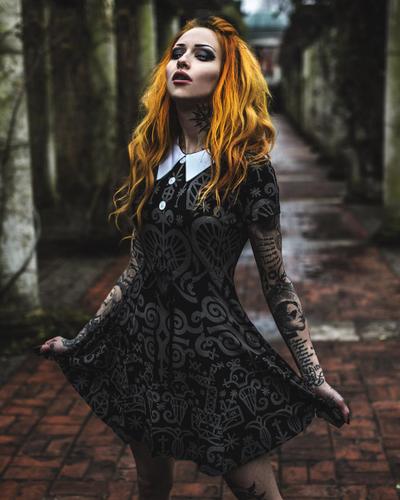
Killstar
Glasgow's Killstar has built the widest gothic range in Britain since 2010, extending past clothing into footwear, homeware and accessories at slightly lower prices.
What changes: Heavier occult branding, larger footwear/homeware assortment
 disco
Brand profile
UK alternative label from Newcastle making goth, grunge and punk-leaning graphic tees, hoodies, dresses and accessories, sold direct-to-consumer worldwide.
14 brands like Disturbia like Killstar, Drop Dead Clothing, Jawbreaker Clothing →
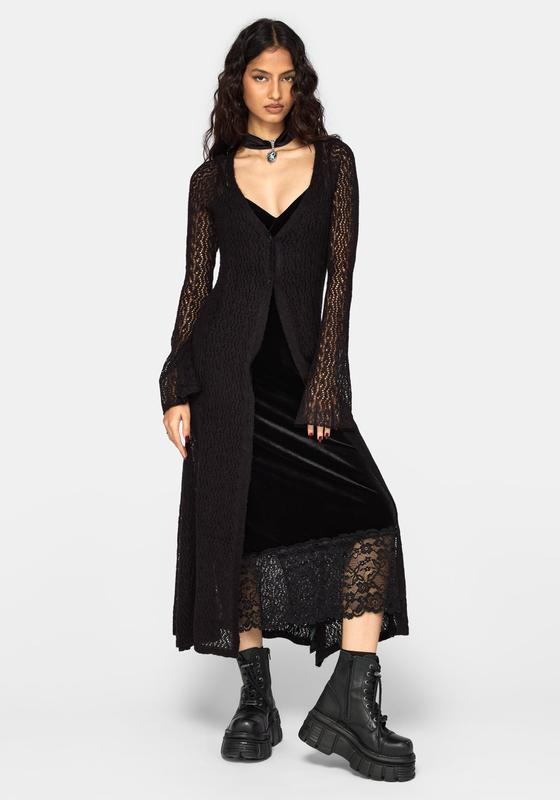
The core is printed tees and hoodies built on goth, grunge and punk references, subverted pop-culture imagery and dark humour rather than plain basics.
Beyond graphics it stocks knitwear, mesh and lace tops, cargos and dresses, with the range aimed mostly at women.
Founded in 2003 by two graduates and run from Newcastle upon Tyne with a London base, it sells mainly through its own channels, with minority investors backing American expansion.
Glasgow's Killstar has built the widest gothic range in Britain since 2010, extending past clothing into footwear, homeware and accessories at slightly lower prices.
What changes: Heavier occult branding, larger footwear/homeware assortment
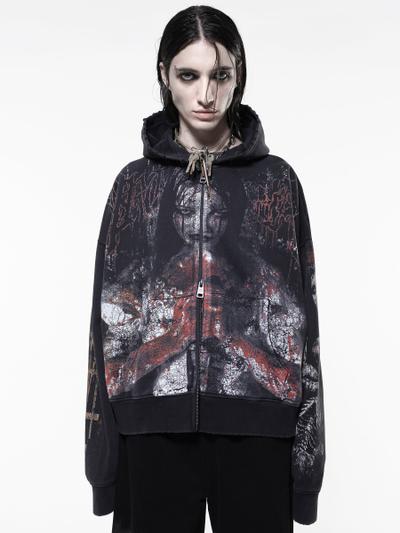
Sheffield alternative streetwear label founded in 2005 by Bring Me The Horizon's Oli Sykes, selling gothic, horror- and anime-inflected graphics direct online.
What changes: More scene/streetwear-led, less womenswear dress focus
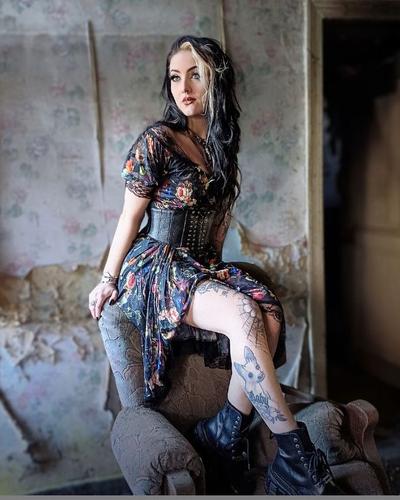
London punk and Victorian-gothic womenswear
What changes: Steampunk/Victorian leaning rather than grunge graphics
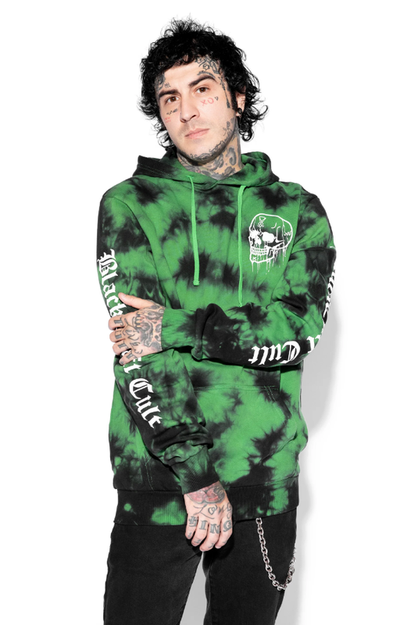
Both brands share a dark and edgy aesthetic that firmly roots them in alternative fashion.
What changes: Unisex tee/hoodie focus, little dresses or lace
Disturbia is an alternative fashion label founded in 2003 by fashion and photography graduates Francis (Frank) Major and Helen Major, operating from Newcastle upon Tyne with a second base in London. It sells graphic tees, hoodies, knitwear, mesh and lace tops, cargos, dresses and accessories rooted in goth, grunge and punk references, subverted pop-culture imagery and dark humour, mostly aimed at women. The business is direct-to-consumer led; Refined Capital Partners holds a minority stake, and US investor Digital Fuel Capital has since taken a minority position to fund American expansion.