

Streetwear brands
Streetwear is a casual fashion aesthetic rooted in youth subcultures like skate, hip-hop, and surf, built around graphic tees, hoodies, sneakers, and limited-release 'drops.' It prioritizes brand identity, logos, and cultural relevance over formal tailoring, and appeals to those who value hype, community, and self-expression through everyday casualwear.
$–$$$$$Price range
120+Brands
1980s →Era
3Tiers
History & origins
Streetwear traces to late-1980s Southern California, where surf and skate culture bred small, independent labels; Shawn Stussy's surfboard-shingle brand Stüssy is widely credited as a founding influence, printing its logo on tees and caps sold through a tight network of shops. Simultaneously, New York's hip-hop scene fused sportswear, workwear, and luxury logos into a distinct urban look, while Japanese brands like A Bathing Ape (Bape), founded by Nigo in 1993, brought bold graphics and a scarcity-driven retail model.
Supreme's 1994 opening in downtown Manhattan cemented the skate-shop-to-cultural-institution pipeline and popularized the limited 'drop' model. Through the 2000s and 2010s streetwear moved from subculture to global industry, with collaborations bridging skate labels, sneaker giants, and high fashion, exemplified by Louis Vuitton x Supreme and the rise of designer-led labels such as 1017 ALYX 9SM and Ambush.
Key sub-genres
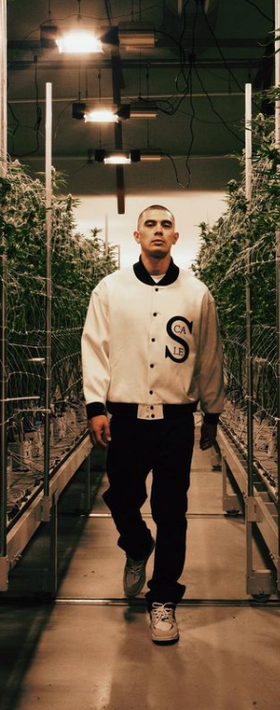
Streetwear spans several overlapping lanes. Skate-rooted streetwear (Supreme, Alltimers, Acapulco Gold, 40s and Shorties) keeps ties to board culture and irreverent graphics. Hip-hop and heritage-graphic labels like 10 Deep and 4Hunnid lean into music and street-art influences, while military-surplus staples from Alpha Industries supply utilitarian layers.
A more elevated, design-forward tier includes Aimé Leon Dore's preppy-nostalgic take, 424's runway-adjacent pieces, and luxury streetwear from 1017 ALYX 9SM and Ambush. Japanese streetwear (Bape, Aape) emphasizes camo motifs and character graphics, and a wave of accessible online-first brands like Aelfric Eden and Adika target younger, trend-driven shoppers.
Brands in this style
The same aesthetic shows up at very different price points and postures. Here's how it breaks down.
What changed since August 2026
5 brands joined this guide since August 2026.
Price
Style
Country
120 brandsIconsThe names that set the template
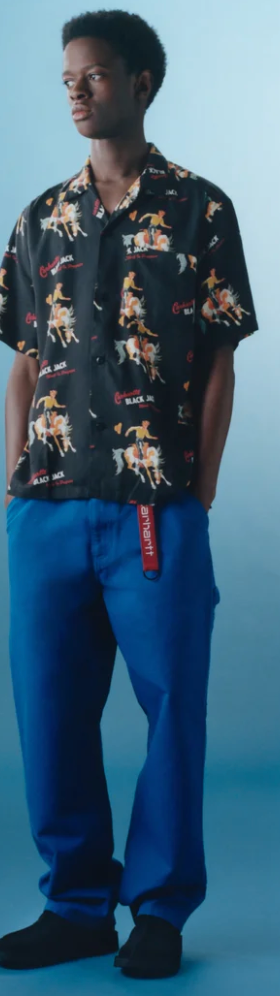
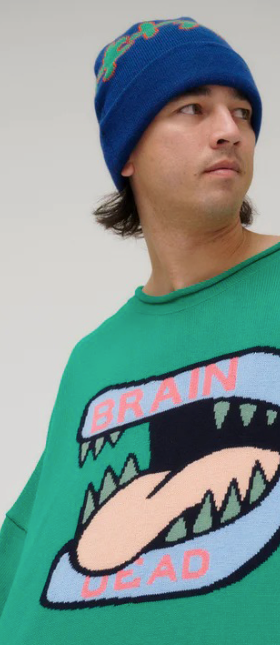
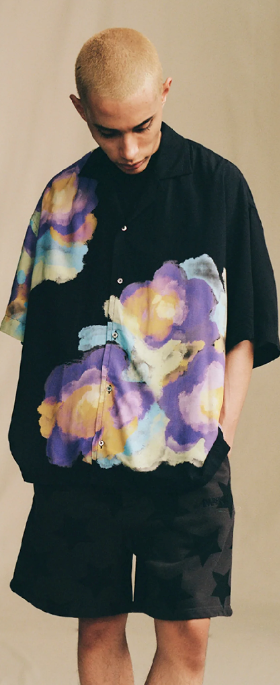
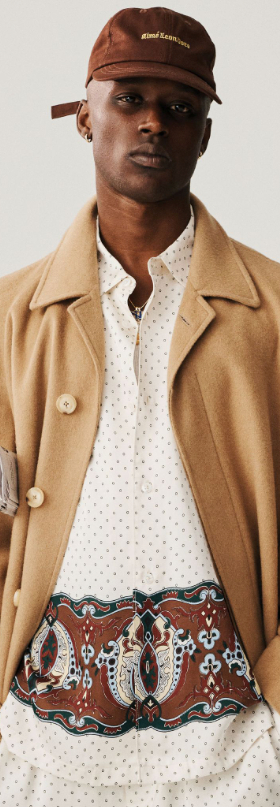
EstablishedProven & widely stocked
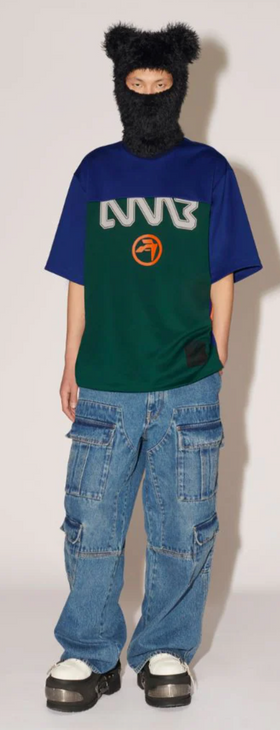
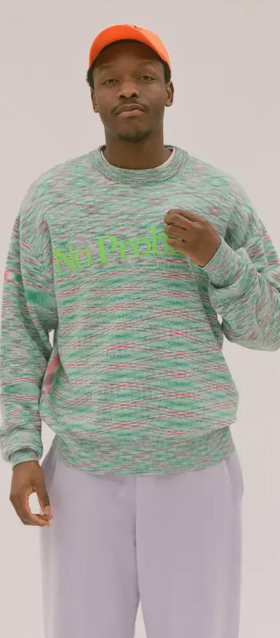
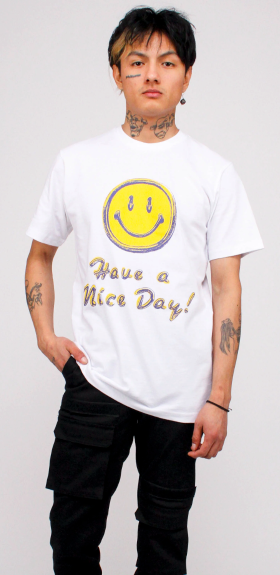
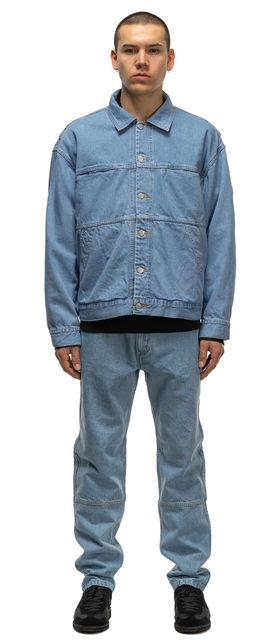

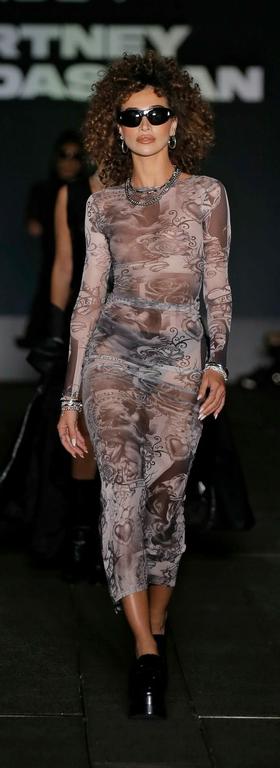
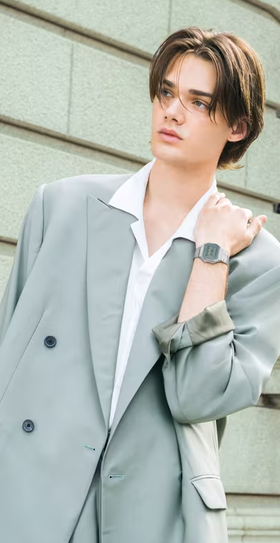
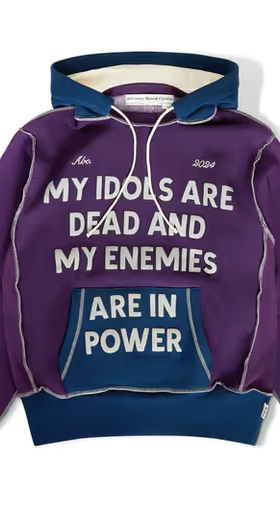
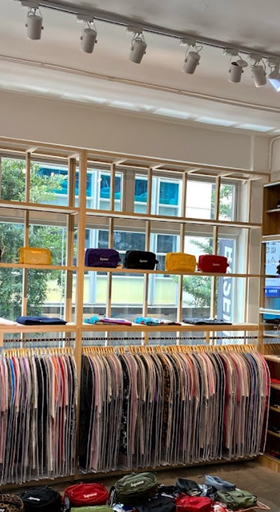

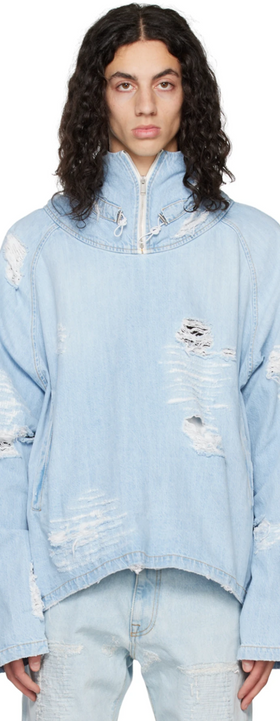
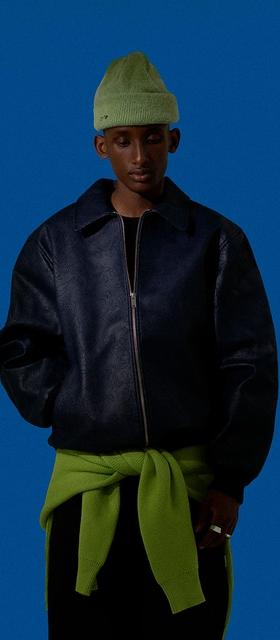
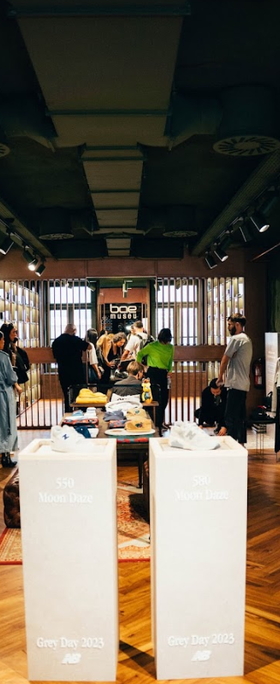
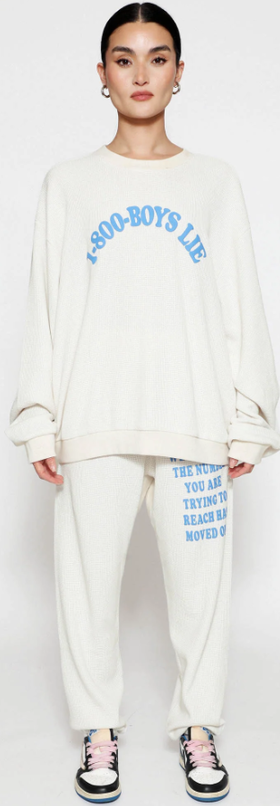
How to wear it
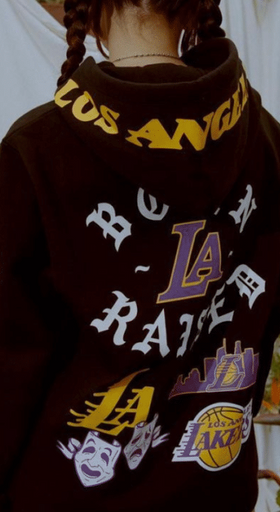
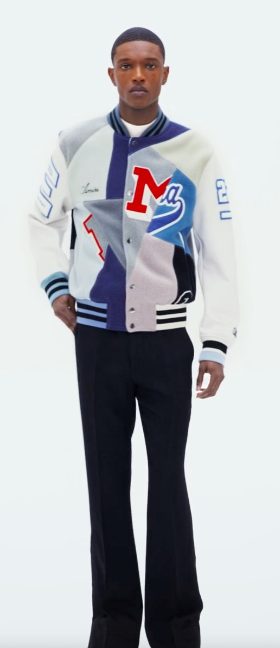
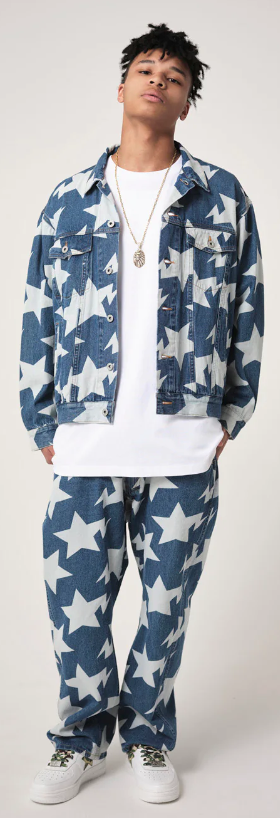
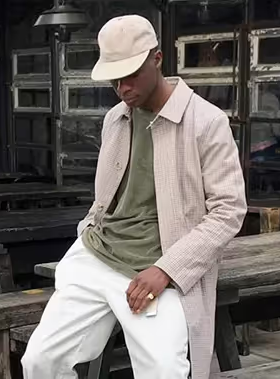
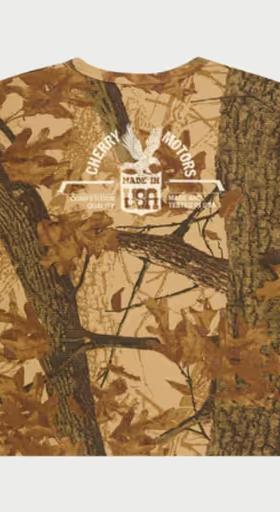
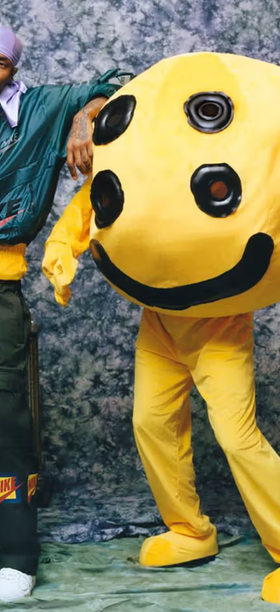
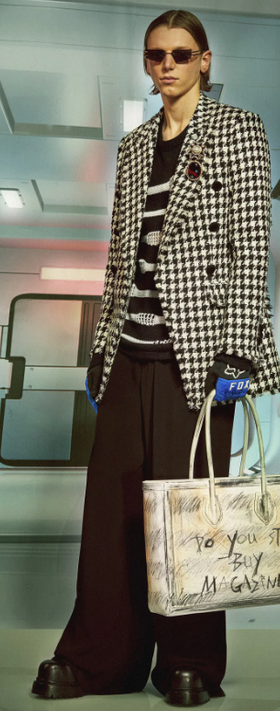
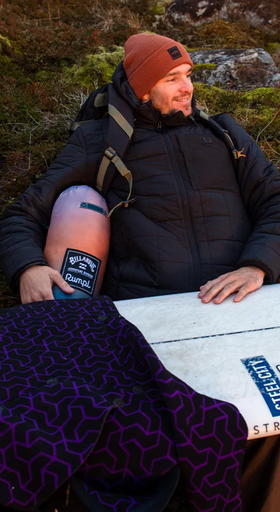
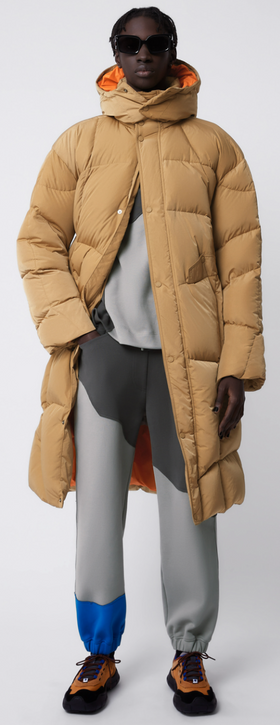
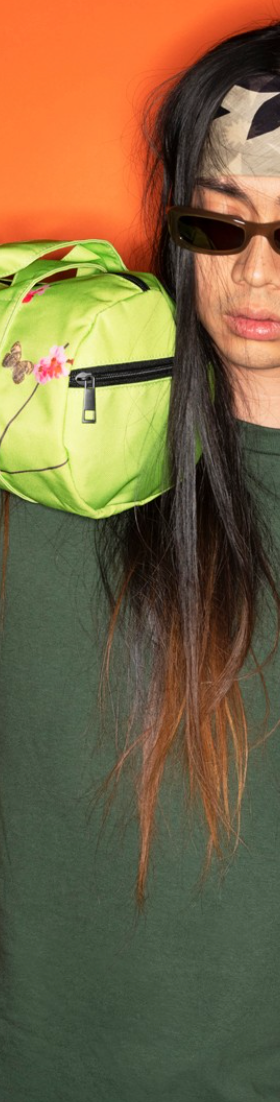
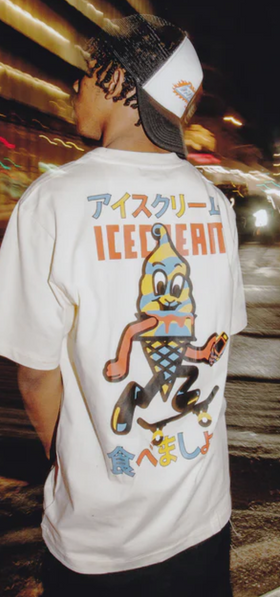
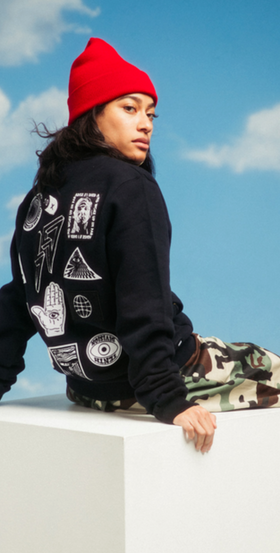
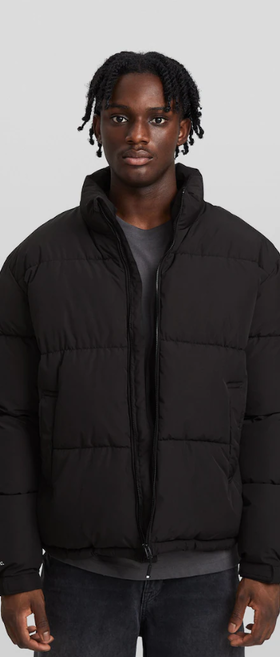
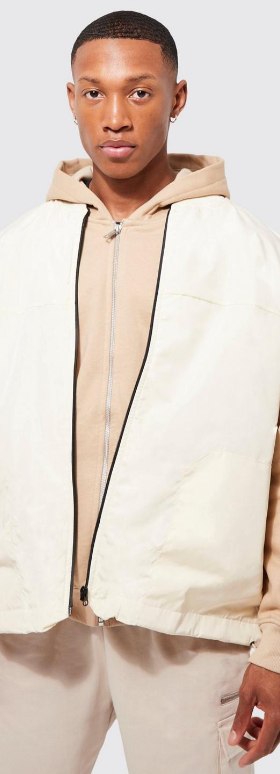
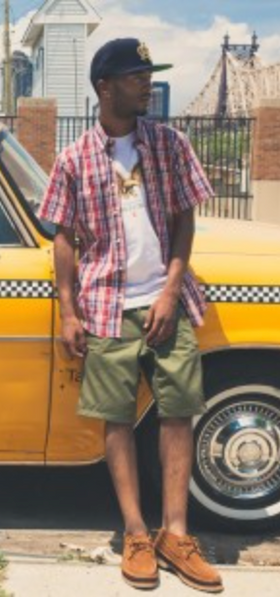
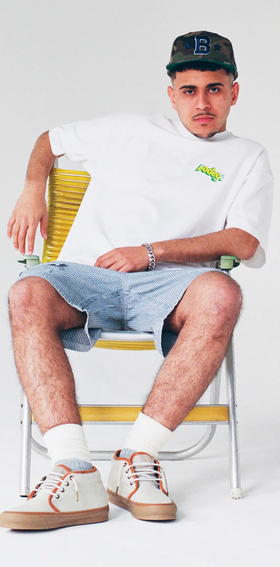
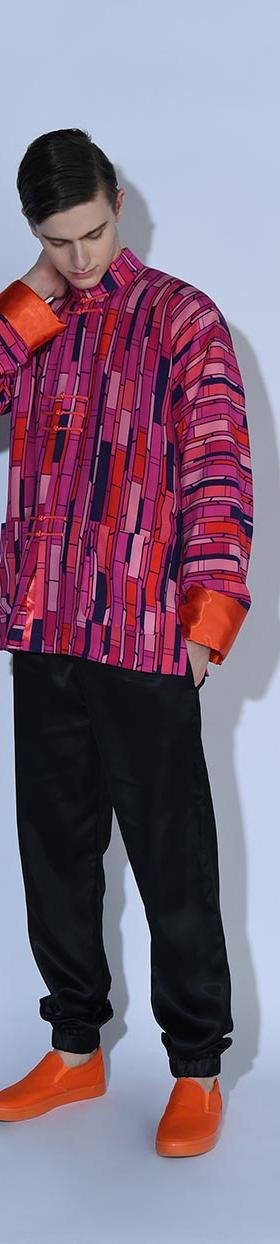
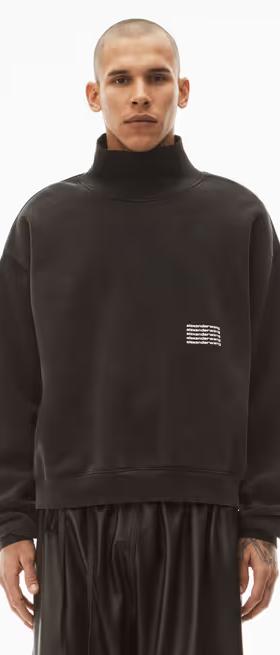
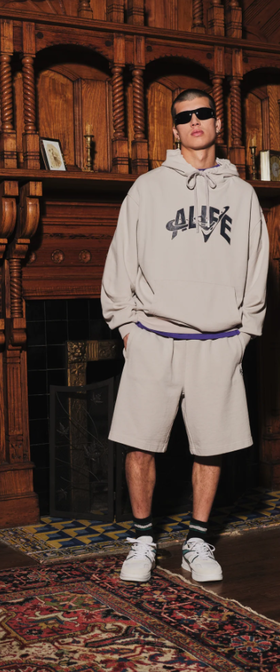
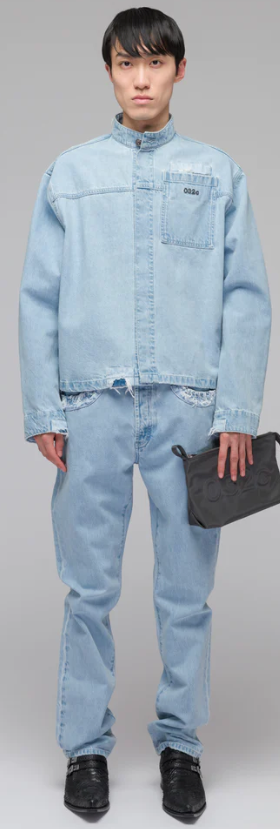
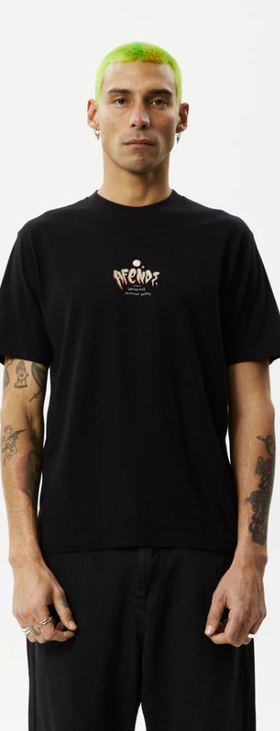
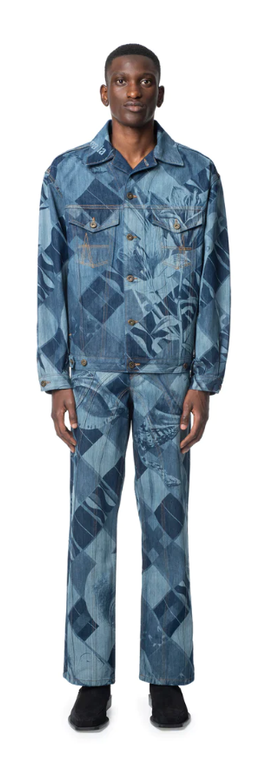
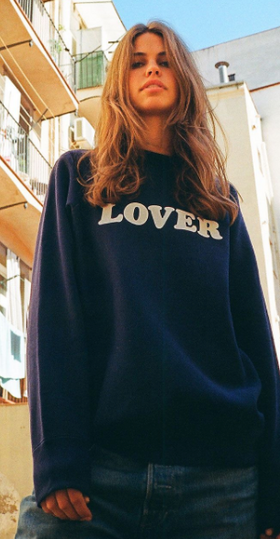
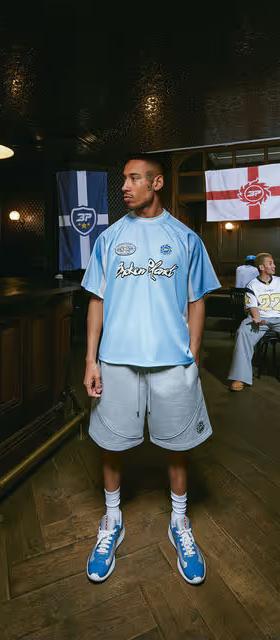
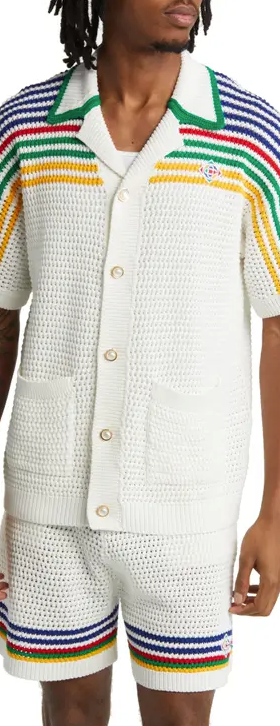
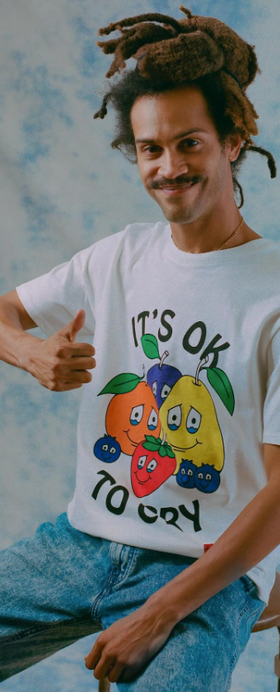
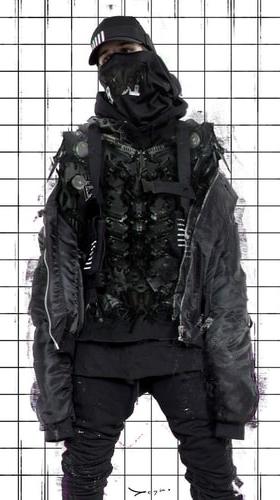
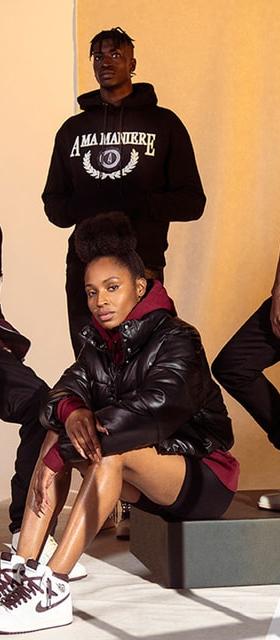
Streetwear styling starts with proportion and a hero piece. A common formula pairs a graphic tee or hoodie with relaxed or slightly cropped pants and a statement sneaker, keeping the palette simple so a logo or print stands out. Layering is key: bombers, coach jackets, work jackets, and puffers add depth, and accessories like caps, beanies, and crossbody bags complete the look.
Balance is what separates considered outfits from cluttered ones—many wearers anchor a loud graphic or hyped item with neutral basics. Sneakers often drive the whole outfit, so silhouette and colorway matter, and fit ranges from the boxy, oversized cuts favored in current streetwear to the slimmer looks of earlier eras.
Essential pieces
Core streetwear staples include the graphic tee, the pullover and zip hoodie, sweatpants and relaxed cargo or work pants, and outerwear such as bomber jackets (Alpha Industries' MA-1 is a genre icon), coach jackets, and puffers. Headwear like snapbacks, dad caps, and beanies is near-universal.
Footwear is the centerpiece, spanning classic silhouettes from Nike, Adidas, New Balance, and Vans to hyped collaborations and designer sneakers. Accessories—crossbody and tote bags, socks, and logo caps—round out a wardrobe, and limited collaboration items often serve as the standout, collectible focal points.
Where to buy
Streetwear is bought through a mix of channels: brand-direct sites and flagship stores (Supreme, Bape, Aimé Leon Dore), curated multi-brand retailers such as END., SSENSE, and Dover Street Market, and skate shops that stock core labels. Many releases sell out at retail, pushing shoppers to resale marketplaces like StockX, GOAT, and Grailed for sold-out drops and archive pieces.
For the brands listed in this style—among them 10 Deep, 424, Alpha Industries, Ambush, and Aape—availability spans their own webstores plus stockists like END., SSENSE, and regional streetwear boutiques. Following brand social accounts and drop calendars is often necessary to buy limited items at retail price before they reach resale.
On sale now
Current markdowns at streetwear retailers, refreshed weekly.
- END.END. | Up to 60% Off60% offShop ↗
- LivestockLivestock | End of Season Sale50% offShop ↗
- END.END. | 20% Off Selected Brands20% offShop ↗
Ranked comparisons
Brands like Black ScaleBrands like chngeBrands like Gallery DeptBrands like Lazy OafBrands like OVOBrands like Teddy FreshBrands like Billionaire Boys ClubBrands like Golden GooseBrands like Opening CeremonyBrands like SaintwoodsBrands like Fear of GodBrands like KenzoBrands like ObeyBrands like Pro ClubBrands like Herschel Supply Co.Brands like BoohooManBrands like CoogiBrands like Elevated FaithBrands like END.Brands like G-SHOCKBrands like The HundredsBrands like MowalolaBrands like RocawearBrands like Wacko MariaBrands like BapeBrands like CASIOBrands like Comfort ColorsBrands like FUBUBrands like Goose & GanderBrands like Heron Preston
Related styles
Sub-genres & deep dives
Go deeper on the sub-styles and edits within streetwear.
Best of Grunge StreetwearRead the guide →The Ultimate Minimalist Streetwear GuideRead the guide →Best Y2K Streetwear BrandsRead the guide →Best Goth Streetwear BrandsRead the guide →Top Streetwear Techwear BrandsRead the guide →Best of Normcore StreetwearRead the guide →The Best Brands of StreetwearRead the guide →
Browse streetwear by theme
Ranked roundups of streetwear by era, scene, place and price — every list hand-checked.
By era
By scene
By place
By price
By values
More streetwear guides
20 Best Streetwear Sweatpant Brands20 brands →Best of ASAP Rocky Streetwear (19 Brands)22 brands →The 10 Best New Zealand Streetwear Brands10 brands →The 10 Best Utility Vest Streetwear Brands10 brands →The 14 Best Streetwear Overalls14 brands →The 15 Best Brands for Fleeces in Streetwear15 brands →The 15 Best Streetwear Blanks15 brands →The 17 Best Streetwear Windbreakers17 brands →The 19 Best Colorful Streetwear Brands19 brands →The 21 Best Elevated Streetwear Brands21 brands →The 21 Best Streetwear Keychains21 brands →The 23 Best Gym Streetwear Brands23 brands →The 24 Best Formal Streetwear Brands24 brands →The 25 Best California Streetwear Brands25 brands →The 26 Best Futuristic Streetwear Brands26 brands →The 6 Best Filipino Streetwear Brands6 brands →The 7 Best Plus-Size Streetwear Brands7 brands →The 7 Best Tennis Streetwear Brands for Men7 brands →The 7 Best Vancouver Streetwear Brands7 brands →The 8 Best Hawaiian Streetwear Brands8 brands →The 8 Best Streetwear Brands for Babies8 brands →The 9 Best Montreal Streetwear Brands9 brands →The 9 Best Oversized Streetwear Brands9 brands →The 9 Best Toronto Streetwear Brands9 brands →The Top 10 Stockholm Streetwear Brands10 brands →The Ultimate Guide to Streetwear1 brands →Top 17 Adam Sandler Streetwear Brands17 brands →
Common questions
What is streetwear?
Streetwear is a casual clothing style born from skate, surf, and hip-hop subcultures, centered on graphic tees, hoodies, sneakers, and hyped limited-edition releases. It blends comfort with brand-driven cultural status.
What brands are streetwear?
Foundational and popular streetwear brands include Supreme, Stüssy, Bape (A Bathing Ape), Aimé Leon Dore, Alpha Industries, 10 Deep, and Ambush, alongside sportswear giants like Nike and Adidas through their collaborations.
How do you dress streetwear?
Build outfits around a graphic tee or hoodie, relaxed pants or shorts, and a standout pair of sneakers. Layer with items like coach jackets or bombers, and let one or two branded or hyped pieces anchor the look.
What is a 'drop' in streetwear?
A drop is a limited, scheduled release of a small quantity of product, a model popularized by Supreme. Scarcity drives demand, resale value, and community hype around each release.
Is streetwear the same as skatewear?
They overlap heavily and share origins, but skatewear is more directly tied to skateboarding function and culture, while streetwear is a broader umbrella spanning hip-hop, high fashion, and general casual style.