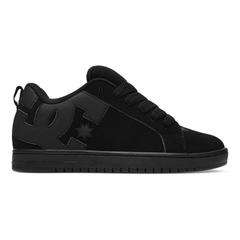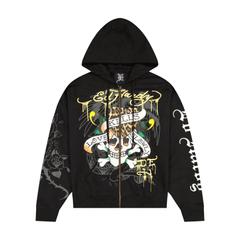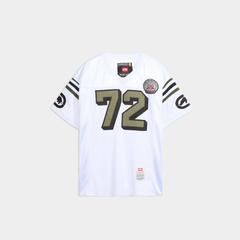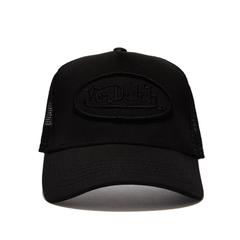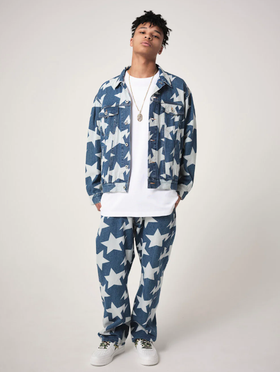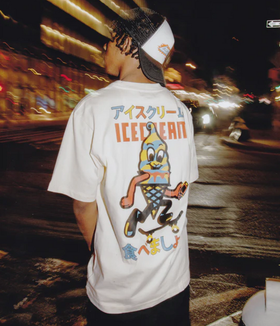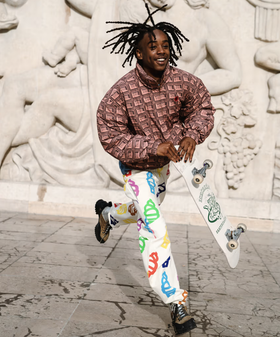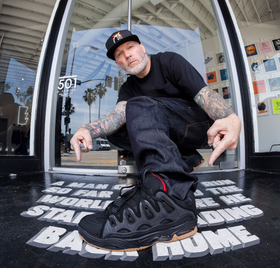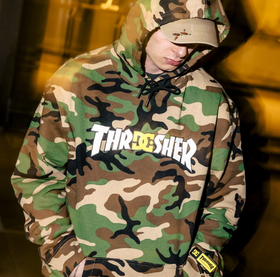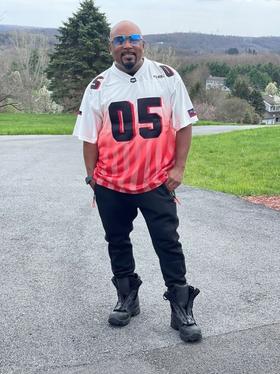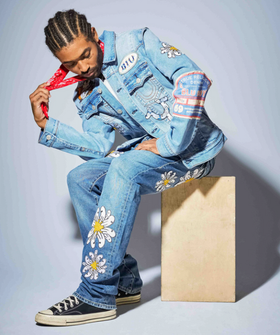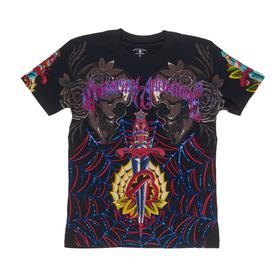
Y2K brands
Y2K is a nostalgia-driven aesthetic revisiting late-1990s and early-2000s fashion, defined by playful, tech-optimistic and often flashy styling. It blends low-rise silhouettes, shiny and metallic fabrics, bright candy colors and logo-heavy pieces into a maximalist, pop-culture-referencing look. It appeals to younger shoppers drawn to millennial nostalgia and bold, expressive dressing.
History & origins
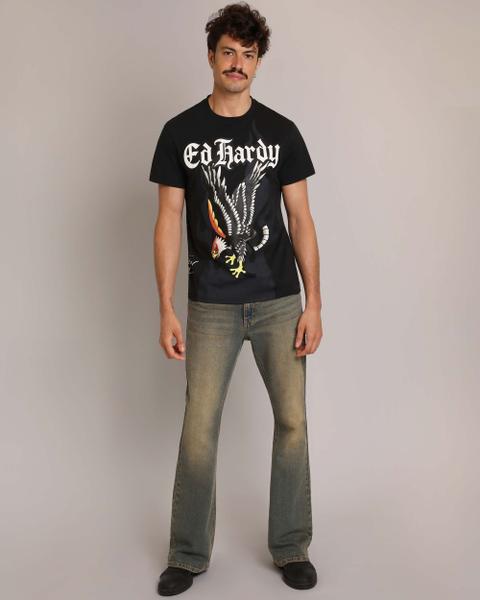
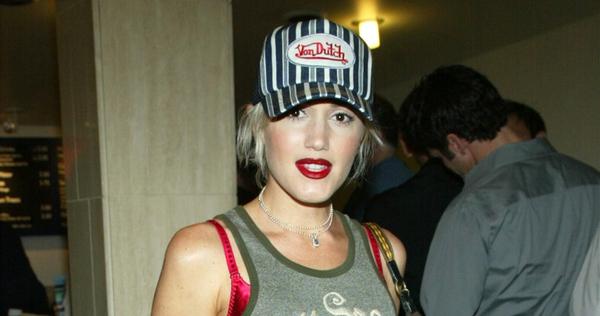
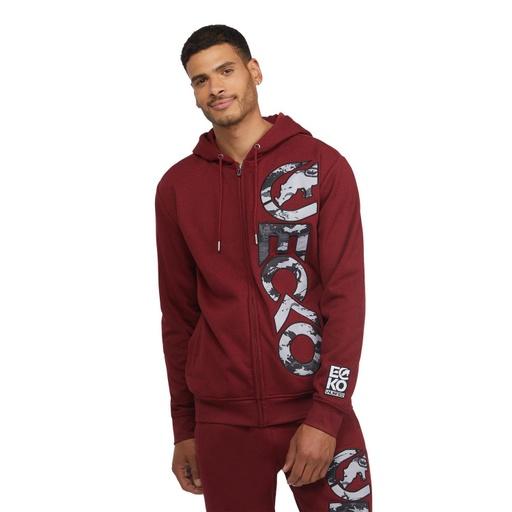
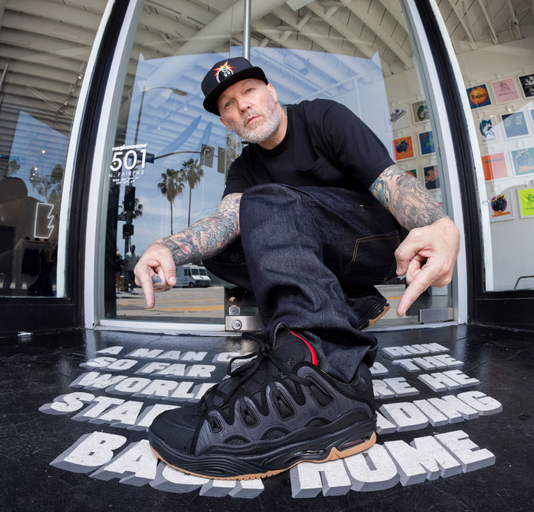
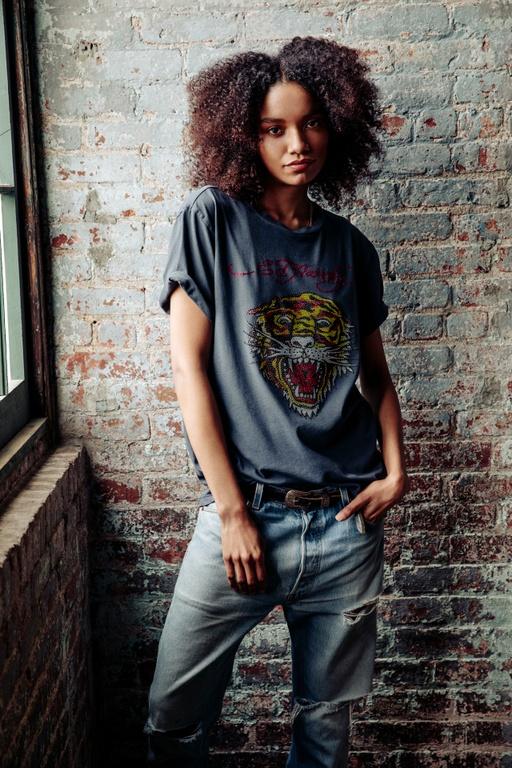
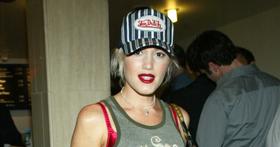
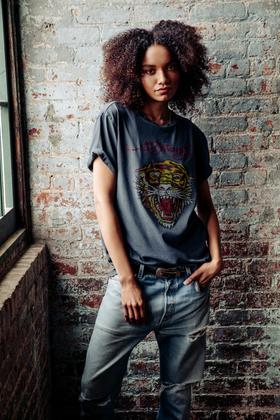
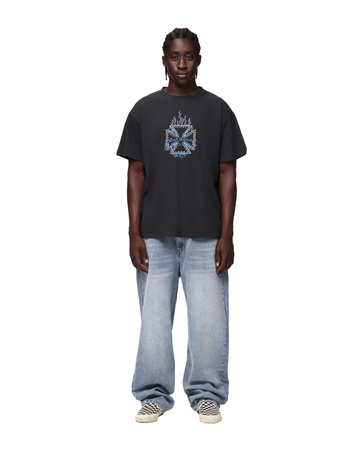
Y2K style takes its name from the 'Year 2000' anxiety and optimism surrounding the millennium, and reflects the futuristic, technology-obsessed mood of the late 1990s and early 2000s. During that period, pop stars, music videos and teen media popularized low-rise denim, velour tracksuits, metallic and mesh fabrics, and glossy, cyber-inspired styling. Labels such as Juicy Couture, Von Dutch, Ed Hardy and Baby Phat, alongside mainstream pop culture, cemented the era's visual language.
The aesthetic was revived in the late 2010s and early 2020s, driven largely by social platforms like TikTok, Instagram and Depop, where younger consumers rediscovered archival pieces and vintage resale. This revival mixed genuine period garments with new interpretations from contemporary brands, turning Y2K into a broad nostalgia movement rather than a single, fixed style.
Key sub-genres
Y2K spans several overlapping strands. 'McBling' emphasizes flashy logos, rhinestones, velour tracksuits and status-signaling accessories drawn from mid-2000s celebrity culture. 'Cyber' or techno-futurist Y2K leans on metallics, holographic and iridescent fabrics, tinted lenses and space-age references, while a softer 'coquette' or pastel strand favors baby tees, mini skirts and girly, candy-colored styling.
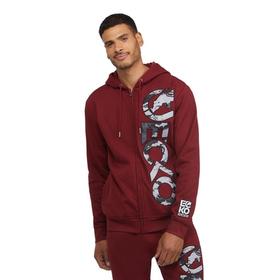
Japanese street subcultures also intersect with the look, with decora and sweet-lolita influences seen in labels like 6%DOKIDOKI and Angelic Pretty, whose bright layering and playful accessories complement the maximalist Y2K mood. Sportier interpretations borrow from early-2000s athleisure and logomania, overlapping with tracksuit and branded activewear trends.
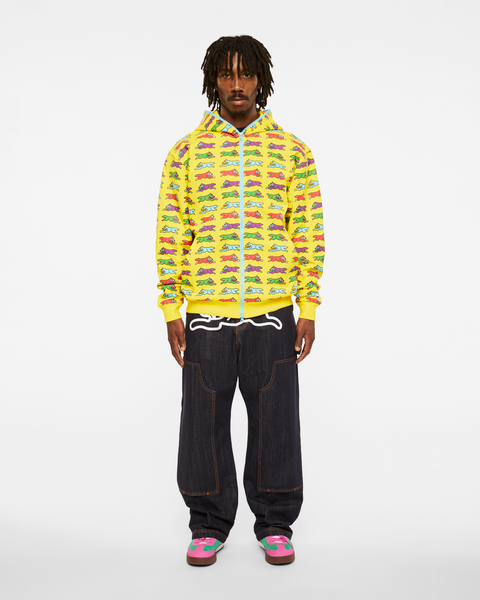
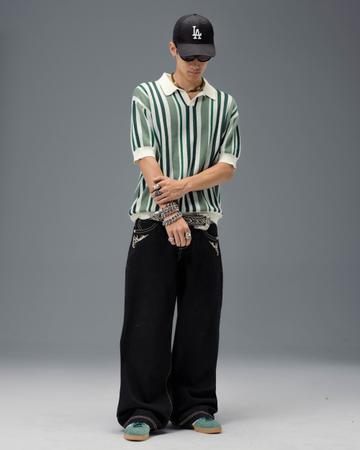
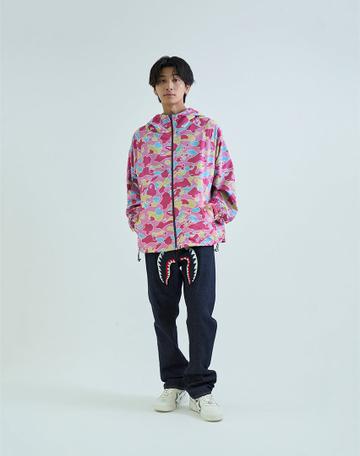
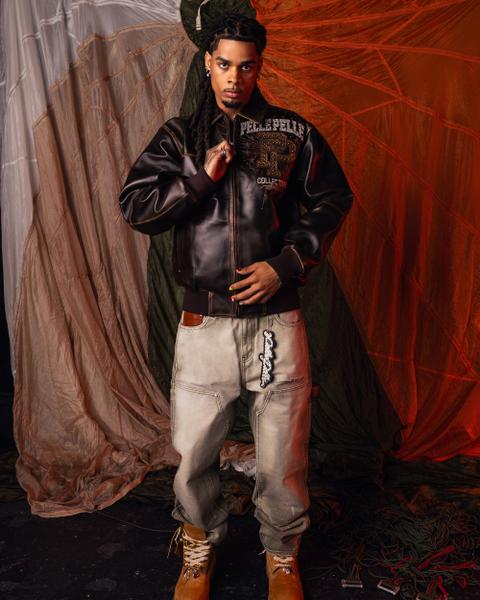
The same aesthetic shows up at very different price points and postures. Here's how it breaks down.
How to wear it
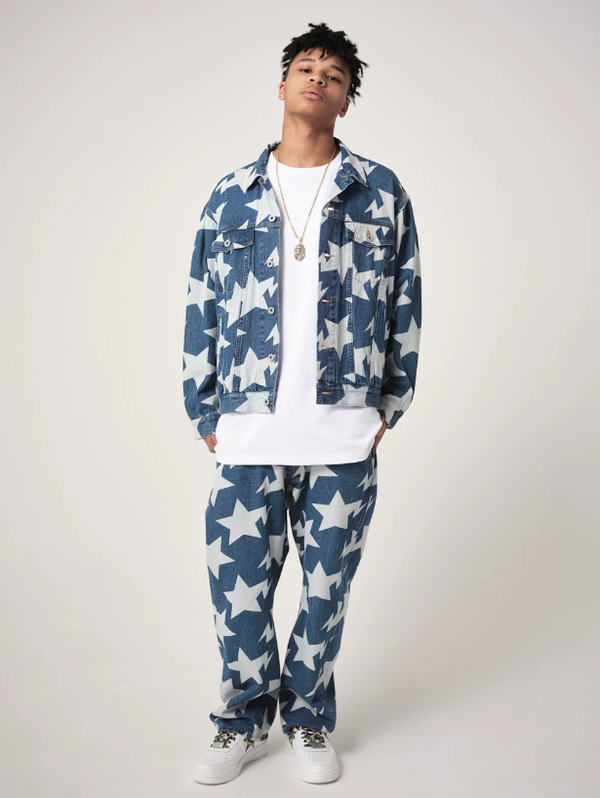
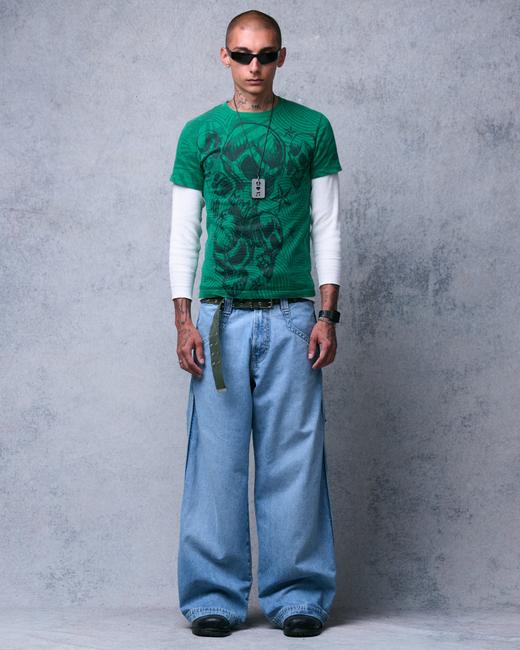
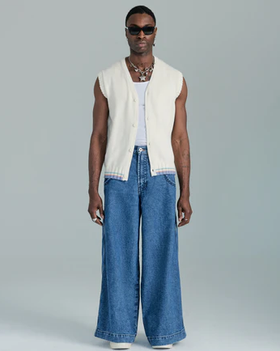
Start with a defining silhouette such as low-rise jeans, a denim mini or a velour tracksuit, then pair it with a fitted baby tee, halter or cropped top. Add era-specific accessories: tinted or rimless sunglasses, small shoulder bags, chunky belts, layered beaded jewelry and platform or pointed shoes. Bright candy colors, pastels, metallics and visible logos push the look toward its maximalist roots.
Contemporary styling often tempers the era's excess by mixing one or two statement Y2K pieces with simpler modern basics, keeping the outfit wearable. Because the aesthetic is inherently playful, rhinestones, butterflies, graphic prints and shiny textures are encouraged rather than avoided.
Essential pieces
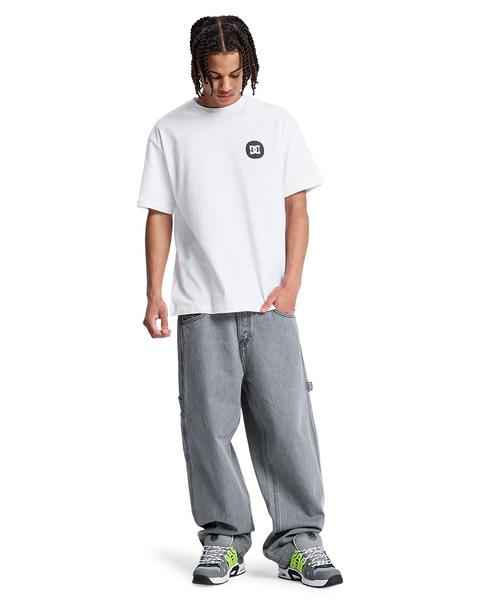
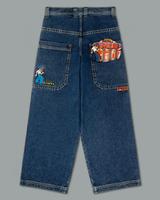
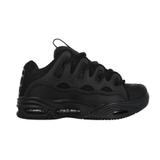
Core garments include low-rise bootcut or flared jeans, denim and cargo mini skirts, baby tees and cropped logo tops, velour zip tracksuits, halter and asymmetrical tops, and metallic or mesh party pieces. Footwear leans toward platform sneakers, chunky sandals and pointed heeled boots.
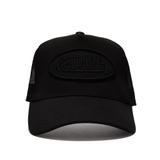
Accessories carry much of the look: small handbags and baguette bags, tinted or futuristic sunglasses from makers like CHIMI, rhinestone and beaded jewelry, trucker caps and studded belts. Playful footwear and statement bags — including whimsical designs in the vein of Charlotte Olympia and Anya Hindmarch — reinforce the era's decorative, pop-culture spirit.
Where to buy
Because the aesthetic is rooted in nostalgia, secondhand and resale platforms such as Depop, Vinted and eBay are primary sources for authentic period pieces from brands like Juicy Couture and Von Dutch. Vintage shops and archival sellers also supply original early-2000s garments.
For new production, contemporary labels channel the look at various price points: Alice McCall, Alice and Olivia and Baum und Pferdgarten for playful ready-to-wear, Beach Riot for swim and sporty pieces, BEA BONGIASCA for colorful jewelry, and 6%DOKIDOKI and Angelic Pretty for Japanese street and lolita crossovers. Accessory labels such as Charlotte Olympia, Anya Hindmarch and CHIMI round out the maximalist styling.
Go deeper on the sub-styles and edits within y2k.
What is Y2K fashion?
Y2K fashion is a revival aesthetic based on late-1990s and early-2000s trends, characterized by low-rise cuts, shiny fabrics, bright colors and logo-driven, tech-optimistic styling. The term references the 'Year 2000' and the era's pop culture.
What brands are Y2K?
Brands and labels associated with the look include Alice McCall, Alice and Olivia, Beach Riot, BEA BONGIASCA, Charlotte Olympia and playful Japanese labels like 6%DOKIDOKI and Angelic Pretty. Vintage pieces from Juicy Couture, Von Dutch and Ed Hardy are also central to the aesthetic.
How do you dress Y2K?
Combine low-rise jeans or mini skirts with baby tees, crop tops or velour tracksuits, then add metallic accents, tinted sunglasses, chunky accessories and platform shoes. Lean into bright colors, rhinestones and bold logos.
Is Y2K the same as early 2000s fashion?
Y2K draws directly from early-2000s fashion but is a curated, exaggerated revival rather than a literal reproduction. It cherry-picks the era's most recognizable elements and mixes them with contemporary silhouettes.