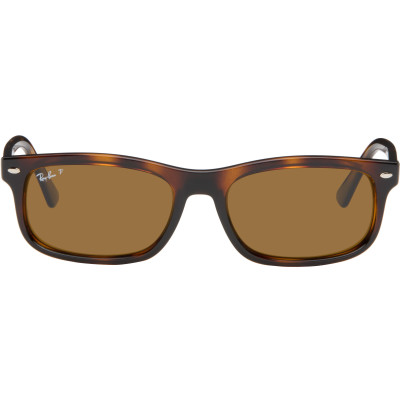
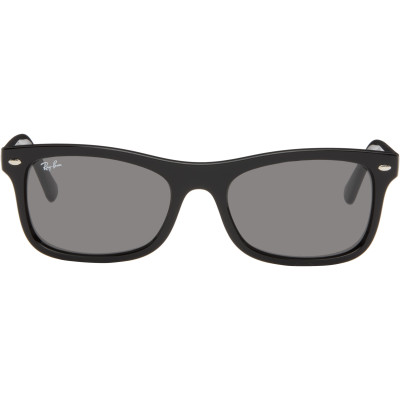
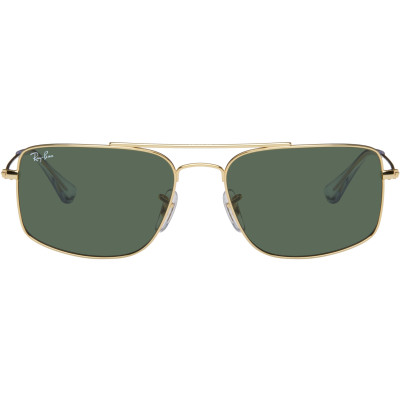
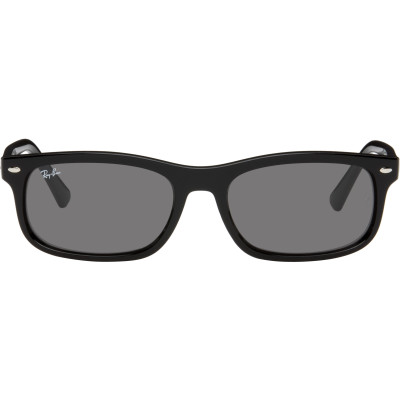
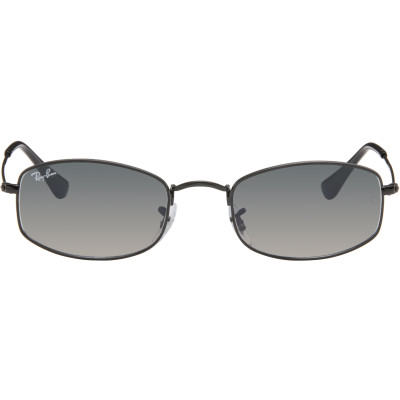
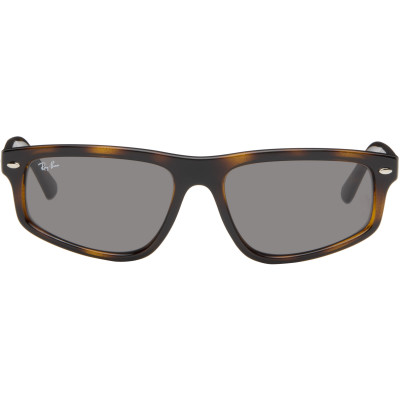
 80% match
Moscot
Heritage acetate frames, hand-finished and independent
What changes: Small family workshop pricing and no tech/smart-glasses arm
 disco
discoBrand profile
American eyewear house founded in 1937, now owned by EssilorLuxottica, known for Aviator and Wayfarer sunglasses and Meta AI smart glasses.

Aviator, Wayfarer and Clubmaster in acetate and metal are the core; the Aviator began as anti-glare lenses built for US Army Air Corps pilots in 1937.
Bausch & Lomb of Rochester sold the brand to Luxottica for a reported $1.2 billion in 1999, and it now sits inside EssilorLuxottica.
A partnership with Meta puts cameras and AI into the familiar frames, including second-generation Ray-Ban Meta and Meta Ray-Ban Display in 2025.
Overall fit
runs large
Ray-Ban is an eyewear brand rather than a clothing label, and the recurring community view is that its signature frames — especially the original Wayfarer and the 58mm Aviator — read large and wide on average faces, so many buyers choose the smaller size code of the same model.
Tip: Check the millimetre code inside the temple and drop one size from the headline version — most people are better in the 50-52mm Wayfarer and the 55mm Aviator rather than the 54mm/58mm defaults.
Medium confidence · based on 12 sources
Directional fit consensus summarized from public sources with AI — a starting point, not a guarantee. Confirm with the product's own measurements before buying.
80% matchHeritage acetate frames, hand-finished and independent
What changes: Small family workshop pricing and no tech/smart-glasses arm
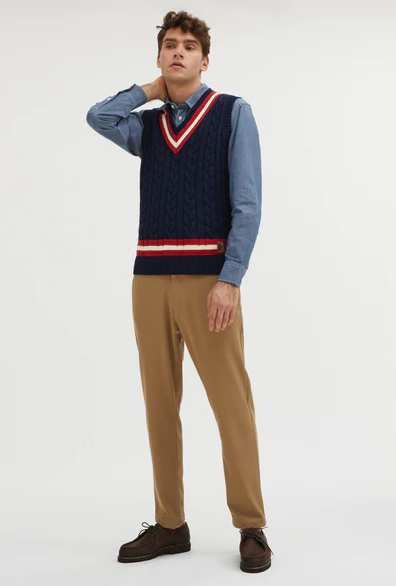 74% match
Same 1937 vintage, one icon shape, Italian-owned now
What changes: Outerwear rather than eyewear; narrower product focus
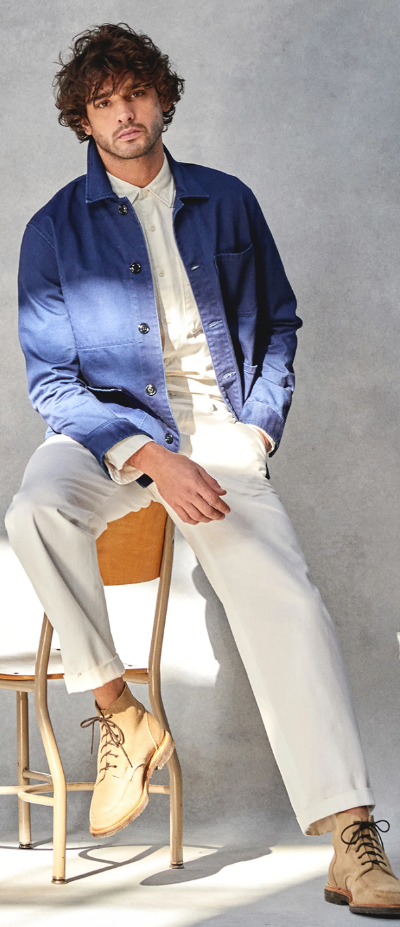 68% match
American classics reworked for a wide mainstream audience
What changes: Full apparel range, seasonal collections, no single icon
 66% match
Ivy and military archetypes rebuilt with Japanese precision
What changes: Higher price, hard-to-find distribution, apparel-led
Ray Ban runs large. Check the millimetre code inside the temple and drop one size from the headline version — most people are better in the 50-52mm Wayfarer and the 55mm Aviator rather than the 54mm/58mm defaults. Ray-Ban is an eyewear brand rather than a clothing label, and the recurring community view is that its signature frames — especially the original Wayfarer and the 58mm Aviator — read large and wide on average faces, so many buyers choose the smaller size code of the same model.
Ray-Ban is an eyewear brand rather than a clothing label, and the recurring community view is that its signature frames — especially the original Wayfarer and the 58mm Aviator — read large and wide on average faces, so many buyers choose the smaller size code of the same model. Overall shape: classic wide-front frames with fairly flat, straight temples; acetate models (Wayfarer, Clubmaster) sit broad across the face while metal Aviators sit lower on the cheeks.
Ray-Ban makes sunglasses and optical frames, created in 1937 when Rochester's Bausch & Lomb developed anti-glare lenses for US Army Air Corps pilots. Bausch & Lomb sold the brand to Italy's Luxottica for a reported $1.2 billion in 1999, and it now sits within EssilorLuxottica. The line centres on Aviator, Wayfarer and Clubmaster shapes in acetate and metal. With Meta it also builds camera-and-AI smart glasses, including second-generation Ray-Ban Meta and Meta Ray-Ban Display, launched in 2025 alongside strong reported AI-glasses sales.