
Five-Pocket Jeans (105 / 107)
orSlow's 105 standard and 107 slim five-pocket cuts, sewn on vintage machinery in small Japanese runs, are the backbone of the label.
1 live now · from $239
Explore five-pocket jeans → disco
discoBrand profile
Japanese label founded in 2005 that reproduces mid-century American workwear and military clothing in small-run selvedge denim and natural fabrics.
26 brands like orSlow like Engineered Garments, Beams Plus, Universal Works →
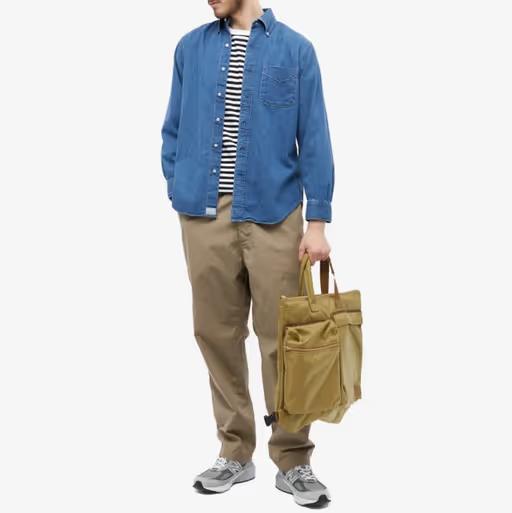


The line reinterprets 1950s US workwear and military patterns — 105 and 107 five-pocket jeans, Army fatigue pants, chambray shirting and field jackets.
Founder Ichiro Nakatsu is a pattern maker, and fit is the through-line: the same jean comes in standard 105 and slim 107 cuts.
Garments are made in short runs at Japanese factories using vintage machines, loom-woven selvedge denim and natural fabrics meant to fade with wear.
orSlow's 105 standard and 107 slim five-pocket cuts, sewn on vintage machinery in small Japanese runs, are the backbone of the label.
1 live now · from $239
Explore five-pocket jeans →
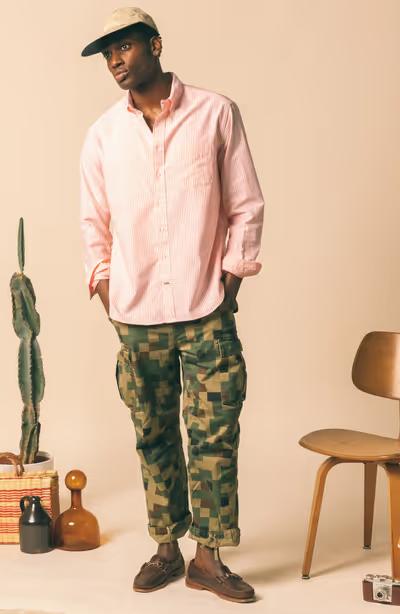
Faithful reproductions of mid-century US Army fatigue pants and shorts define orSlow's military-archive side.
1 live now · from $133
Explore Army fatigues →Available atBrooklyn Tailors · DeeCee style
Overall fit
runs small
Shoppers consistently report that orSlow's numeric sizing runs a size smaller than US labelling, so most people end up one size above their usual, even though the garments themselves are cut with roomy mid-century proportions.
Tip: Treat the numeric tags as Japanese sizing and size up one from your usual US size on tops and outerwear (size 3 ≈ US M/L), while buying jeans to the tagged waist measurement rather than the number.
Medium confidence · based on 14 sources
By category
| Category | Runs | Shape | Size advice |
|---|---|---|---|
| Shirts & overshirts | runs small | regular to slightly boxy vintage workshirt cut with a fairly straight body | Most wearers take one size up from their normal (size 3 for a typical medium), and size 4 if you want a genuinely relaxed drape. |
| Trousers & pants | runs small | military-derived fatigue and utility cuts that are relaxed and high-rise through the seat and thigh | Size up one from your usual numeric expectation for the waist, but don't expect a slim leg — these are meant to sit loose. |
| Jeans & denim | runs small | 105 is a straight, roomy standard fit with a high-ish rise; 107 is noticeably slimmer and tapered; 1950s cut sits between with more thigh room | Go by the tagged waist measurement and expect to take one number above your usual US waist; most report one-wash pairs give up very little after washing while raw pairs relax about an inch in the waist. |
| Jackets | runs small | boxy, straight military and chore silhouettes with room in the chest but narrow-ish shoulders | Size up at least one for layering over a knit or sweatshirt, especially if you have broader shoulders. |
| T-shirts & graphic tees | slightly small | boxy with a wide-ish neck and set-in vintage proportions | Size up if you want anything other than a close vintage fit, and allow for a little shrinkage in the length. |
Directional fit consensus summarized from public sources with AI — a starting point, not a guarantee. Confirm with the product's own measurements before buying.
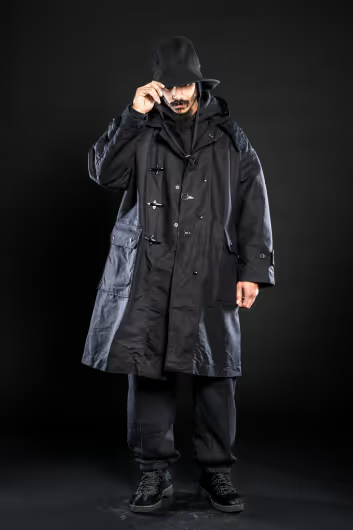 88% match
Same military/workwear pattern archive, looser volumes
What changes: More conceptual mixed-fabric styling, less denim focus
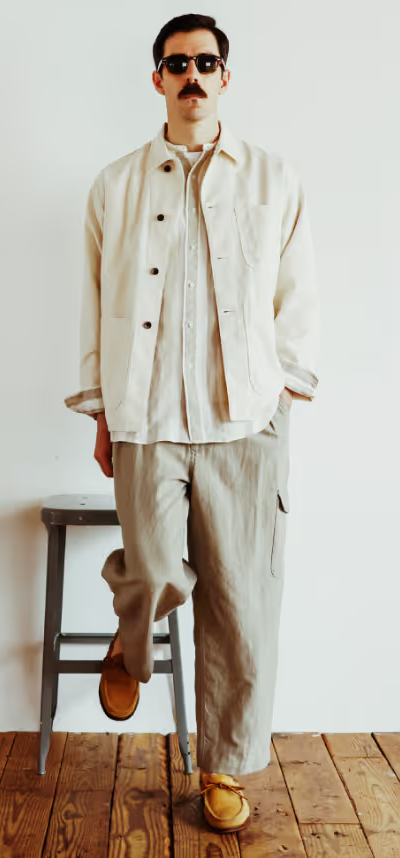 82% match
Japanese-made Americana with Ivy leanings
What changes: Broader preppy/sportswear range, less repro-strict
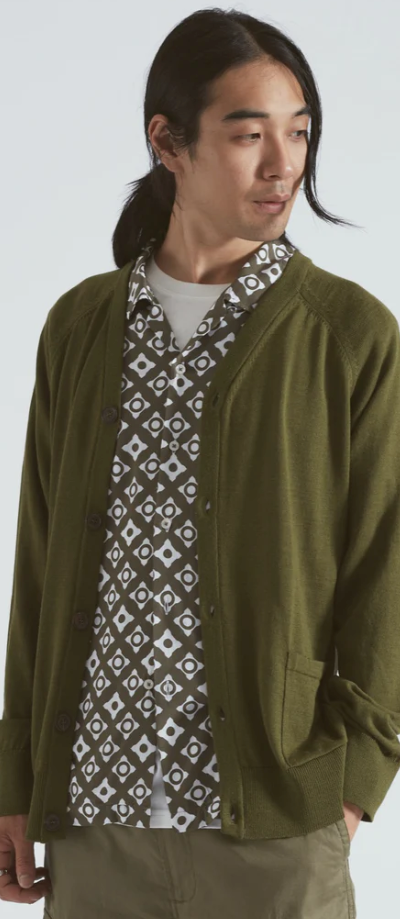 72% match
British mid-century workwear, more relaxed and cheaper
What changes: UK sources and fabrics, less vintage-machinery construction
 68% match
Archive shirting cut in the maker's own factory
What changes: Shirts only, no denim or outerwear
orSlow runs small. Treat the numeric tags as Japanese sizing and size up one from your usual US size on tops and outerwear (size 3 ≈ US M/L), while buying jeans to the tagged waist measurement rather than the number. Shoppers consistently report that orSlow's numeric sizing runs a size smaller than US labelling, so most people end up one size above their usual, even though the garments themselves are cut with roomy mid-century proportions.
Shoppers consistently report that orSlow's numeric sizing runs a size smaller than US labelling, so most people end up one size above their usual, even though the garments themselves are cut with roomy mid-century proportions. Overall shape: mostly relaxed and vintage-cut through the body, but drafted on Japanese numeric sizing that measures smaller than US/EU equivalents.
orSlow shirts & overshirts runs small. Most wearers take one size up from their normal (size 3 for a typical medium), and size 4 if you want a genuinely relaxed drape. Shape: regular to slightly boxy vintage workshirt cut with a fairly straight body.
orSlow trousers & pants runs small. Size up one from your usual numeric expectation for the waist, but don't expect a slim leg — these are meant to sit loose. Shape: military-derived fatigue and utility cuts that are relaxed and high-rise through the seat and thigh.
orSlow jeans & denim runs small. Go by the tagged waist measurement and expect to take one number above your usual US waist; most report one-wash pairs give up very little after washing while raw pairs relax about an inch in the waist. Shape: 105 is a straight, roomy standard fit with a high-ish rise; 107 is noticeably slimmer and tapered; 1950s cut sits between with more thigh room.
orSlow is a Japanese label founded in 2005 by pattern maker Ichiro Nakatsu, whose name pairs "original" with a deliberately "slow" way of making clothes. The collection reproduces and reinterprets mid-century American workwear and military garments: 105 standard-fit and 107 slim five-pocket jeans, 1950s-cut selvedge denim, US Army fatigue pants, chambray and cotton shirting, and field-jacket style outerwear. Garments are cut in small runs at Japanese factories on vintage machinery, using loom-woven selvedge denim and natural fabrics that fade with wear. Distribution runs through specialist menswear retailers worldwide.