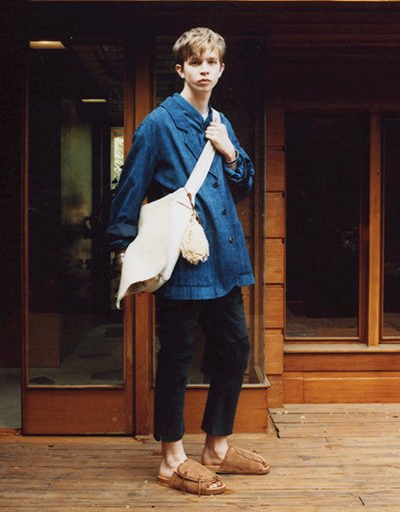
 #1
#1visvim
Hiroki Nakamura's Tokyo label applies heritage craft and natural dyes to Americana-rooted "future vintage" clothing and footwear such as the FBT moccasin-sneaker.
 disco#1
Hiroki Nakamura's Tokyo label applies heritage craft and natural dyes to Americana-rooted "future vintage" clothing and footwear such as the FBT moccasin-sneaker.
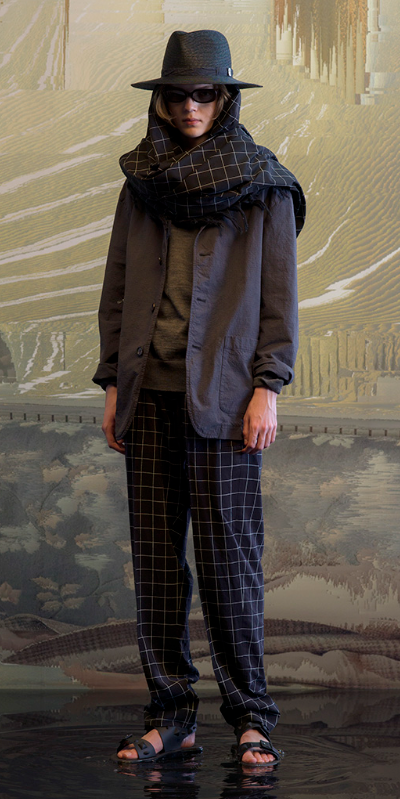 #2
#2Jun Takahashi's Tokyo label, founded 1993, mixing punk, horror and art references with deconstructed tailoring in Paris-shown menswear and womenswear.
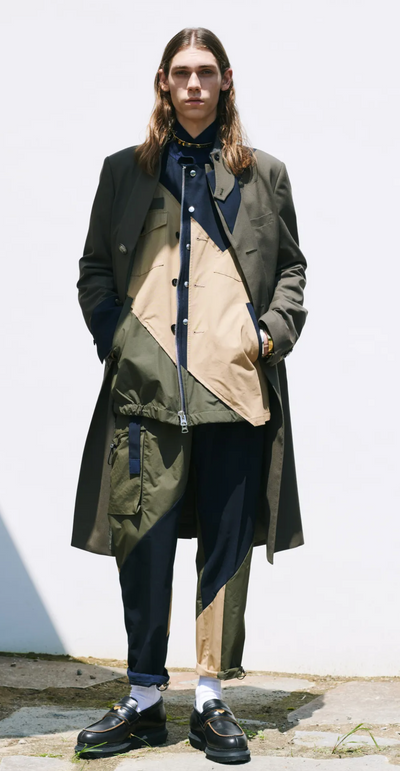 #3
#3Tokyo label by Chitose Abe that hybridizes contrasting fabrics and garment archetypes into spliced tailoring, knitwear and outerwear.
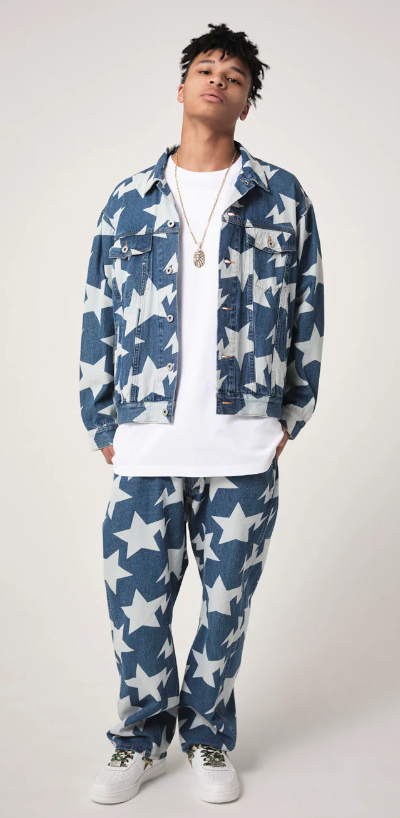 #4
#4Japanese streetwear label founded by Nigo in 1993, known for Ape Head logos, 1ST CAMO, Shark hoodies, Baby Milo and BAPESTA sneakers.
The weekly disco
Like these brands? Keep discovering.
One email a week — new brands worth knowing and the markdowns actually worth clicking.
Free · One email a week
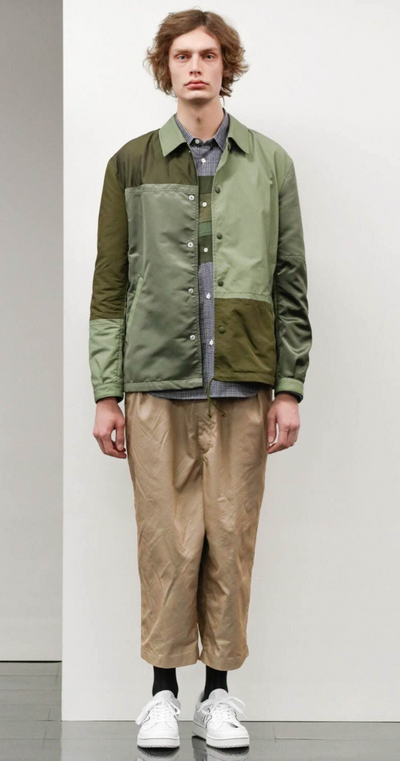 #5
#5Rei Kawakubo's Tokyo label, founded 1969, known for avant-garde pattern-cutting, a family of sub-labels and the heart-logo Play diffusion line.
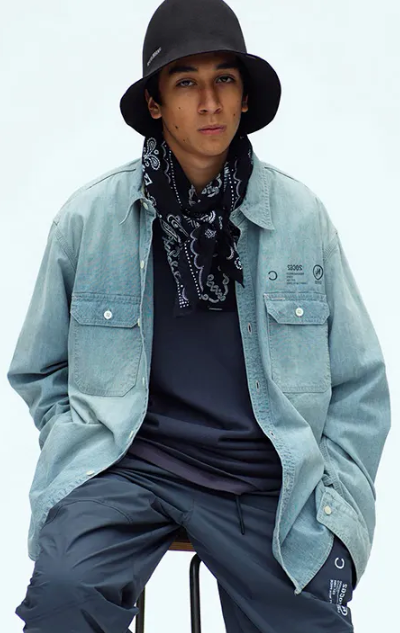 #6
#6Tokyo label founded in 1994 by Shinsuke Takizawa, building biker, punk and military references into heavily branded Japanese-made streetwear.
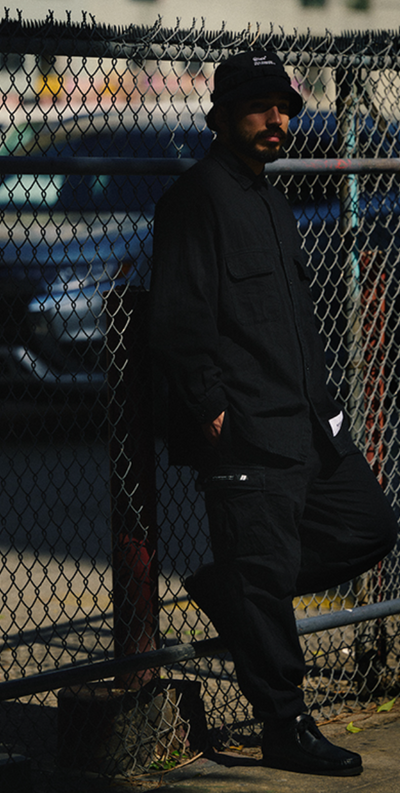 #7
#7Tokyo military- and workwear-rooted label founded in 1996 by Tetsu Nishiyama, known for jungle jackets, MILT cargo trousers and muted utilitarian staples.
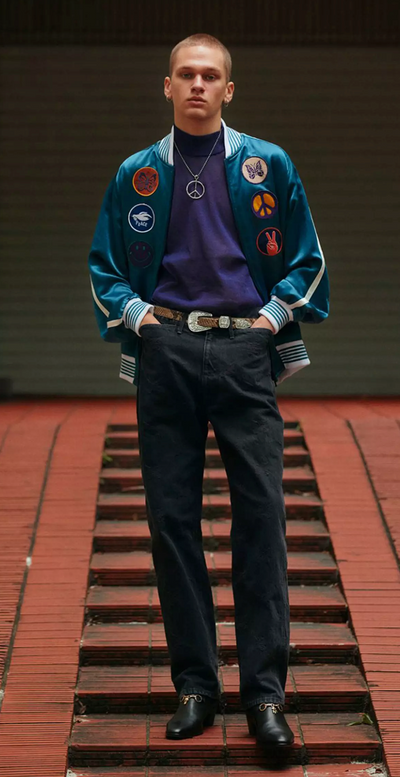 #8
#8Needles is Keizo Shimizu's Nepenthes in-house label, reworking Americana and 1970s leisurewear, best known for its butterfly-logo velour track pants.
 #9
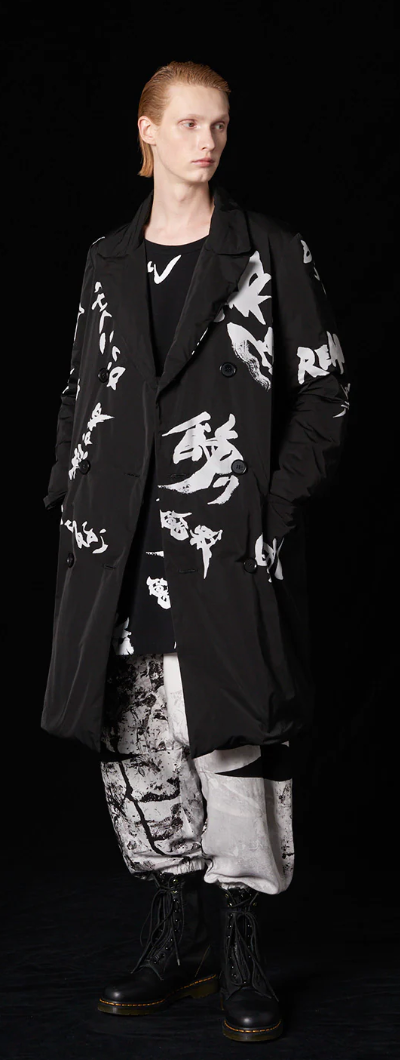
#9Tokyo avant-garde house founded in 1972, known for black oversized tailoring and asymmetric draping, plus the long-running Y-3 line with Adidas.
 #10
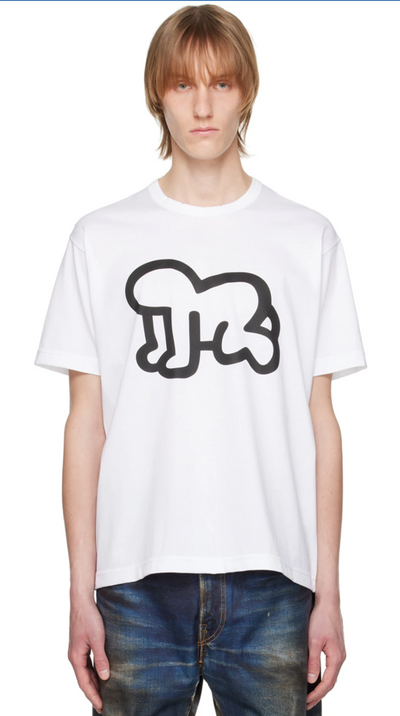
#10Tokyo label under the Comme des Garcons umbrella, known for technical fabrics, patchwork, deconstructed tailoring and heavy workwear collaborations.
 #11
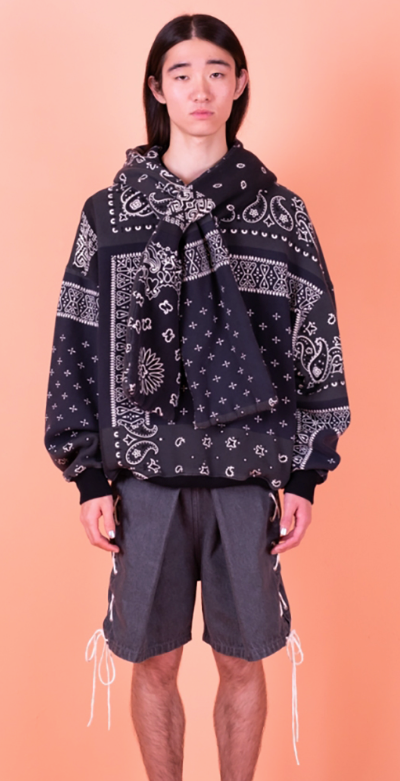
#11Japanese denim and workwear label from Kojima, Okayama, known for boro patchwork, sashiko stitching and indigo-dyed remake pieces.
 #12
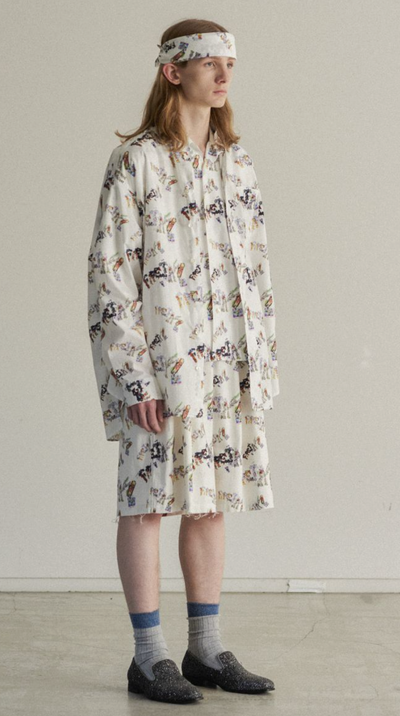
#12Tokyo label by Hiromichi Ochiai mixing street references with deconstructed knitwear and tailoring, pausing after SS26 ahead of a 2027 rebrand.
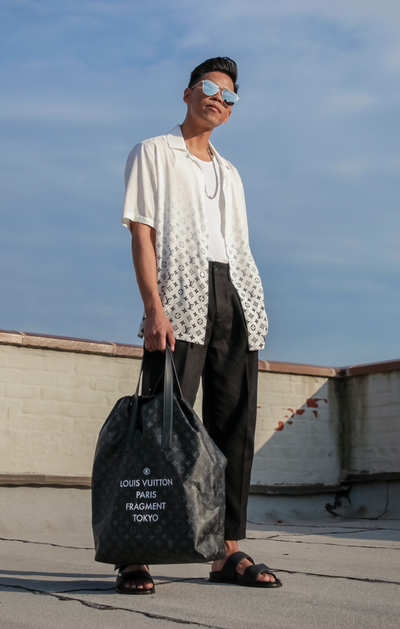 #13
#13Hiroshi Fujiwara's Tokyo design imprint, working through minimal, lightning-bolt-marked collaborations with Nike, Converse, Levi's, Moncler and others.
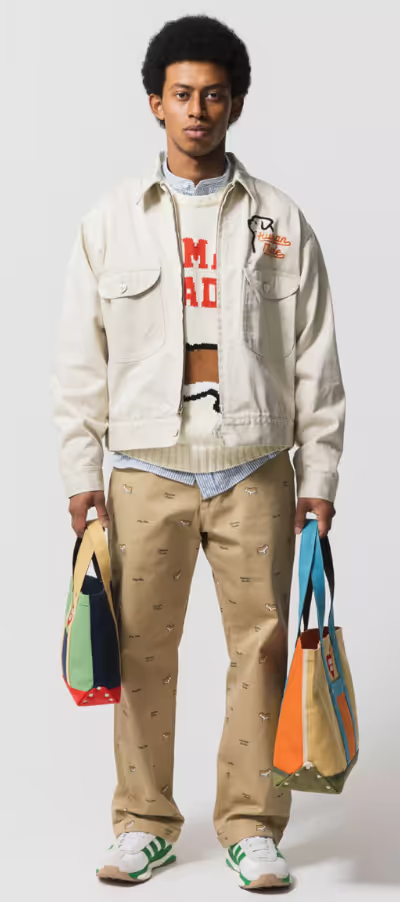 #14
#14Nigo's Tokyo label reworking vintage workwear and sportswear with mascot graphics, listed on the Tokyo Stock Exchange since November 2025.
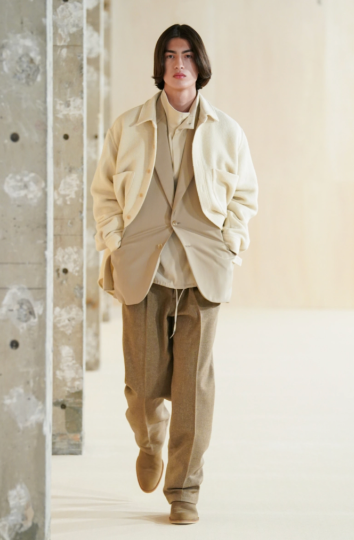 #15
#15Independent Tokyo label by Ryota Iwai, building relaxed menswear and womenswear around custom-developed Japanese textiles and muted colour.
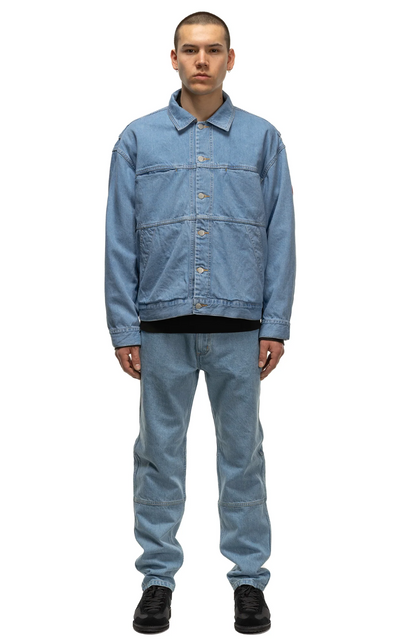 #16
#16Tokyo streetwear label known for graphic-heavy overdyed tees, print shirts and technical outerwear built on abstract digital and sci-fi imagery.
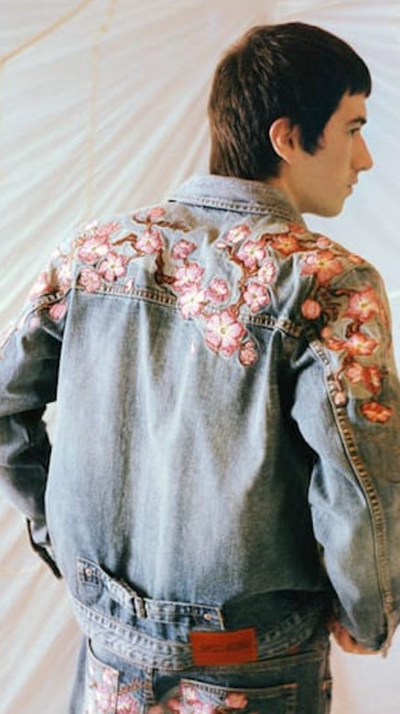 #17
#17Osaka-founded Japanese denim brand known for hand-painted seagull back pockets, selvedge jeans and Y2K-era streetwear staples.
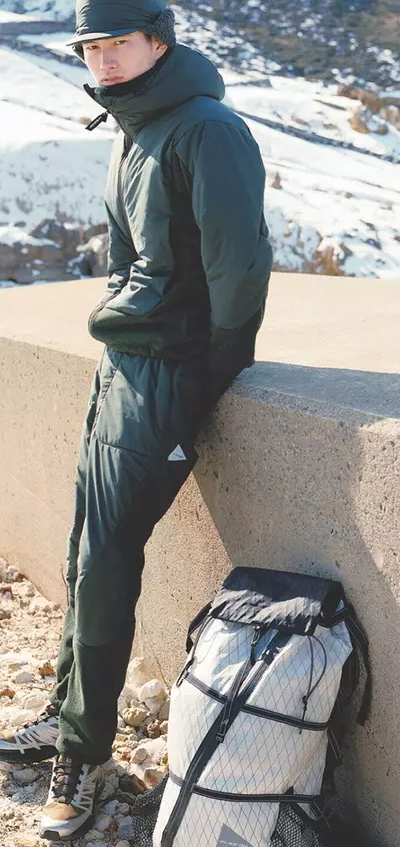 #18
#18Tokyo technical outdoor label founded in 2011 by ex-Issey Miyake designers Keita Ikeuchi and Mihoko Mori, owned by TSI Holdings.
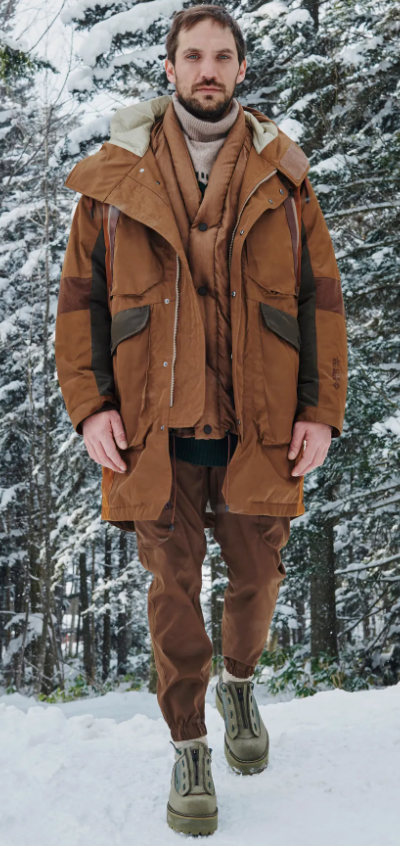 #19
#19Tokyo label founded by Yosuke Aizawa in 2006, combining technical outdoor construction with Japanese fabrics and fashion-led design.
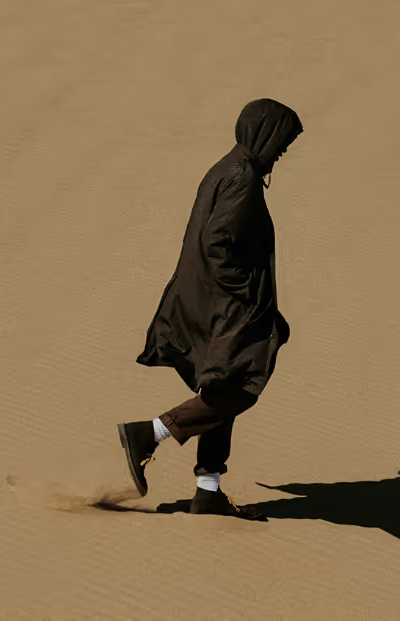 #20
#20Tokyo brand founded in 2003 by Eiichiro Homma, blending GORE-TEX outdoor construction with restrained, everyday sportswear and soft tailoring.
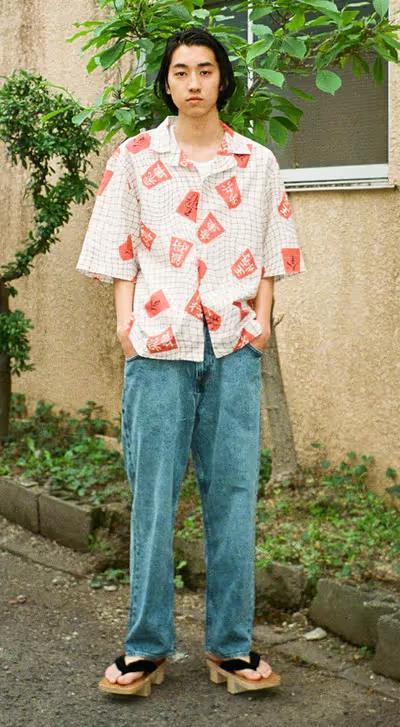 #21
#21Japanese denim house founded in Tokyo in 1947, known for heavyweight rainbow-selvedge jeans, early wash innovations and the 503 fit.
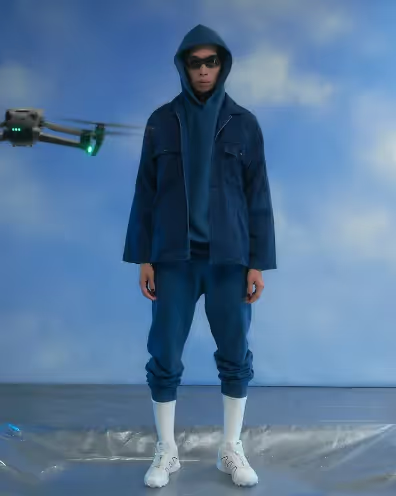 #22
#22Tokyo label from Seilin & Co., making Japanese-made clothing dyed with natural plant indigo using shibori, katazome and boro techniques.
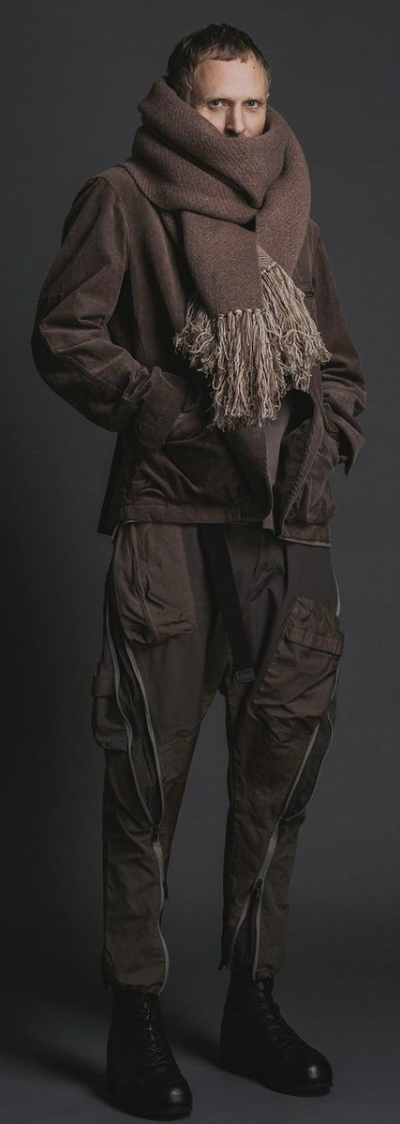 #23
#23Tokyo avant-garde menswear label founded in 2001 by Takahiro Miyazaki, known for dark, garment-dyed layering and asymmetric tailoring.
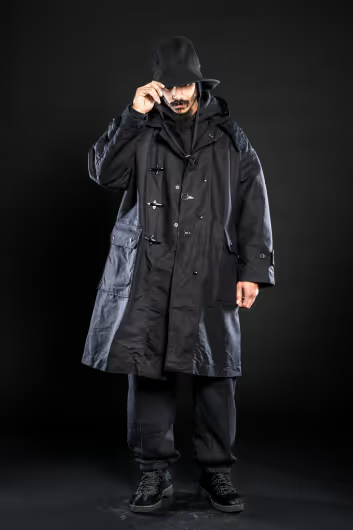 #24
#24Daiki Suzuki's New York label, founded 1999 under Nepenthes, reworking American workwear and military patterns with off-kilter construction and mixed fabrics.
 #25
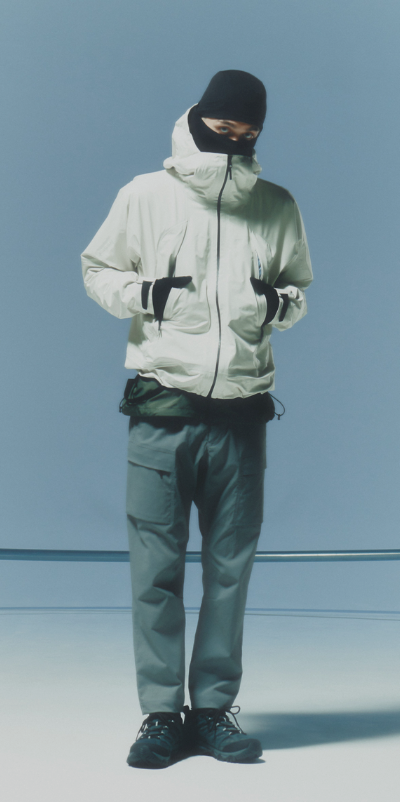
#25Japanese technical apparel label founded in 1950, known for ski heritage, GORE-TEX outerwear and restrained, performance-led design.
 #26
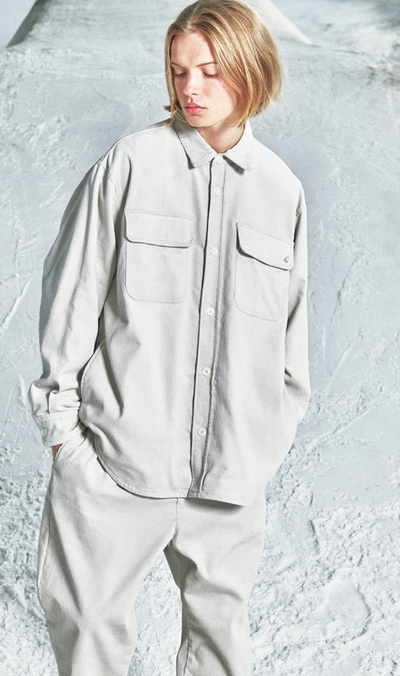
#26Tokyo label founded in 1998 by Hirofumi Kiyonaga, making minimal, function-driven city wear alongside sibling lines F.C.Real Bristol and uniform experiment.
 #27
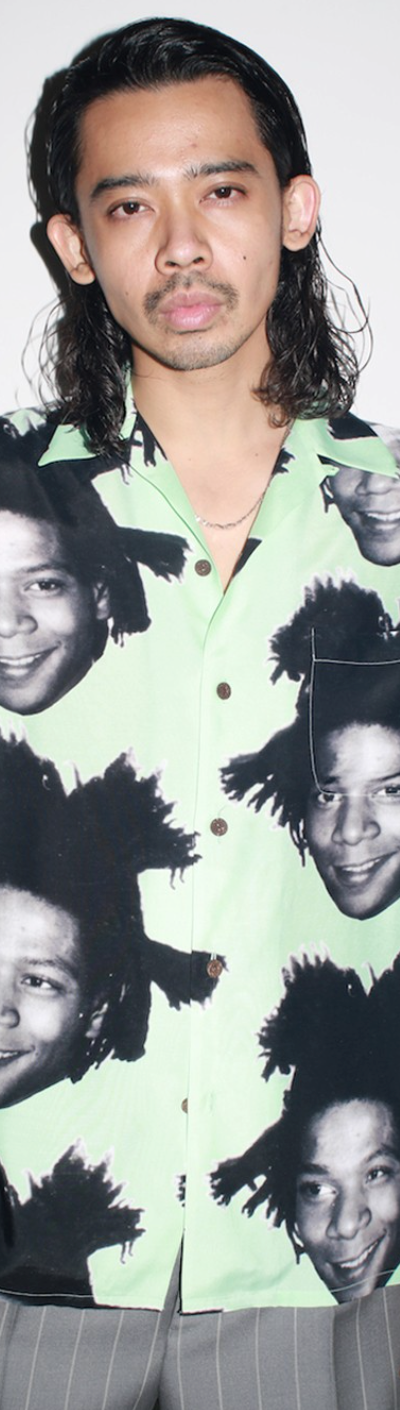
#27Tokyo label started in 2005 by two ex-footballers, built on music, nightlife and rayon open-collar shirts under its "Guilty Parties" line.
 #28
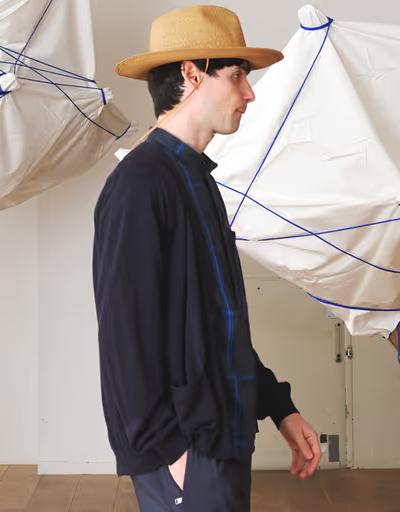
#28Tokyo menswear label led by Takayuki Fujii, making restrained urban clothing rooted in workwear, military and outdoor references.
In the vibrant world of Japanese streetwear, a masterful blend of cultural heritage and avant-garde design takes center stage. Influenced by traditional craftsmanship, these brands feature intricate detailing, innovative silhouettes, and bold, expressive graphics. The use of high-quality materials ensures a perfect fit and unparalleled comfort, making each piece not only a style statement but also a functional addition to any wardrobe. Whether dressing for a casual day out or making a statement at an art gallery, these designs encapsulate an aesthetic that is both timeless and cutting-edge.
Brands like Visvim, Undercover, and Sacai exemplify the spirit of this movement with their unique interpretations of street fashion. Visvim is celebrated for its artisanal approach, while Undercover fuses punk influences with high fashion. A Bathing Ape, on the other hand, has become synonymous with playful graphics and youthful energy. Explore our full list to discover the best that Japanese streetwear has to offer, each brand carrying its own distinct narrative and vibe that resonates with fashion enthusiasts worldwide.
Japanese streetwear brands like A Bathing Ape (BAPE), Comme des Garçons, and UNDERCOVER are celebrated for their innovative designs. BAPE is famous for its bold graphics and camo prints, while Comme des Garçons is known for its avant-garde and conceptual approach to fashion. UNDERCOVER blends punk and streetwear aesthetics, creating unique and edgy designs.
While some Japanese streetwear brands can be pricey due to their high-quality materials and craftsmanship, there are more affordable options. Brands like NEEDLES and Human Made offer a range of products at different price points, making them accessible to a broader audience while still maintaining a unique style.
Japanese streetwear brands are unique due to their fusion of traditional Japanese aesthetics with modern street style. They prioritize attention to detail, high-quality craftsmanship, and the innovative use of materials, resulting in distinct designs that often push the boundaries of conventional fashion. Brands like Sacai and visvim exemplify this blend with their experimental approaches to design.
Visvim is considered worth the investment for those who value high-quality craftsmanship and unique design. The brand is renowned for its meticulous attention to detail, use of premium materials, and timeless aesthetic that blends vintage Americana with Japanese influences. Visvim's products are designed to be durable and stylish, making them a prized addition to any fashion enthusiast's collection.
You can purchase Japanese streetwear brands online through various platforms such as SSENSE, Farfetch, and the official websites of the brands themselves. Stores like Dover Street Market also offer a curated selection of Japanese streetwear, featuring brands such as WTAPS, Yohji Yamamoto, and Kapital.