 #1
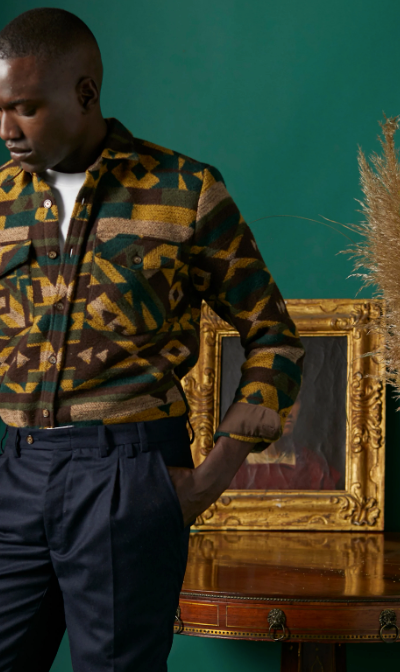
#1Portuguese Flannel
Family-run Portuguese label making brushed cotton flannel and seasonal shirts in the old textile towns of northern Portugal.
 disco#1
Family-run Portuguese label making brushed cotton flannel and seasonal shirts in the old textile towns of northern Portugal.
 #2
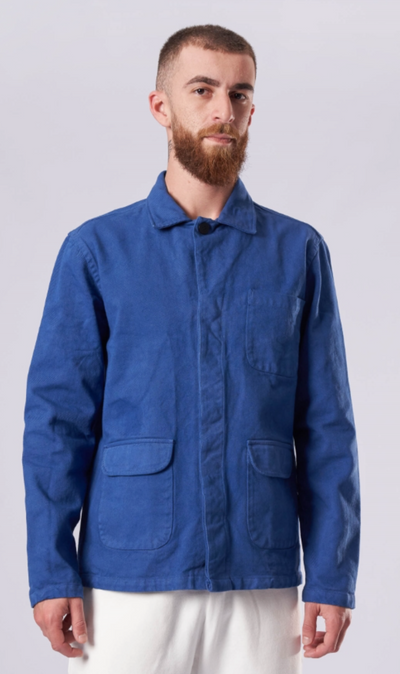
#2Porto menswear label making Portuguese-produced shirts, striped tees and knitwear inspired by the Atlantic and its fishing traditions.
 #3
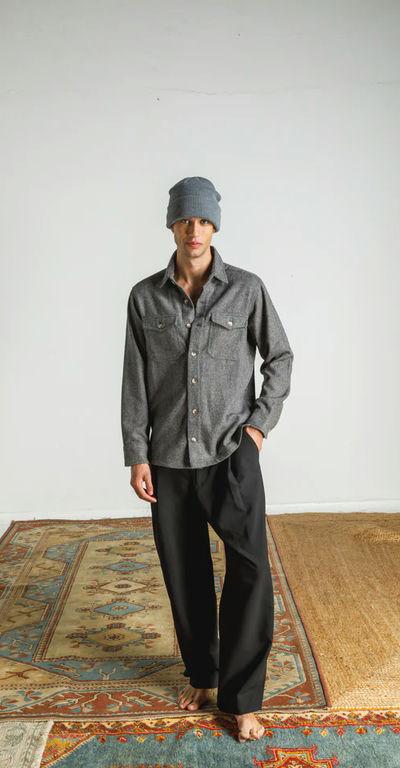
#3Lisbon slow-fashion label making boldly patterned, texture-driven shirts designed in Portugal and Fair Trade produced in India.
 #4
#4The weekly disco
Like these brands? Keep discovering.
One email a week — new brands worth knowing and the markdowns actually worth clicking.
Free · One email a week
 #5
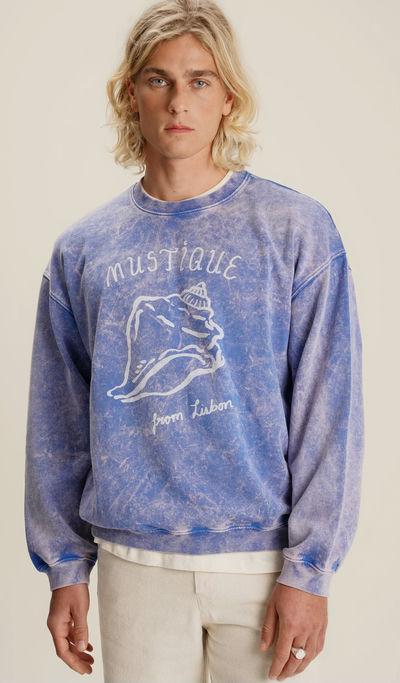
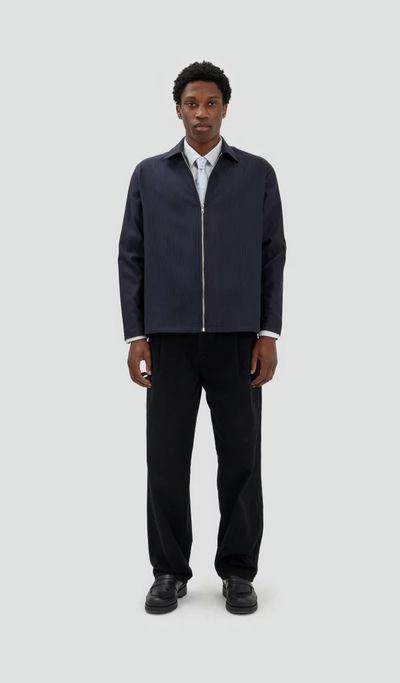
#5Lisbon unisex label (2018-2025) known for colourful Portuguese-made shirts, tees and swimwear; succeeded by its founders' new brand Gandaia.
 #6
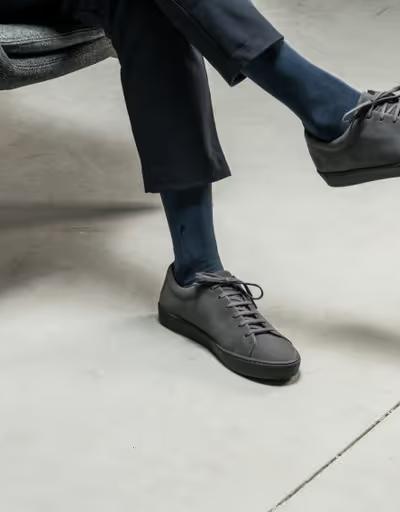
#6Independent Lisbon label making responsibly produced, surf-influenced casualwear from organic and recycled fabrics, with a flagship store in the city since 2021.
 #7
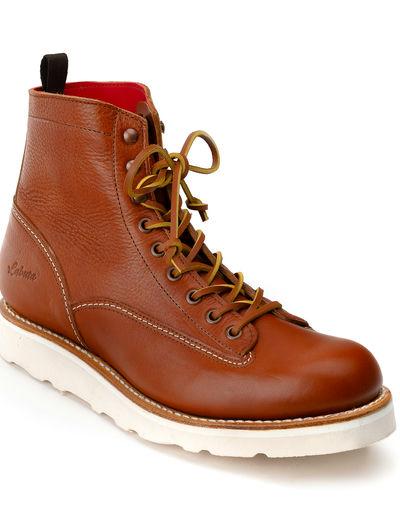
#7Lisbon-based footwear brand making minimalist unisex leather sneakers handmade in northern Portugal, sold through its own stores and online.
 #8
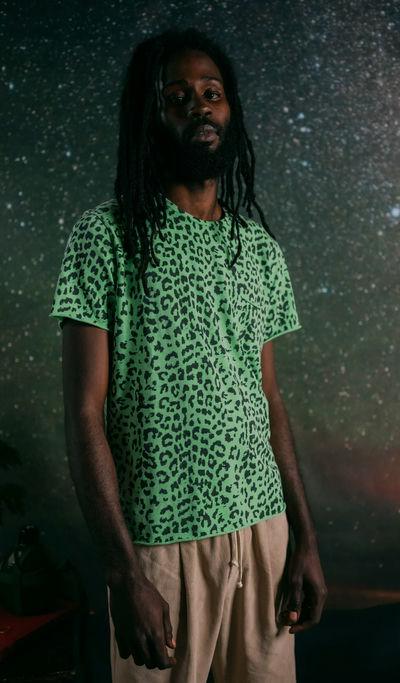
#8Leiria-based Portuguese maker of Goodyear-welted boots and leather goods in vegetable-tanned leather, inspired by traditional working trades.
 #9
#9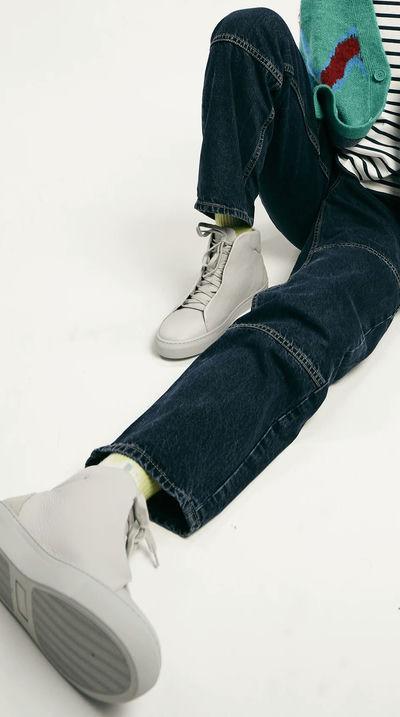 #10
#10Portuguese label making handcrafted, fully customizable made-to-order sneakers, with B Corp certification and youth-design social programmes.
 #11
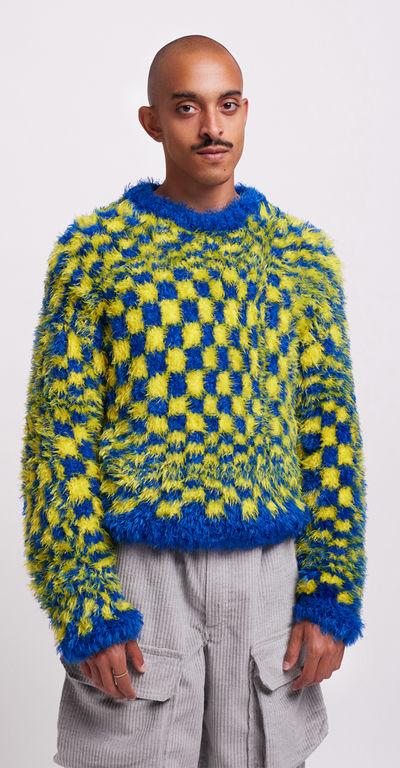
#11Portuguese label making genderless, minimal and deconstructed contemporary basics, designed and produced in Portugal.
The two are not the same, and this list proves it. Portuguese Flannel is run by brothers António and Manuel Magalhães, fourth-generation textile manufacturers producing in the old mill towns of northern Portugal. La Paz makes in Portugal with local manufacturers and suppliers. ISTO. states 100% Portuguese manufacturing and publishes per-garment cost breakdowns, plus a "factourism" programme that takes customers into supplier factories. +351 produces all its limited-edition organic cotton pieces in Portugal, and Mustique produced entirely in Portugal with local suppliers. Otherwise, by contrast, is a Lisbon label that designs in Lisbon and hand-produces in India under Fair Trade arrangements — a supply chain it documents openly on its own values page. Portuguese identity, in other words, does not imply Portuguese manufacture.
For shirting, Portuguese Flannel is the specialist: brushed cotton flannels, corduroy, linen and camp-collar shirts, with the roomy single-pocket Village shirt and its urea buttons as the signature. Patterns lean earthy checks, stripes and jacquards rather than grunge plaid. Otherwise goes the opposite way — bold prints, textile-art motifs and woven textures across men's and women's button-ups. La Paz works an Atlantic and fishing-village register: linen shirts, striped tees, chunky knits, sturdy outerwear, muted coastal tones. Fairly Normal filters Lisbon's surf scene through traditional menswear in organic and recycled fabrics. +351 is pared-back surf-and-city sweats, tees and knitwear. HIBU is the outlier in cut: genderless, minimal and deconstructed, wide trousers and relaxed proportions, shown within the ModaLisboa calendar.
Mustique sat lowest, with shirts and tees around €75–80. ISTO., Portuguese Flannel and +351 land mid-tier; La Paz, Fairly Normal, Otherwise and HIBU sit a step above. On shoes, JAK makes minimalist unisex leather sneakers handmade in the north of Portugal at roughly €150–290. DiVERGE is made-to-order and configurable panel by panel, B Corp certified, with its Imagine programme training young Lisbon designers. LABUTA, in Leiria, is the heritage option: Goodyear-welted boots in vegetable-tanned leather around €300–350, with resoling offered.
Note that sustainability language here is largely brand-stated — organic and recycled fabrics, local production — and only DiVERGE holds a third-party certification (B Corp). Mustique closed after 2025; its founders launched Gandaia as the successor, and remaining stock sells at clearance on mustiqueworld.com.
Portuguese Flannel (northern Portugal mill towns), La Paz, ISTO. (states 100% Portuguese manufacturing), +351, Fairly Normal (local Portuguese manufacturers), HIBU and the late Mustique all produce in Portugal. JAK's sneakers are handmade in factories in the north, LABUTA works out of Leiria, and DiVERGE makes to order in Portugal with partner factories. Otherwise is the exception: designed in Lisbon, hand-produced in India under Fair Trade arrangements.
Mustique was the cheapest of the group, with shirts and tees around €75–80, and its remaining stock is now discounted. ISTO., +351 and Portuguese Flannel sit in the mid range, with ISTO. publishing a cost breakdown for each garment so you can see what you're paying for.
If you want brushed cotton shirting with real manufacturing behind it, yes. The founders are fourth-generation textile manufacturers producing in northern Portugal, the brand favours local mills and organic or recycled fibres, and the Village shirt's roomy single-pocket cut is the piece most people buy first.
No. Mustique ran from 2018 to 2025 and its founders, Vera Caldeira da Silva and Pedro Ferraz, launched Gandaia as the successor label. Mustique's social channels now carry the Gandaia name, and mustiqueworld.com is selling remaining stock at clearance prices.
Mostly direct. La Paz has a store and showroom on Rua da Reboleira in Porto; ISTO. runs four Portuguese stores plus a Berlin shop; JAK has stores in Chiado, Lisbon and central Porto; Fairly Normal has a Lisbon flagship since 2021; +351 sells through plus351.pt, which it flags as its only official store; HIBU sells via hibu-studio.com; Otherwise through its Lisbon shops and otherwise.shop. Third-party stockists include Mr Porter, Stag Provisions and Blue Owl Workshop for Portuguese Flannel, and Wallace Mercantile Shop for Fairly Normal. disco is a directory — we don't sell anything.