Gazelle Skinny Jeans
The elongated, second-skin skinny jean — often coated — is the trouser that made Julius's stretched black silhouette recognisable worldwide.
Explore Gazelle jeans → disco
discoBrand profile
Tokyo avant-garde label founded in 2001 by Tatsuro Horikawa, known for near-monochrome black, layered drape and asymmetric menswear.
26 brands like Julius like Boris Bidjan Saberi, Rick Owens, Carol Christian Poell →
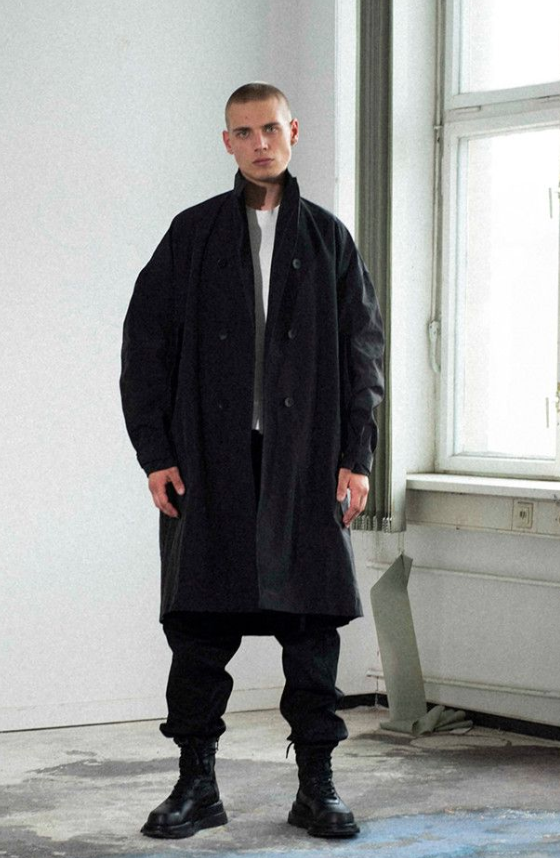
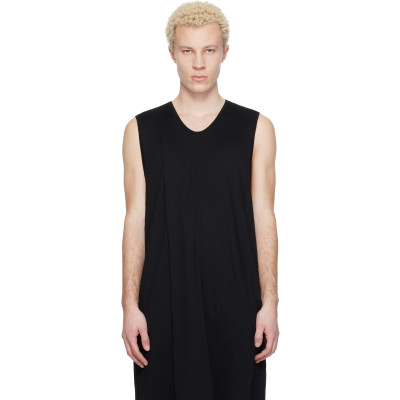
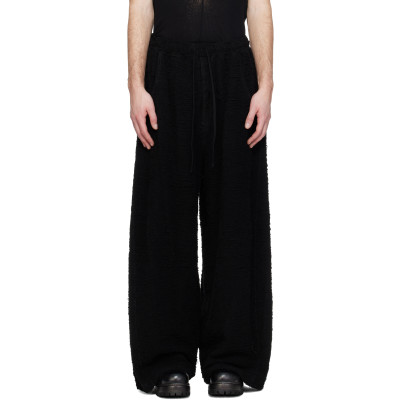
Collections stay near-monochrome black and build on layered drape, asymmetric cuts and elongated lines — outerwear with strap details and drop-crotch trousers are the anchors.
Tatsuro Horikawa started the label in 2001 as an art project, moved to Tokyo Fashion Week in 2004 and has shown in Paris since 2008.
Alongside the main line there's MA_JULIUS and a Permanent programme that reissues archive styles, so older signatures stay available rather than disappearing after a season.
The elongated, second-skin skinny jean — often coated — is the trouser that made Julius's stretched black silhouette recognisable worldwide.
Explore Gazelle jeans →The Prism tailoring, trousers and boots distill Horikawa's monochrome, sharply cut aesthetic into a recurring house line.
Explore Prism →Treated, distressed and voluminous, these jeans embody the label's darkly worn, drop-crotch-adjacent denim language.
Explore Destroy denim →Available atSSENSE
Overall fit
runs small
Julius uses Japanese numeric sizing (1–5) that runs noticeably smaller than Western equivalents, with slim shoulders and armholes but long, elongated body lengths, so buyers commonly report needing one size up.
Tip: Most people size up one from their usual Western size (Julius 3 tends to land closest to a standard M, 4 to an L), and up further if you have a broad chest or shoulders.
Medium confidence · based on 14 sources
By category
| Category | Runs | Shape | Size advice |
|---|---|---|---|
| Hoodies & sweatshirts | runs small | lean through the chest with long, sometimes oversized hoods and layered drape | Size up one, or two if you plan to layer knitwear underneath. |
| Shirts & overshirts | runs small | narrow shoulders and slim sleeves, often with asymmetric or draped panels | Size up one; broad-shouldered wearers often report the shoulder as the limiting measurement rather than the chest. |
| Trousers & pants | slightly small | drop-crotch and draped through the seat, tapering hard below the knee | Take your usual Julius numeric size up one from Western sizing and expect to shorten the inseam. |
| Jeans & denim | runs small | slim to skinny with a low or dropped rise | Size up one from your usual denim waist, as the cut is cut close through the thigh and knee. |
| Jackets | runs small | lean and elongated, with narrow armholes and strap or panel detailing | Size up one for a clean fit and up two if you intend to layer knitwear or hoodies underneath. |
| T-shirts & graphic tees | runs small | slim to slightly draped through the body, close in the shoulder | Size up one unless you want a genuinely skin-close fit; a 3 is closest to a standard medium. |
Directional fit consensus summarized from public sources with AI — a starting point, not a guarantee. Confirm with the product's own measurements before buying.
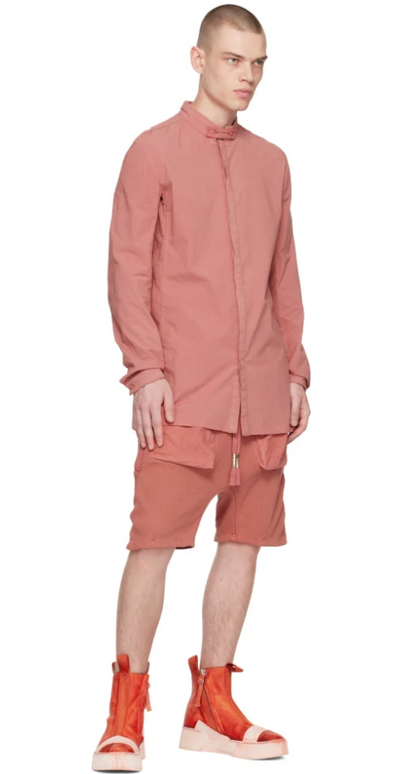 92% match
Hand-treated leathers, darker and more artisanal
What changes: Higher price, obsessive hand-finishing and object-dyeing
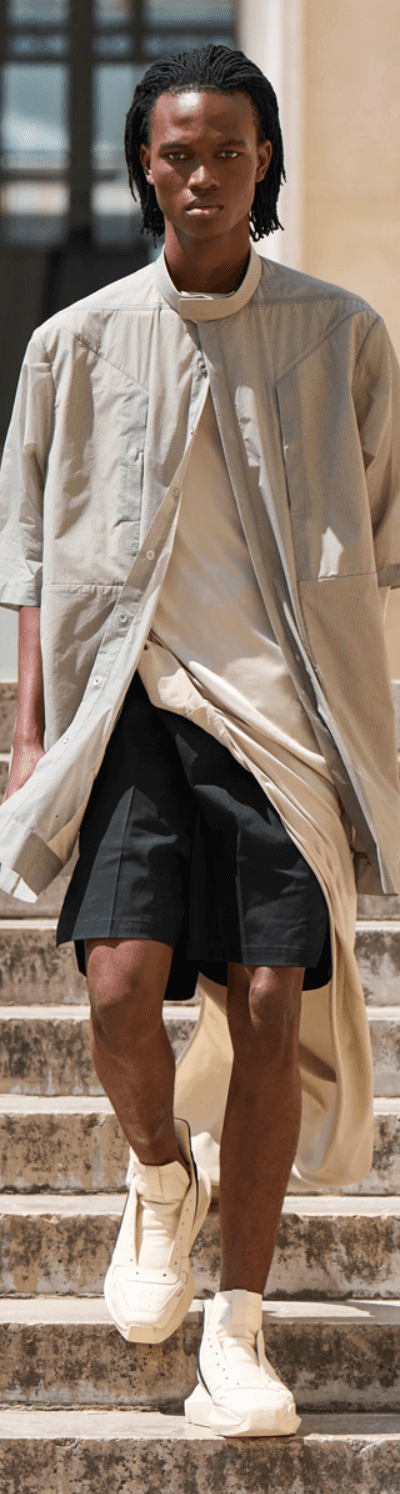 90% match
Draped monochrome with a bigger, glammier silhouette
What changes: Far larger range, higher price, cult designer branding
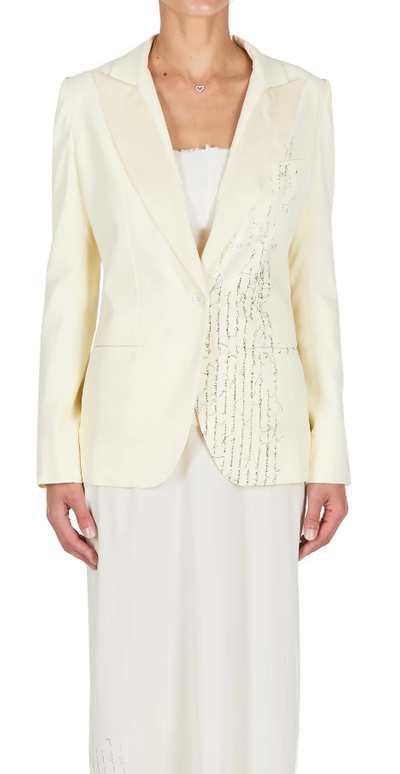 85% match
Experimental small-run leather and dyed tailoring
What changes: Tiny production runs, research-driven, much pricier
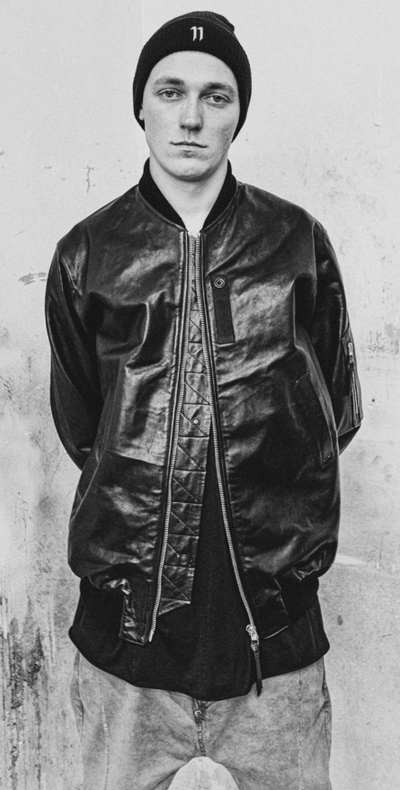 84% match
Same dark layering with sport and techwear cuts
What changes: More streetwear-leaning, technical fabrics over drape
Julius runs small. Most people size up one from their usual Western size (Julius 3 tends to land closest to a standard M, 4 to an L), and up further if you have a broad chest or shoulders. Julius uses Japanese numeric sizing (1–5) that runs noticeably smaller than Western equivalents, with slim shoulders and armholes but long, elongated body lengths, so buyers commonly report needing one size up.
Julius uses Japanese numeric sizing (1–5) that runs noticeably smaller than Western equivalents, with slim shoulders and armholes but long, elongated body lengths, so buyers commonly report needing one size up. Overall shape: slim and narrow through the shoulders and chest with elongated, drapey lines.
Julius hoodies & sweatshirts runs small. Size up one, or two if you plan to layer knitwear underneath. Shape: lean through the chest with long, sometimes oversized hoods and layered drape.
Julius shirts & overshirts runs small. Size up one; broad-shouldered wearers often report the shoulder as the limiting measurement rather than the chest. Shape: narrow shoulders and slim sleeves, often with asymmetric or draped panels.
Julius trousers & pants fits slightly small. Take your usual Julius numeric size up one from Western sizing and expect to shorten the inseam. Shape: drop-crotch and draped through the seat, tapering hard below the knee.
JULIUS is the Tokyo label Tatsuro Horikawa began in 2001 as an art project, showing menswear at Tokyo Fashion Week from 2004 and at Paris Men's Fashion Week since 2008. Collections run to near-monochrome black, layered drape, asymmetric cuts, elongated silhouettes and treated leathers, drawing on Zen and Buddhist ideas formed during Horikawa's time in Tibet. Signature pieces include long hooded knits, strap-detailed outerwear and drop-crotch trousers. The house also runs the MA_JULIUS line and a Permanent programme reissuing archive styles.