Artist / Signature Stripe
The multicoloured stripe is Paul Smith's calling card, running across polos, knitwear, shirting, wallets, belts and loafers throughout the range.
35 live now · from $62
Explore Signature Stripe → disco
Brand profile
British label founded by Paul Smith in 1970, known for traditional tailoring twisted with bright colour, stripes and prints across menswear and womenswear.
17 brands like Paul Smith like Oliver Spencer, Percival, Drake's →
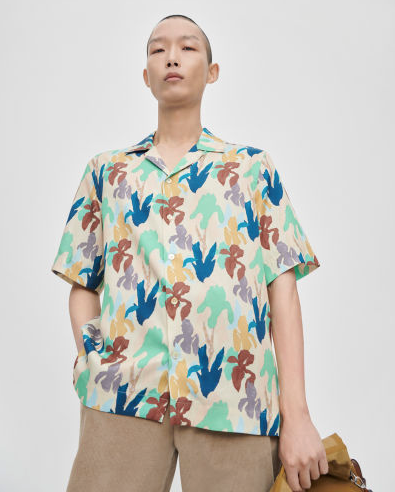
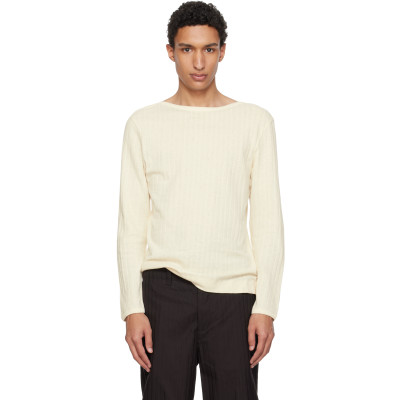
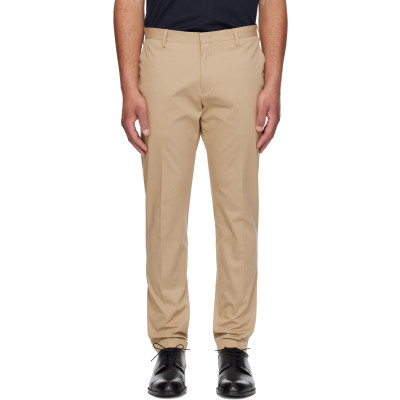
The house formula is conventional British suits, shirting and knitwear broken up by bright pattern, most recognisably the multicoloured Artist Stripe.
The main Paul Smith label covers tailoring and shirting; the cheaper PS Paul Smith line handles casualwear, so the same name spans very different budgets.
Smith has designed the label since opening in Nottingham in 1970 and keeps majority ownership, but the business posted a £5.3m pre-tax loss to June 2024 and exited Germany.
The multicoloured stripe is Paul Smith's calling card, running across polos, knitwear, shirting, wallets, belts and loafers throughout the range.
35 live now · from $62
Explore Signature Stripe →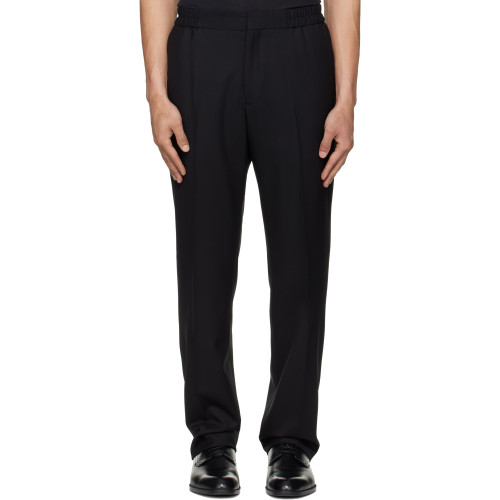
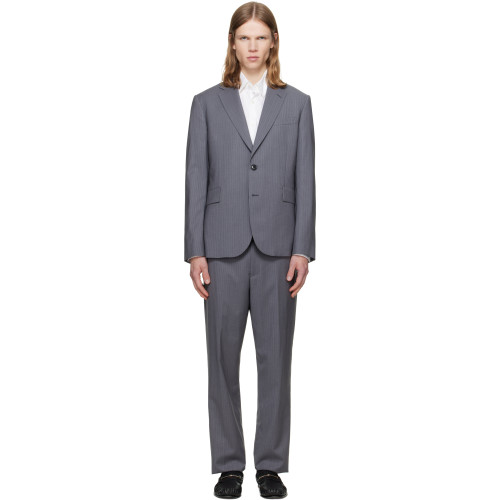
The brand's best-known tailoring innovation — a crease-resistant, stretch-comfort suit that sums up Paul Smith's modern take on British tailoring.
1 live now · from $231
Explore Travel Suits →Classic Savile Row-informed two-button tailoring, cut slim with a British sensibility, remains the foundation of the label since 1970.
Explore tailoring →See all 113 Paul Smith deals, with sizes and similar labels →
Available atSSENSE
Shops we have seen carry Paul Smith, by city. Stock turns over every season, so check with the shop before a trip.
Overall fit
slightly small
Most shoppers find Paul Smith cut on the slim, close-to-body side of British tailoring, so the label size often wears about half a size smaller than typical high-street equivalents, while the PS Paul Smith casual line is reported as closer to true to size.
Tip: If you are between sizes or want anything more than a very trim fit, take the next size up — especially in main-line shirts and tailoring.
Medium confidence · based on 14 sources
By category
| Category | Runs | Shape | Size advice |
|---|---|---|---|
| Hoodies & sweatshirts | true to size | regular to slightly slim, cleaner than typical streetwear sweats | Take your normal size, or one up if you want an oversized look. |
| Shirts & overshirts | runs small | slim, darted through the back with a high armhole; classic/tailored options are fuller | Take a size up (or choose the tailored/classic block) unless you are slim-built and want a very close fit. |
| Trousers & pants | true to size | slim or slim-tapered through thigh and knee | Order your usual waist, but expect a narrow thigh — go up one if you are muscular through the leg. |
| Jeans & denim | true to size | slim to tapered, mid rise | Stick with your measured waist; size up only if you want room in the seat and thigh. |
| Jackets | slightly small | tailored with a nipped waist and clean shoulder; blousons and overshirts are trimmer than most | Size up if you plan to layer knitwear underneath or have an athletic chest. |
| T-shirts & graphic tees | slightly small | slim to regular, closer through the chest and sleeve than typical | Size up if you prefer a relaxed drape; stay true to size for a fitted look. |
Directional fit consensus summarized from public sources with AI — a starting point, not a guarantee. Confirm with the product's own measurements before buying.
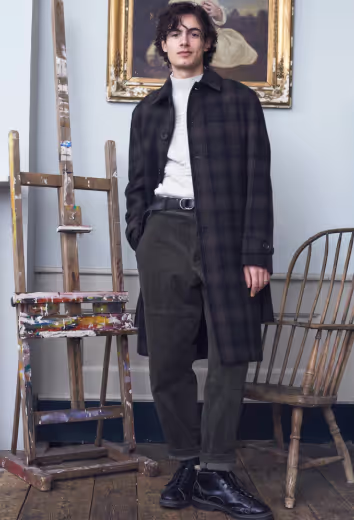
British suits, shirts and knitwear made from British and Italian cloth, cut relaxed for wearing the tailoring as everyday clothing.
What changes: The palette is muted and earthy, and the tailoring is softer and workwear-tinged instead of bright stripes.
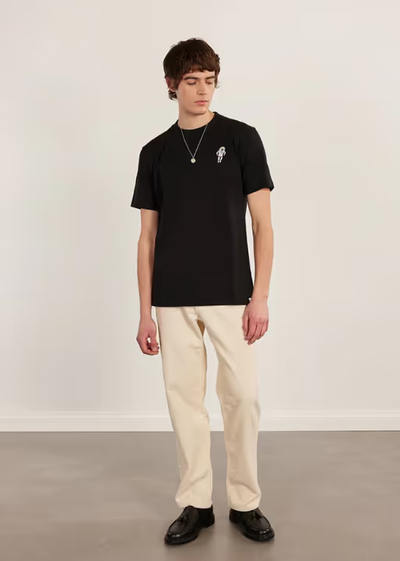
Playful printed shirts, patterned knitwear and British-referencing details bring the same sense of colour and fun to a shirt-led wardrobe.
What changes: It is casual only: camp-collar and boxy shirts, with no suits to build around.
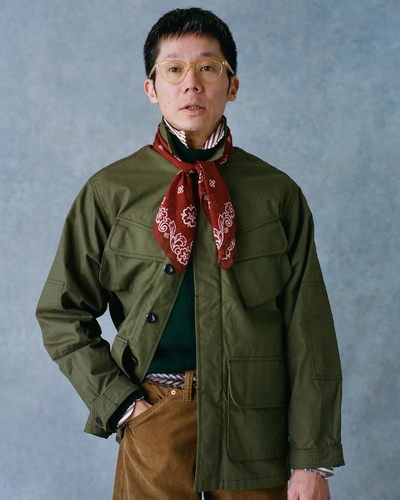
Striped oxford button-downs, silk ties, soft tailoring and colourful accessories carry colour through small details in a tailored wardrobe.
What changes: More traditional and Ivy; colour comes through ticking stripes and ties, not prints.
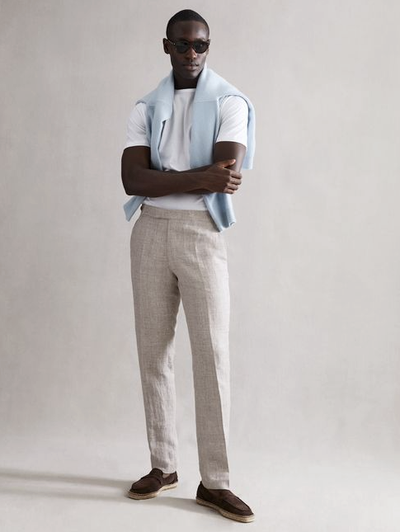
Slim British tailoring, shirts and coats cut for work and occasions, close to the sharp contemporary suit side.
What changes: Cleaner and plainer, with little of the playful colour and detail.
Paul Smith fits slightly small. If you are between sizes or want anything more than a very trim fit, take the next size up — especially in main-line shirts and tailoring. Most shoppers find Paul Smith cut on the slim, close-to-body side of British tailoring, so the label size often wears about half a size smaller than typical high-street equivalents, while the PS Paul Smith casual line is reported as closer to true to size.
Most shoppers find Paul Smith cut on the slim, close-to-body side of British tailoring, so the label size often wears about half a size smaller than typical high-street equivalents, while the PS Paul Smith casual line is reported as closer to true to size. Overall shape: slim to tailored with a defined waist, though the PS Paul Smith diffusion line sits closer to regular/relaxed.
Paul Smith hoodies & sweatshirts fits true to size. Take your normal size, or one up if you want an oversized look. Shape: regular to slightly slim, cleaner than typical streetwear sweats.
Paul Smith shirts & overshirts runs small. Take a size up (or choose the tailored/classic block) unless you are slim-built and want a very close fit. Shape: slim, darted through the back with a high armhole; classic/tailored options are fuller.
Paul Smith trousers & pants fits true to size. Order your usual waist, but expect a narrow thigh — go up one if you are muscular through the leg. Shape: slim or slim-tapered through thigh and knee.
Paul Smith opened his first shop in Nottingham in 1970 and still designs the label, which pairs traditional British tailoring with playful colour. Signature pieces include suits, striped knitwear and shirting using the multicoloured Artist Stripe, alongside accessories, eyewear and footwear; the cheaper PS Paul Smith line covers casualwear. The business runs about 130 stores in more than 60 countries. Smith retains majority ownership with Japanese trading house Itochu holding 40%; the company reported a £5.3m pre-tax loss for the year to June 2024 and closed its German stores.