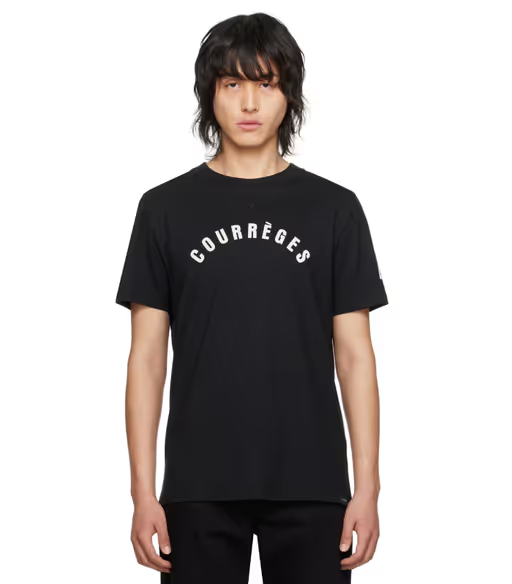
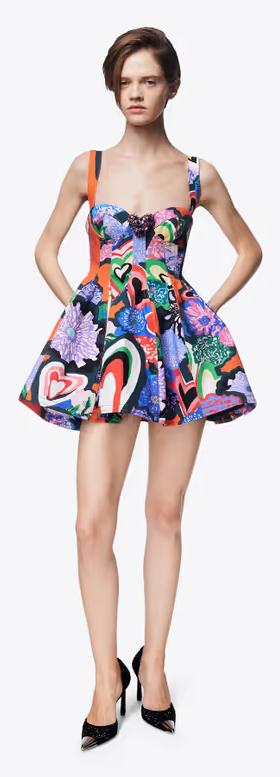
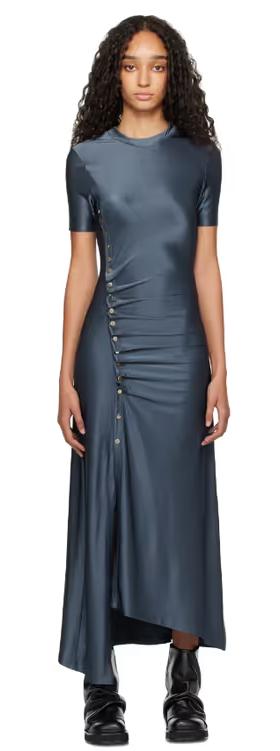
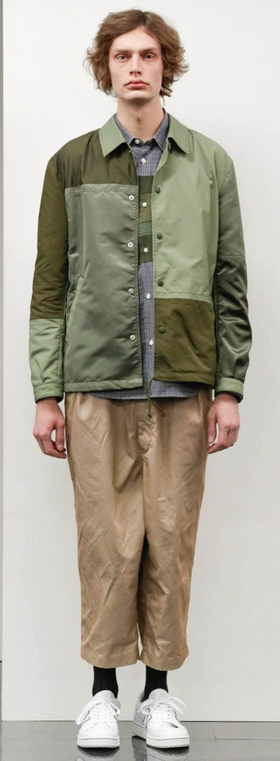
We compared 18 brands similar to Courrèges on fit, price and aesthetic — 8 cheaper and 3 more premium, led by Rick Owens and AREA Clothing.
If you're drawn to the unique style of Courrèges, you'll likely appreciate the designs of brands like Rick Owens, Comme des Garçons, and Balenciaga. Each of these labels shares similar avant-garde aesthetics and a commitment to innovative materials. Whether you're searching for bold architectural silhouettes or the latest in luxury fashion, brands like Courrèges offer a treasure trove of options for fashion enthusiasts eager to push boundaries and make a statement.
Show me
#1
Rick Owens
90% match
Avant-garde$$$$$ · Similar priceLos Angeles, United States · est. 1994Made in Italy
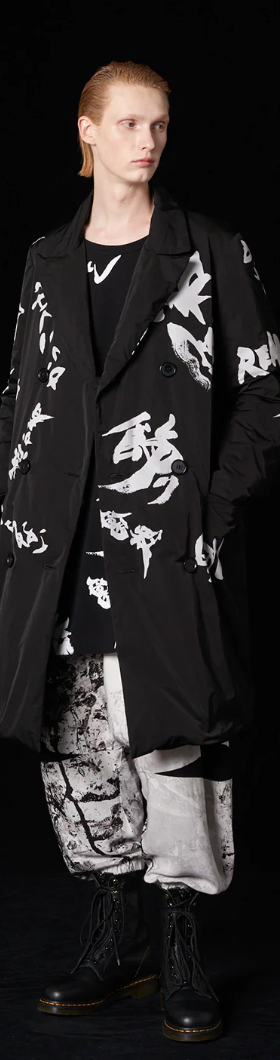
Independent avant-garde label founded in Los Angeles in 1994 and now based in Paris, known for draped monochrome tailoring and chunky sneakers.
Why it's similar. Both brands share a strong avant-garde aesthetic, focusing on innovative and unconventional designs.
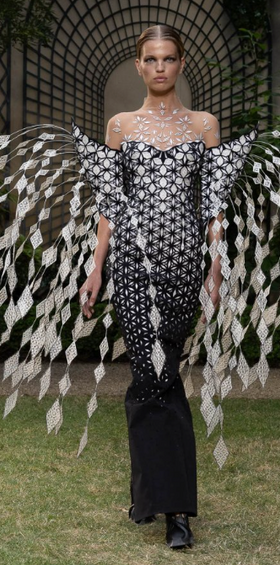
Dutch haute couture house founded in 2007, fusing 3D printing, biofabricated materials and handcraft into sculptural, science-driven garments shown in Paris.
Paris label founded in 2017, known for its crescent-moon monogram jersey and upcycled, regenerated textiles.
Why it's similar. Shares Courrèges' Paris runway calendar and futuristic body-conscious silhouettes, but Marine Serre builds them from crescent-moon monogram jersey and upcycled household textiles rather than vinyl.
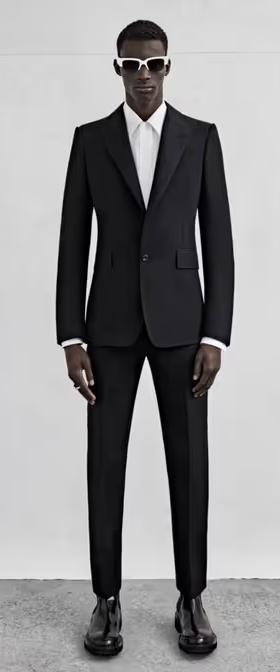
French luxury house founded in 1974, known for corseted, sharp-shouldered silhouettes and mesh catsuits; L'Oreal-owned and now designed by Miguel Castro Freitas.
Why it's similar. Another French house with a founder-era signature, Mugler trades Courrèges' space-age minimalism for corseted hourglass tailoring, padded shoulders and sheer mesh-panelled catsuits.
Disco ranks brand alternatives using style overlap, category overlap, price tier, fit, colour palette, and cultural context. Scores are directional, not absolute. Read the full methodology →
Rick Owens is the brand most similar to Courrèges, with a match score of 90%. Its avant-garde design philosophy and innovative silhouettes closely mirror the bold, futuristic style of Courrèges.
Cheaper alternatives to Courrèges
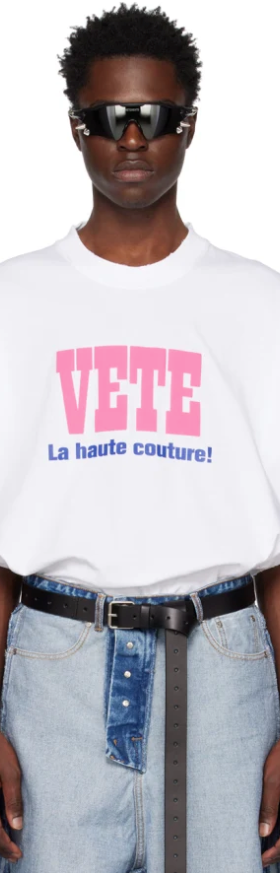
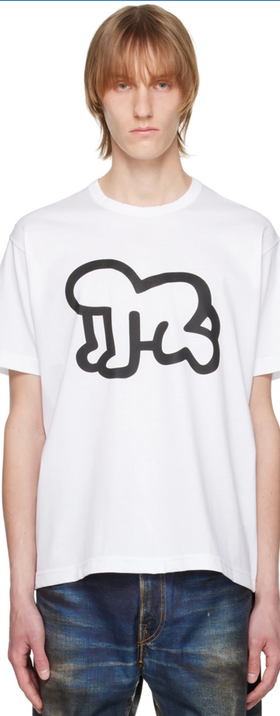
Comme des Garçons and Vetements offer lower-priced options in the premium segment. They deliver avant-garde styles with distinct creative expressions, suited for budget-conscious fashion enthusiasts.
Is Rick Owens better than Courrèges?
Rick Owens offers a darker, edgier aesthetic that might appeal to those favoring a gothic style. While both brands showcase high-quality craftsmanship, Courrèges is known for a brighter color palette and a more structured, futuristic aesthetic.
What is Courrèges known for?
Courrèges is renowned for pioneering the mini skirt and its 1960s space-age fashion. Its sleek, modernist designs and bold geometric shapes stand out, embodying a distinctive avant-garde aesthetic.
Luxury alternatives to Courrèges
Balenciaga, A.W.A.K.E. Mode, and Yohji Yamamoto are luxury alternatives, offering sophisticated, high-quality designs. While each maintains its unique flair, they share Courrèges' commitment to contemporary luxury fashion.