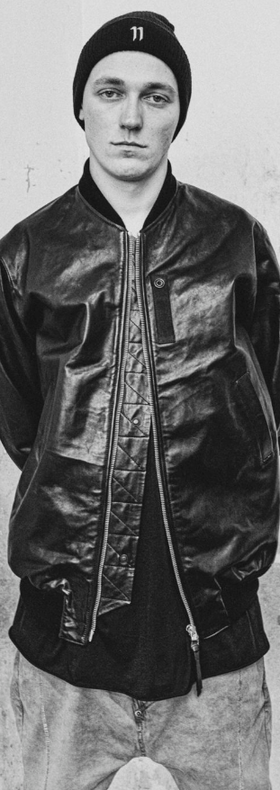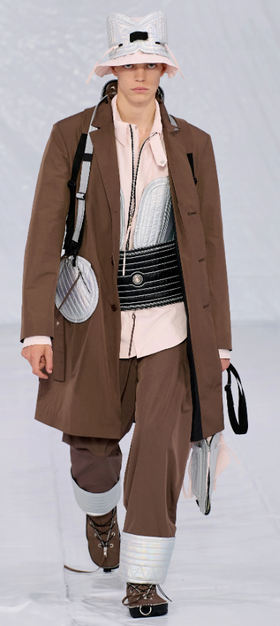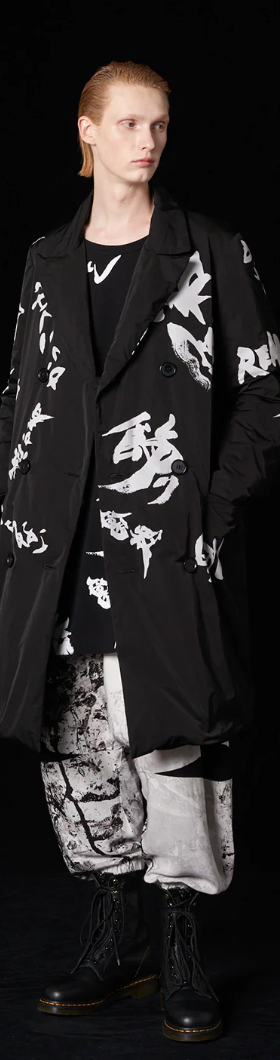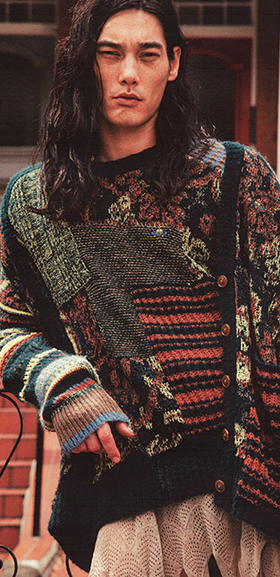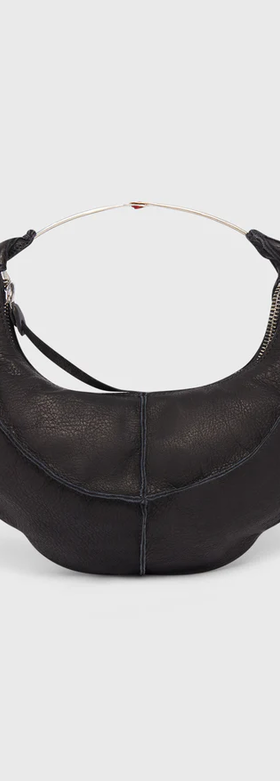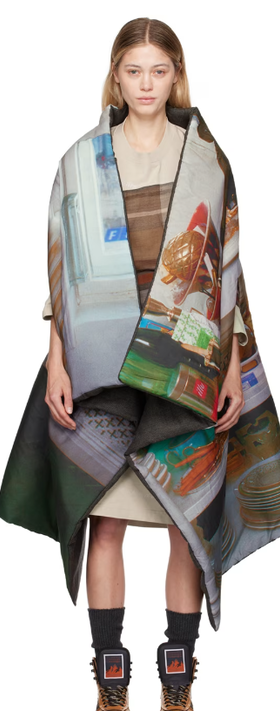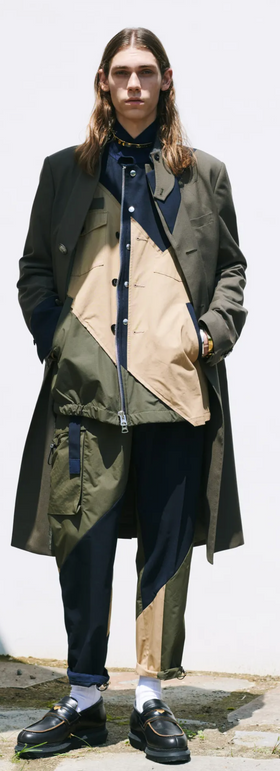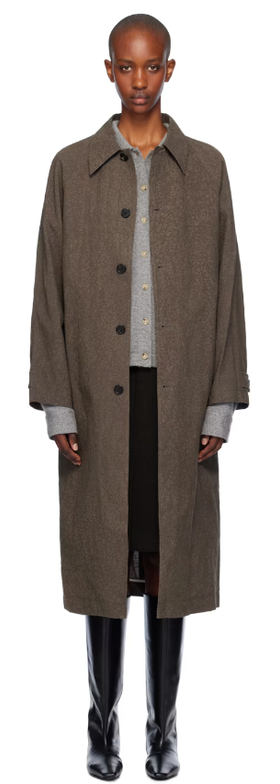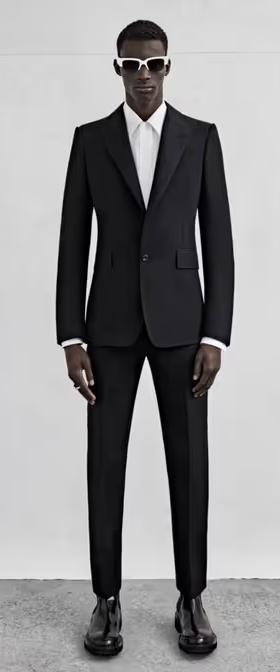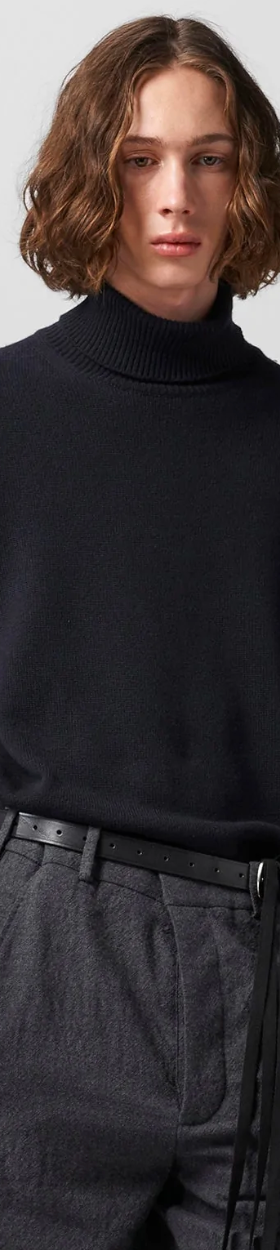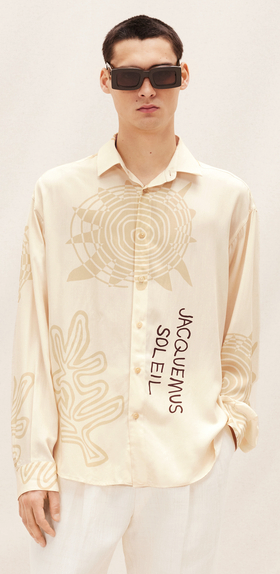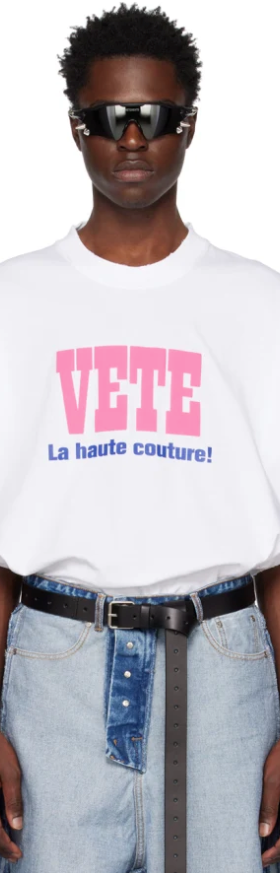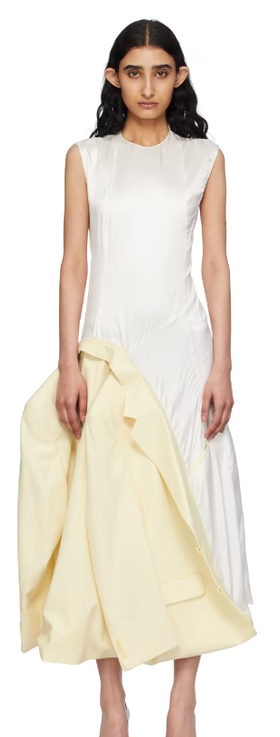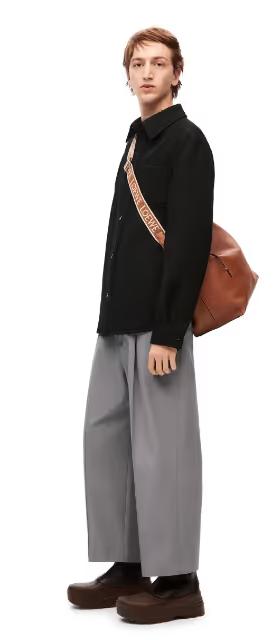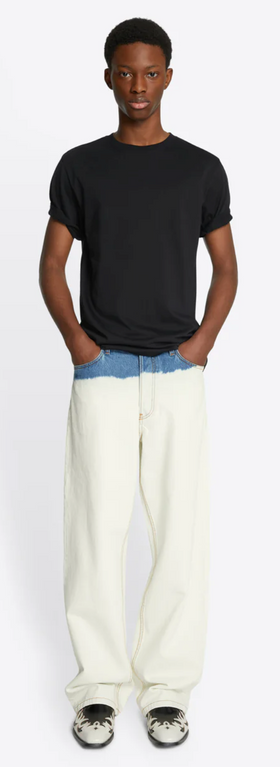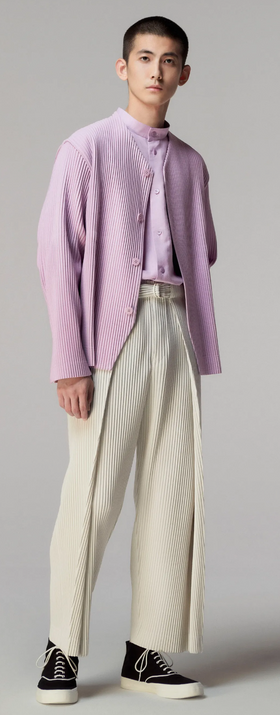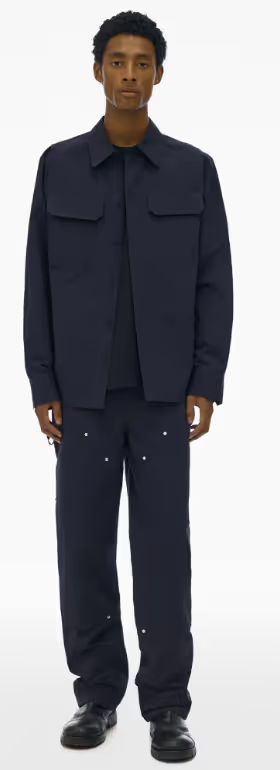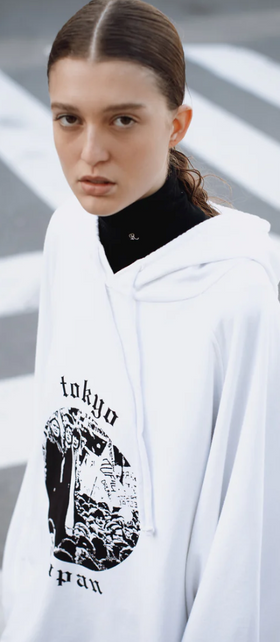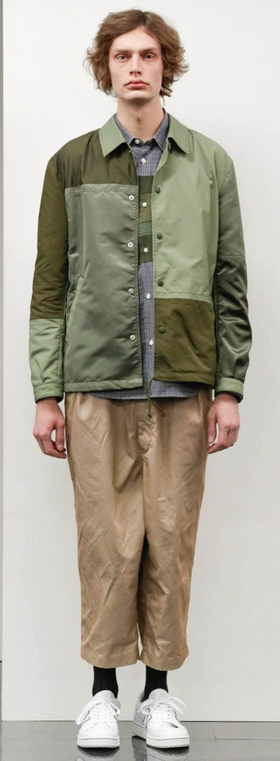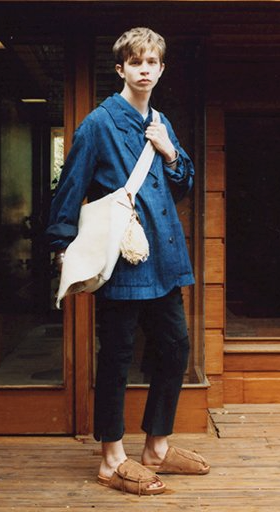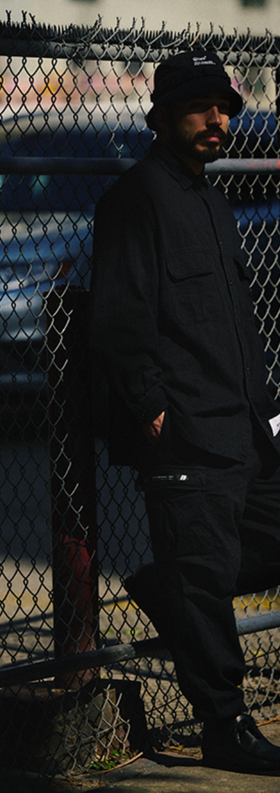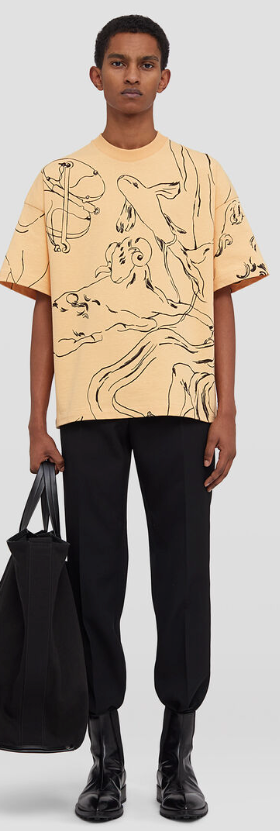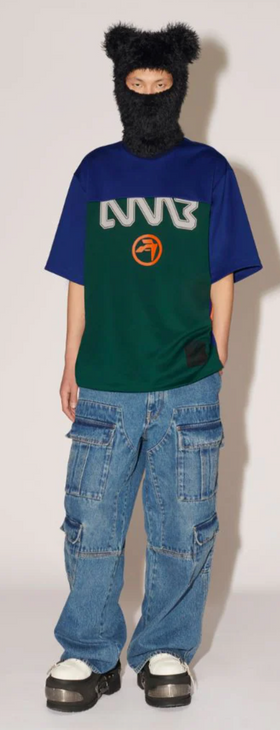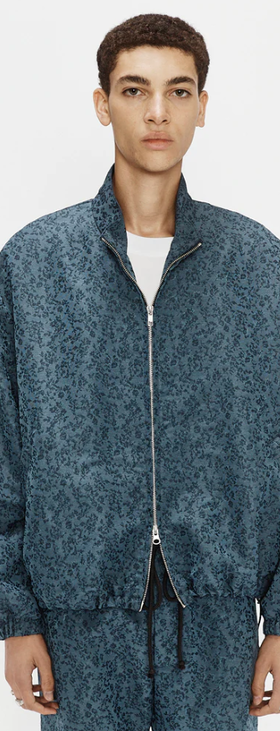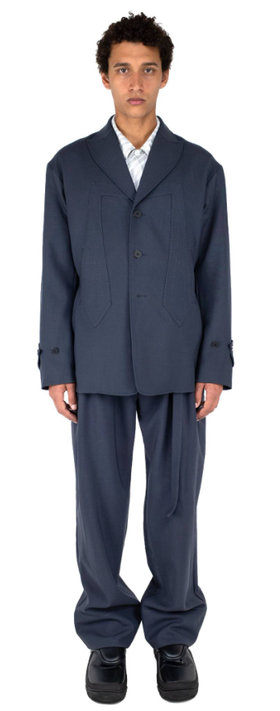
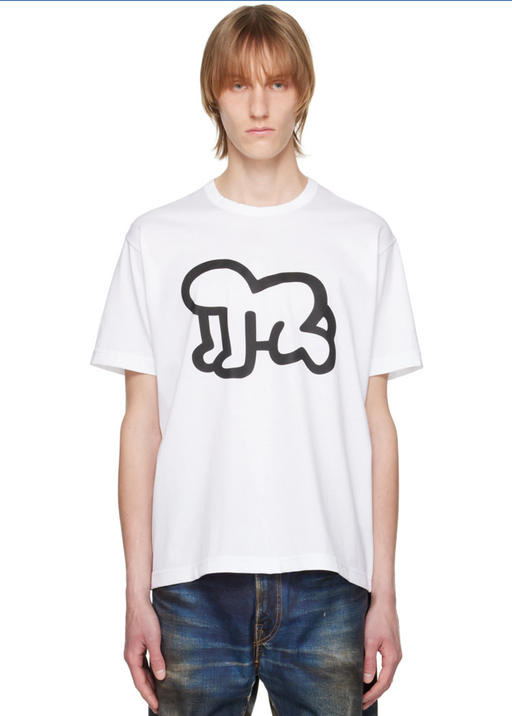

This page is for shoppers who buy Junya Watanabe for the engineering — patchwork, pleating, spliced workwear, deconstructed tailoring — and want labels working the same way. The closest matches are Comme des Garçons (the parent house), sacai (founded by a former Watanabe assistant) and Tao Comme des Garçons, with Rick Owens, Yohji Yamamoto and Craig Green covering the wider avant-garde field. A few names here, including Haider Ackermann, Raf Simons and 11 BY BORIS BIDJAN SABERI, have stopped producing and now trade on resale.
Show me
#1
Rick Owens
90% match
Avant-garde$$$$$ · Similar priceLos Angeles, United States · est. 1994Made in Italy
Independent avant-garde label founded in Los Angeles in 1994 and now based in Paris, known for draped monochrome tailoring and chunky sneakers.
Why it's similar. Both brands share a distinctive avant-garde aesthetic and focus on unique silhouettes.
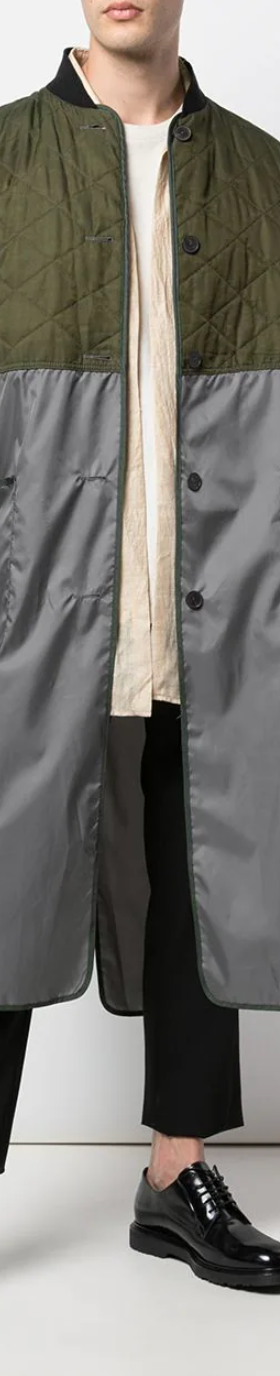
Avant-garde$$$$ · Similar priceBarcelona, Spain · est. 2013Made in Europe
Barcelona diffusion line of Boris Bidjan Saberi, blending avant-garde tailoring with skate and technical sportswear; ceased operations with the main label in July 2025.
Why it's similar. Shares avant-garde style, deconstructed silhouettes, tailored fit, luxury and technical materials, and ultra-luxury price point.
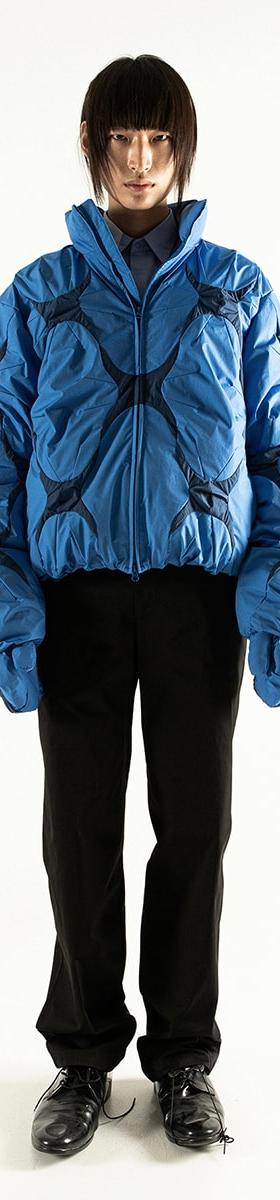
Avant-garde$$$$$ · Similar priceLondon, United Kingdom · est. 2012Made in Asia
London menswear label founded by Craig Green, known for sculptural, deconstructed workwear in quilted, strapped and padded forms.
Why it's similar. Avant-garde style with architectural, deconstructed silhouettes, bold palette and technical materials; aligns closely on silhouette and fit.
Avant-garde$$$$ · Similar priceTokyo, Japan · est. 2005
Comme des Garçons womenswear line by Tao Kurihara, built on single-theme collections of knitwear, lace and tulle in soft, volumetric silhouettes.
Why it's similar. Shares avant-garde, deconstructed, colorful and fluid designs; uses luxury and technical materials, matching on cultural positioning.
$$$$$ · Similar priceSeoul, South Korea · est. 2021Made in Asia
Seoul label founded in 2021 making naturally dyed, traditionally crafted contemporary tailoring, shirting and knitwear in muted earth tones.
Why it's similar. Seoul label applying traditional Korean salt- and mud-dye craft to soft tailoring, pleated trousers and shirting — a quieter, process-driven take on Watanabe's fabric-first approach at a similarly very high price.
$$$$$ · CheaperLondon, United Kingdom · est. 1992Made in Europe
Kering-owned London luxury house, now branded McQueen, pairing dark-romantic tailoring and skull motifs under creative director Seán McGirr.
Why it's similar. Kering-owned London house working dark romanticism, sharp tailoring and corsetry under Seán McGirr; shares Watanabe's very-high pricing and taste for conceptual runway statements rather than his workwear side.
$$$$$ · Similar priceNew York, United States · est. 2014Made in USA
New York studio founded in 2014, known for crystal-embellished evening and denim pieces built on experimental textile and hardware techniques.
Why it's similar. New York studio built on textile development and embellishment — crystal-set denim, chainmail, sculpted hardware — offering the same experimental material engineering aimed at evening rather than utility.
Antwerp-founded avant-garde house, owned by Claudio Antonioli and designed by Stefano Gallici, known for black romantic-gothic tailoring and drape.
Why it's similar. Antwerp avant-garde house with black tailoring, asymmetric drape and buckled boots; sits a tier below Watanabe on price and now runs under owner Claudio Antonioli with Stefano Gallici designing.
$$$$$ · Similar priceParis, France · est. 2009Made in France, Europe
Founder-led Paris label mixing Provençal-inflected minimalism, cropped tailoring and miniature Le Chiquito bags with theatrical outdoor runway shows.
Why it's similar. Founder-led Paris label sharing Watanabe's very-high pricing and theatrical show culture, though its cropped, sun-bleached Provençal minimalism is far softer than his technical patchwork.
$$$$ · CheaperParis, France · est. 2014Made in Europe
Paris-founded label led by Guram Gvasalia, turning workwear, merch and uniform codes into oversized, logo-heavy runway collections.
Why it's similar. Reworks workwear, uniform and merch codes into oversized runway pieces — the same source material as Junya Watanabe MAN, handled with logos and irony instead of pattern-cutting, at a high rather than very high price.
$$$$$ · Similar priceStockholm, Sweden · est. 2021Made in Europe
Stockholm label by Ellen Hodakova Larsson turning found and deadstock materials into sculptural upcycled tailoring; winner of the 2024 LVMH Prize.
Why it's similar. Stockholm label reconstructing belts, cutlery and deadstock into sculptural tailoring; the 2024 LVMH Prize winner is the closest current match for Watanabe's patchwork-as-structure thinking.
$$$$$ · Similar priceMadrid, Spain · est. 1846Made in Europe
Spanish luxury house founded in Madrid in 1846, LVMH-owned, known for craft-led leather bags and ready-to-wear now designed by McCollough and Hernandez.
Why it's similar. LVMH-owned Spanish house where craft technique drives the clothes and leather goods; comparable very-high pricing and craft obsession, now under Jack McCollough and Lazaro Hernandez.
$$$$ · CheaperLondon, United Kingdom · est. 2012Made in Europe
London label by Natalia Alaverdian making sculptural, deconstructed womenswear, shown on the Paris Fashion Week calendar.
Why it's similar. London label showing in Paris with sculptural, deconstructed cutting on shirting, coats and dresses, drawing partly on Japanese dress — a high-tier entry into Watanabe-style volume.
$$$$ · CheaperAntwerp, Belgium · est. 1986Made in Europe
Antwerp house known for clashing prints, embroidery and relaxed tailoring, now designed by Julian Klausner under majority owner Puig.
Why it's similar. Antwerp house layering clashing prints, jacquards and embroidery over relaxed tailoring; shares Watanabe's textile-led maximalism at a lower price, now designed by Julian Klausner under Puig.
Japanese house founded in 1970, known for engineered pleating, A-POC construction and Bao Bao bags across its Pleats Please and Homme Plissé lines.
Why it's similar. The other Tokyo house built on textile engineering — heat-pressed Pleats Please, A-POC single-thread construction — directly comparable to Watanabe's engineered pleating and cheaper via Homme Plissé.
$$$ · Similar priceVienna, Austria · est. 1986Made in Europe & Asia
Austrian-born, New York-based label defining 1990s minimalism through deconstructed tailoring, technical fabrics and raw-edge denim; owned by Fast Retailing.
Why it's similar. Defined 1990s deconstructed tailoring with technical fabrics and raw-edge denim; now Fast Retailing-owned and the most affordable route here at med-high pricing.
$$$$$ · Similar priceAntwerp, Belgium · est. 1995Made in Belgium & Italy
Closed Belgian label (1995–2022) from designer Raf Simons, known for slim tailoring, oversized outerwear and youth-subculture graphics.
Why it's similar. Closed in 2022 after the Spring/Summer 2023 show, but the slim tailoring, oversized parkas and subculture graphics remain a natural companion to Junya Watanabe MAN — archive pieces trade high on resale.
Rei Kawakubo's Tokyo label, founded 1969, known for avant-garde pattern-cutting, a family of sub-labels and the heart-logo Play diffusion line.
Why it's similar. Rei Kawakubo's Tokyo house is Watanabe's parent company and the source of his pattern-cutting training; unconventional volume and padding at a generally lower price, with Play as the entry point.
Hiroki Nakamura's Tokyo label applies heritage craft and natural dyes to Americana-rooted "future vintage" clothing and footwear such as the FBT moccasin-sneaker.
Why it's similar. Tokyo label rebuilding Americana and workwear with vintage looms, natural dyes and Japanese artisans — the same very-high-priced, craft-heavy treatment of the workwear references Watanabe collaborates around.
Tokyo military- and workwear-rooted label founded in 1996 by Tetsu Nishiyama, known for jungle jackets, MILT cargo trousers and muted utilitarian staples.
Why it's similar. Tetsu Nishiyama's Tokyo label reworks military and workwear patterns into jungle jackets and MILT cargos in muted, boxy proportions — Junya Watanabe MAN's territory at a med-high price.
$$$$$ · Similar priceHamburg, Germany · est. 1968Made in Europe & Asia
German-founded, Milan-based luxury house known for minimalist tailoring, now owned by OTB and designed by Simone Bellotti.
Why it's similar. OTB-owned house delivering architectural, minimalist tailoring under Simone Bellotti; the restrained counterpoint to Watanabe's patchwork at the same very-high price level.
$$$$ · Similar priceLondon, England · est. 2008Made in Japan
Tokyo label founded in 2008 by Yoon Ahn and Verbal, known for bold silver jewelry and unisex streetwear-informed ready-to-wear.
Why it's similar. Tokyo label from Yoon Ahn and Verbal pairing bold silver jewelry with unisex streetwear-cut outerwear on the Paris menswear calendar; independent again since April 2025 and priced below Watanabe.
$$ · CheaperYamaguchi, Japan · est. 1984Made in Vietnam
Fast Retailing's Japanese mass-market label, known for minimalist LifeWear basics like Heattech, AIRism and Ultra Light Down at accessible prices.
Why it's similar. Fast Retailing's mass-market Japanese basics label — the budget floor for this list, with Uniqlo U and Uniqlo:C designer lines offering the cleanest proportions for cheap layering.
Comme des Garçons-owned Japanese avant-garde label building sculptural, mostly black garments from chainmail, hardware and non-sewn construction.
Why it's similar. Comme des Garçons-owned Japanese avant-garde label building sculptural, mostly black garments from chainmail, hardware and non-sewn construction.
Seoul label deconstructing garments into asymmetric, seam-shifted technical outerwear across numbered RIGHT, CENTER and LEFT collection tiers.
Why it's similar. Seoul label deconstructing garments into asymmetric, seam-shifted technical outerwear across numbered RIGHT, CENTER and LEFT collection tiers.
$$$$London, United Kingdom · est. 2016Made in Europe
Independent London label founded in 2016, known for technical, curve-panelled menswear and a Fanning-sisters-designed womenswear line.
Why it's similar. Shares Junya Watanabe's interest in technical fabrics and workwear-derived menswear, with curved panelling, utility shirting and layered knitwear in muted palettes at a similarly high price.
Disco ranks brand alternatives using style overlap, category overlap, price tier, fit, colour palette, and cultural context. Scores are directional, not absolute. Read the full methodology →
Comme des Garçons, since Watanabe designs under its umbrella and trained as a CDG pattern cutter from 1984. For the same hybridized construction in a separate house, sacai — founded by Chitose Abe, who worked under Watanabe — is the nearest match.
What are cheaper alternatives to Junya Watanabe?
WTAPS and Helmut Lang sit in the med-high tier, and Uniqlo is the low-mid option — its Uniqlo U line, developed with Christophe Lemaire's Paris studio, gets closest to designer proportions. Comme des Garçons Play and Rick Owens DRKSHDW are cheaper routes into those houses.
Are any brands on this list no longer trading?
Yes. Haider Ackermann's own label stopped production during the pandemic and now circulates through resale and archive stockists; Raf Simons wound down after Spring/Summer 2023; and 11 BY BORIS BIDJAN SABERI ceased operations in July 2025 along with the mainline. They stay listed because the pieces are still worth buying second-hand.
What is Junya Watanabe known for?
Technical fabrics, engineered pleating, patchwork and deconstructed tailoring, plus a menswear line that reworks workwear, military and denim through long-running collaborations with The North Face, Carhartt, New Balance and Canada Goose.
Which alternatives work best for womenswear?
Tao Comme des Garçons for volumetric knitwear, lace and tulle; Ann Demeulemeester for black romantic-gothic drape; A.W.A.K.E. Mode for sculptural deconstructed shirting and coats at a high rather than very-high price; and HODAKOVA if you want upcycled, sculptural tailoring from the 2024 LVMH Prize winner.