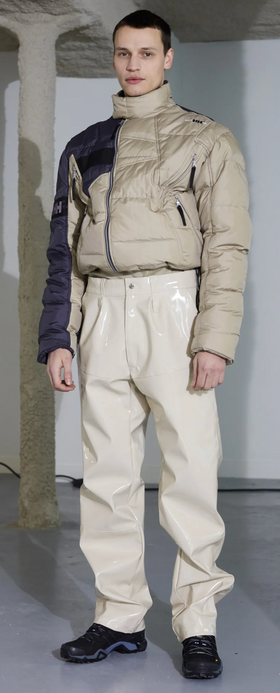
#1
gmbh
85% matchBerlin label founded in 2016 by Serhat Isik and Benjamin Huseby, merging club culture, migrant identity and sharp tailoring.
Why it's similar. Both brands are known for their avant-garde designs and deconstructed silhouettes.
 disco
discoWe compared 14 brands similar to Feng Chen Wang on fit, price and aesthetic — 3 cheaper and 4 more premium, led by gmbh and Craig Green.
If you're drawn to the innovative designs of Feng Chen Wang, you might also appreciate the styles of brands like GmbH and Craig Green, which share a commitment to avant-garde aesthetics and unique silhouettes. Y/Project offers colorful designs that resonate with those who value experimental fashion, making these brands excellent choices for anyone exploring the boundaries of contemporary menswear. Whether you're looking for deconstructed layers or bold patterns, these labels showcase a blend of creativity and craftsmanship akin to Feng Chen Wang's distinctive approach.
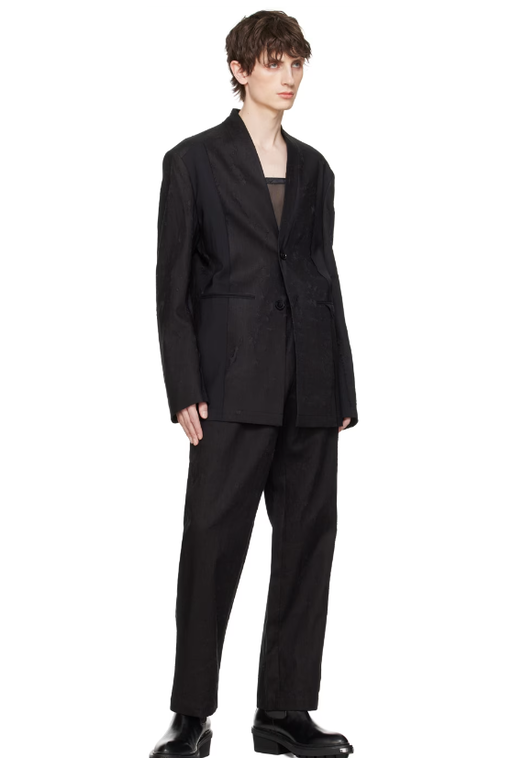
Berlin label founded in 2016 by Serhat Isik and Benjamin Huseby, merging club culture, migrant identity and sharp tailoring.
Why it's similar. Both brands are known for their avant-garde designs and deconstructed silhouettes.
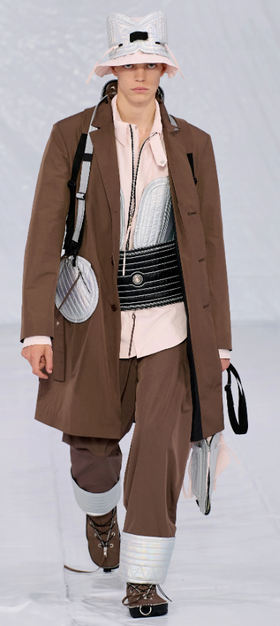
London menswear label founded by Craig Green, known for sculptural, deconstructed workwear in quilted, strapped and padded forms.
Why it's similar. Both embody avant-garde styles with unique silhouettes and sculptural elements.
What changes. Higher price, uniform/ritual workwear language over heritage references
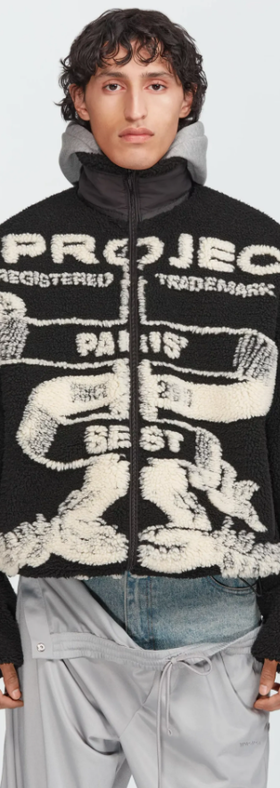
Defunct Paris label, founded 2010 and led by Glenn Martens, known for twisted denim and deconstructed, gender-fluid tailoring; ceased operations January 2025.
Why it's similar. Both brands utilize colorful palettes and deconstructed styles in their avant-garde collections.
What changes. Denim-led and now defunct; louder trompe-l'oeil styling
The weekly disco
Like these brands? Keep discovering.
One email a week — new brands worth knowing and the markdowns actually worth clicking.
Free · One email a week
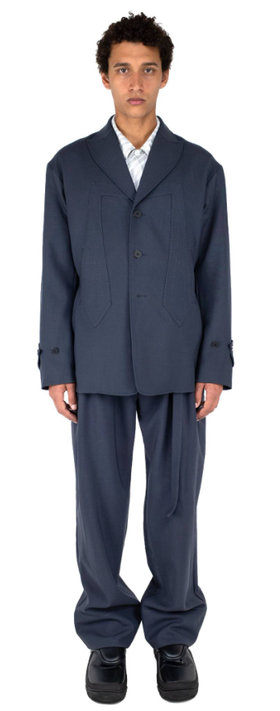
Independent London label founded in 2016, known for technical, curve-panelled menswear and a Fanning-sisters-designed womenswear line.
Why it's similar. Both feature avant-garde aesthetics and utilize luxury fabrics in their designs.
What changes. Cleaner engineered panels rather than raw split-seam deconstruction
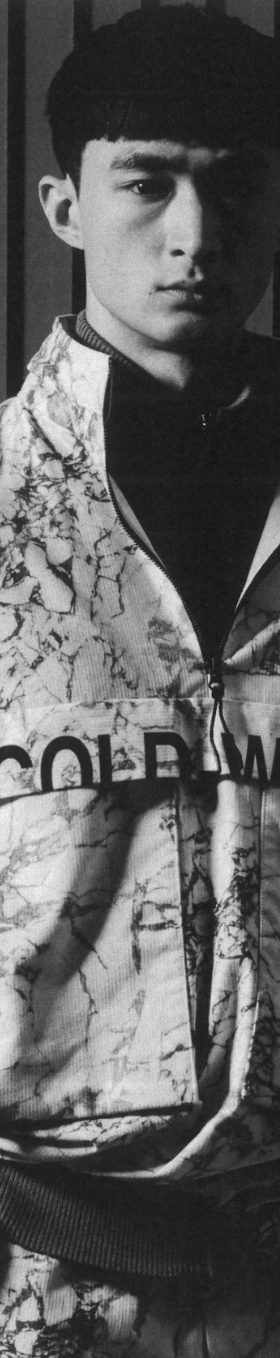
London brand founded in 2015 by Samuel Ross, pairing brutalist industrial design with technical outerwear; owned by Frasers-backed Four Marketing since late 2024.
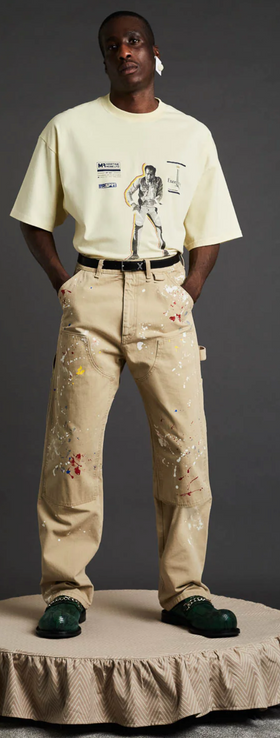
London menswear-led label founded in 2007 by Martine Rose, known for distorted proportions, rave-culture references and recurring Nike collaborations.
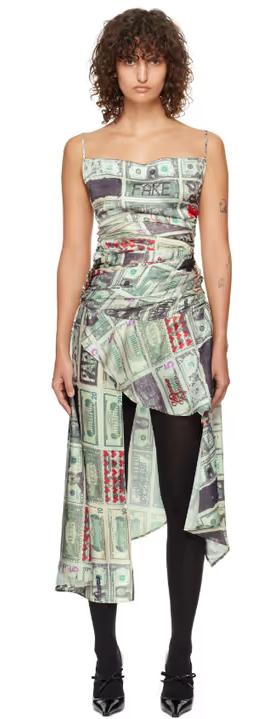
New York label turning American wardrobe staples into punk, dadaist runway pieces, from oversized boxers to logo-parody dresses.
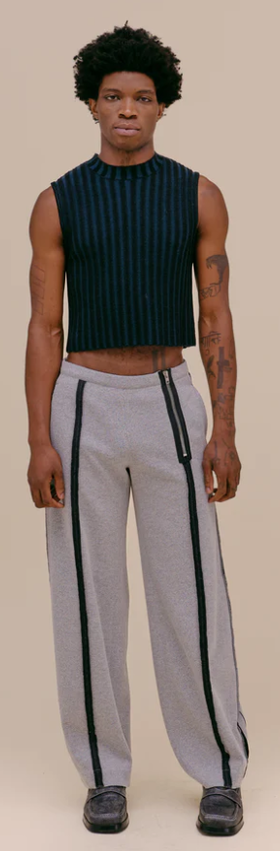
Bi-coastal American label from Mike Eckhaus and Zoe Latta, known for gender-neutral silhouettes, experimental knitwear, painted denim and art-world collaboration.
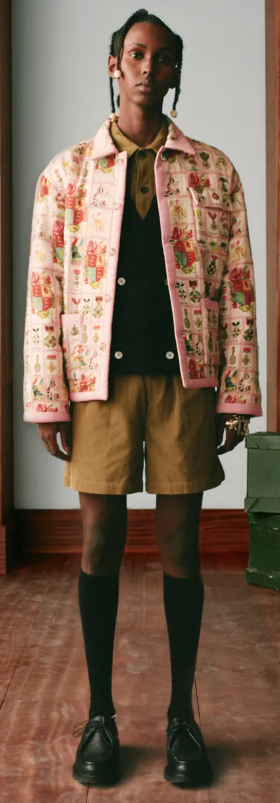
New York menswear label founded in 2016 by Emily Adams Bode Aujla, built on antique textiles and hand-embellished, often one-of-a-kind garments.
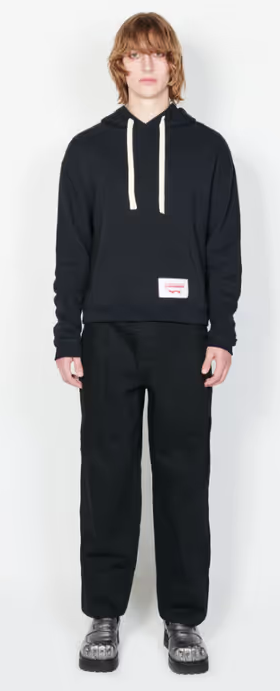
London label by Glaswegian designer Charles Jeffrey, blending British tailoring, tartan and hand-knits with queer club-culture theatrics.
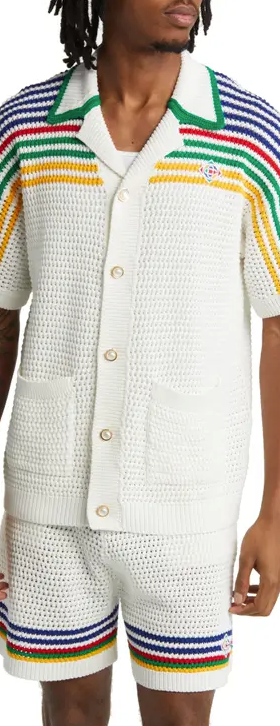
Paris luxury label founded in 2018 by Charaf Tajer, known for hand-painted silk prints and leisure-luxury tailoring rooted in his French-Moroccan heritage.
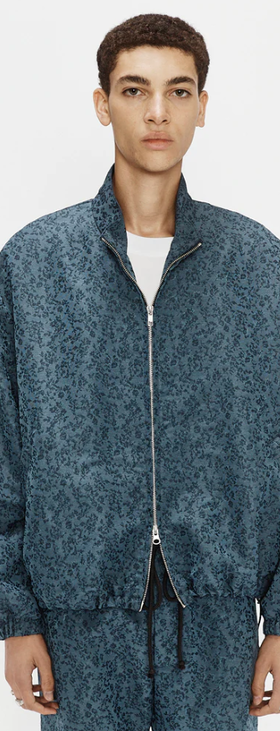
Sydney avant-garde label by Lyna Ty and Melvin Tanaya, known for fabric-led oversized tailoring and its ongoing adidas Originals collaboration.
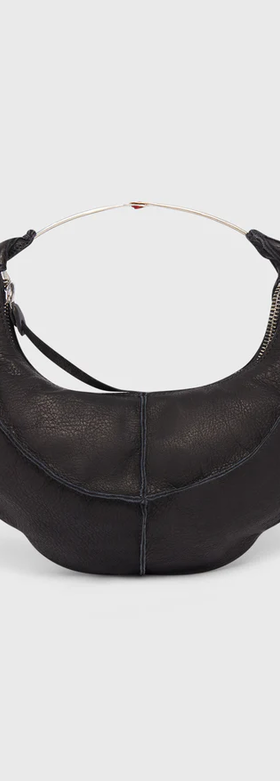
Italian avant-garde label by Maurizio Amadei, based near Rome, known for minimally seamed garments, one-piece leather bags and hand-finished footwear.
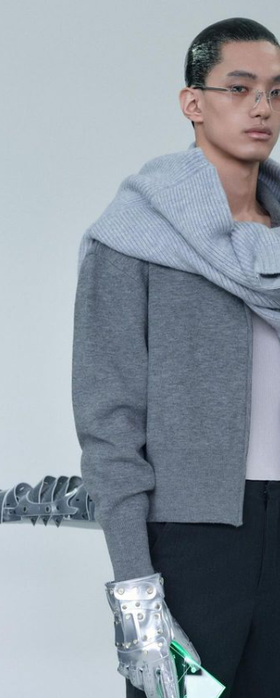
Beijing menswear label pairing speculative sci-fi concepts with modular tailoring, technical fabrics and sculptural accessories.
Why it's similar. Like Feng Chen Wang, Xander Zhou is a Chinese designer showing conceptual menswear internationally, with modular tailoring, detachable shoulder pads and technical fabrics instead of convertible layering.
Disco ranks brand alternatives using style overlap, category overlap, price tier, fit, colour palette, and cultural context. Scores are directional, not absolute. Read the full methodology →
| # | Brand | Similarity | Best for | Price |
|---|---|---|---|---|
| 1 | gmbh | 85% | Avant-garde | More premium |
| 2 | Craig Green | 84% | Avant-garde | More premium |
| 3 | Y/Project | 82% | Avant-garde | Cheaper |
| 4 | Kiko Kostadinov | 79% | Avant-garde | Similar |
| 5 | A-COLD-WALL | — | Similar | |
| 6 | Martine Rose | — | More premium | |
| 7 | VAQUERA | — | Cheaper | |
| 8 | Eckhaus Latta | — | Similar | |
| 9 | Bode | — | Similar | |
| 10 | Charles Jeffrey LOVERBOY | — | Cheaper | |
| 11 | CASABLANCA | — | More premium | |
| 12 | Song for the Mute | — | Similar | |
| 13 | M.A+ | — | Similar | |
| 14 | Xander Zhou | — | Similar |
The most similar brand to Feng Chen Wang is Thebe Magugu with an 88% match. It is known for its avant-garde style and integration of African cultural elements.
VAQUERA and Charles Jeffrey LOVERBOY offer avant-garde styles at a mid-range price tier, making them more affordable alternatives to Feng Chen Wang.
Thebe Magugu excels in incorporating rich African cultural themes, offering a unique perspective that might appeal more to consumers interested in cultural storytelling compared to Feng Chen Wang’s focus on experimental menswear.
Feng Chen Wang is celebrated for its avant-garde approach to menswear, featuring deconstructed silhouettes, bold colors, and innovative designs that push the boundaries of traditional fashion.
For budget-conscious buyers seeking styles akin to Feng Chen Wang, VAQUERA and Charles Jeffrey LOVERBOY offer innovative designs at a more accessible price range.