Home / Brands / The Top 26 Luxury Streetwear Brands
The Top 26 Luxury Streetwear Brands
Updated August 2026 · Ranked by brand similarity
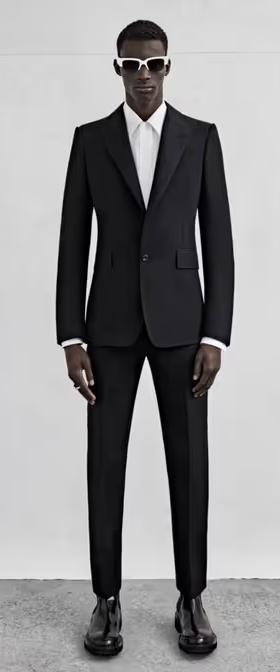
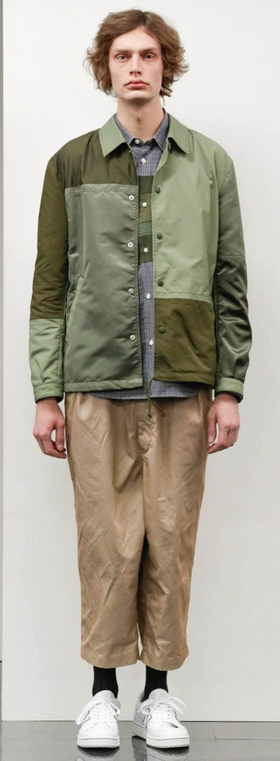
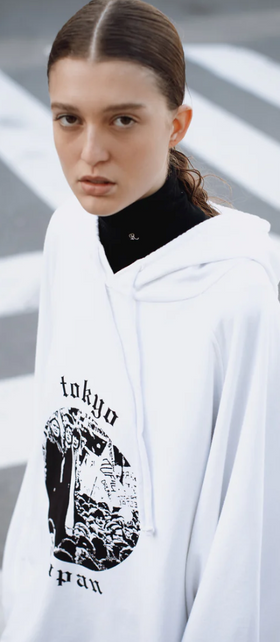
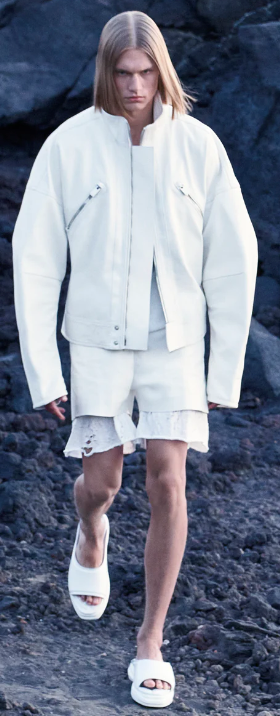
Known for their fusion of high-end fashion with urban street style, these luxury streetwear brands have created a unique and edgy aesthetic for the premium market.
These brands are often recognized for their use of premium materials, meticulous craftsmanship, and attention to detail, resulting in garments that are both stylish and durable.
With their limited edition releases and collaborations with renowned artists and designers, these brands have become synonymous with exclusivity and a sense of urban luxury.
Show me
#1
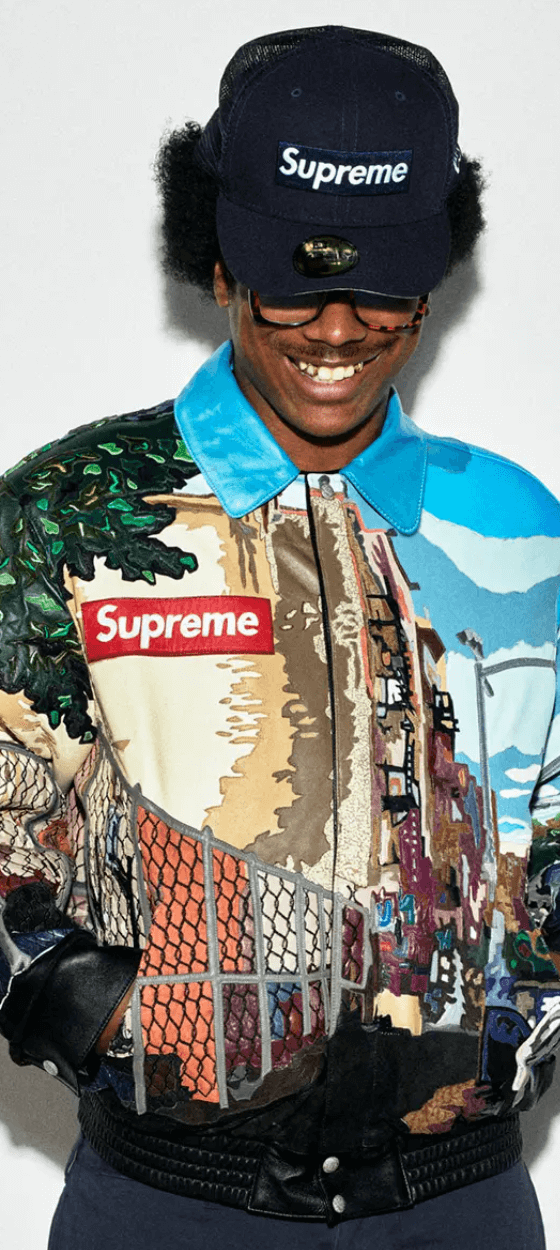
Supreme
92% match
Drop culture$$ · CheaperNew York City, United States · est. 1994Made in China, USA
New York skate and streetwear brand known for weekly box-logo drops and collaborations, owned by EssilorLuxottica since October 2024.
Why it's similar. James Jebbia opened Supreme on Lafayette Street in 1994, and its weekly box-logo drops set the resale-driven playbook every luxury streetwear label has since borrowed.
Utility uniforms$$$ · Similar priceNew York City, United States · est. 2017Made in Italy, Portugal
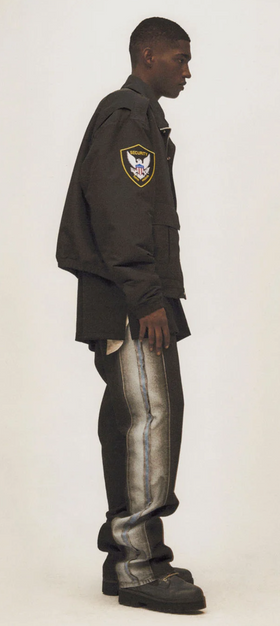
New York streetwear label built on workwear and uniform codes, independent again after founder Heron Preston bought it back from New Guards Group in 2025.
Why it's similar. Heron Preston built his namesake line on municipal uniform codes and high-visibility orange, and in July 2025 he bought the name back from New Guards Group.
Runway scale$$$$$ · More premiumSan Sebastian, Spain · est. 1919Made in Italy
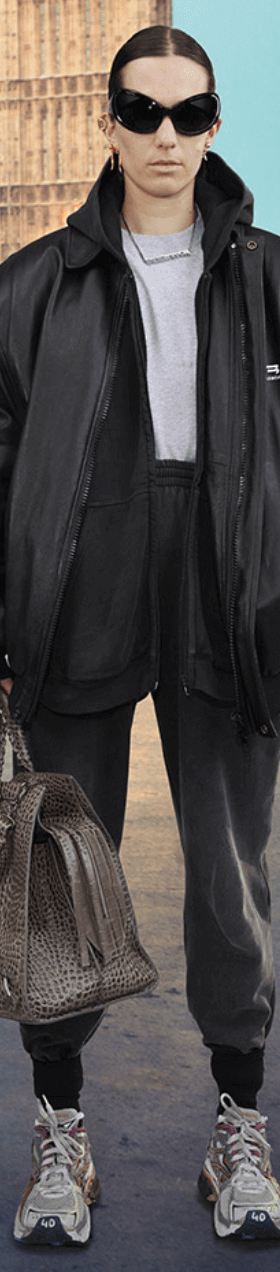
Kering-owned Parisian luxury house, founded in Spain in 1919, now led by Pierpaolo Piccioli after a decade under Demna.
Why it's similar. Cristobal Balenciaga's 1919 house became the template for luxury streetwear under Demna, and its Triple S sneakers and oversized tailoring still anchor the category from inside Kering.
On saleUp to 65% off at SSENSE and END.See sales →
The weekly disco
Like these brands? Keep discovering.
One email a week — new brands worth knowing and the markdowns actually worth clicking.
Free · One email a week
#4
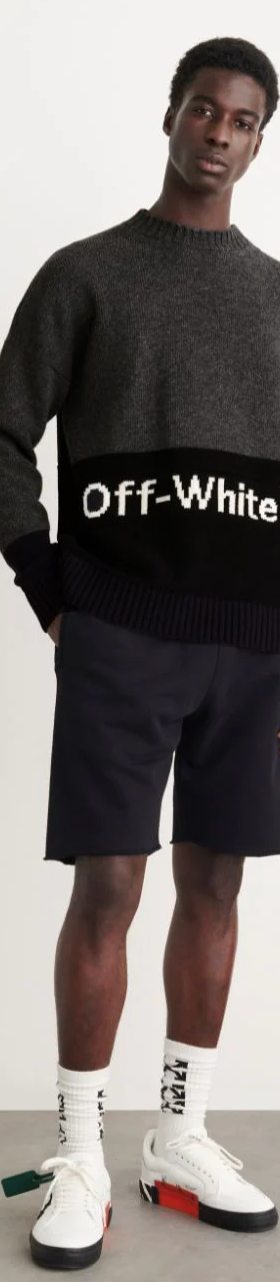
Off-White
87% match
Category definer$$$$ · Similar priceMilan, Italy · est. 2012Made in China
Milan-based luxury streetwear label founded by Virgil Abloh in 2012, majority-owned by LVMH and creatively led by Ib Kamara.
Why it's similar. Virgil Abloh launched Off-White in Milan in 2012 to put quotation marks and diagonal stripes on runway tailoring, defining the crossover this list is built around.
Industrial edge$$$$ · Similar priceLondon, United Kingdom · est. 2015Made in Italy
London brand founded in 2015 by Samuel Ross, pairing brutalist industrial design with technical outerwear; owned by Frasers-backed Four Marketing since late 2024.
Why it's similar. Samuel Ross draws A-COLD-WALL from construction sites and British working-class dress, cutting harness-strapped technical outerwear in concrete greys and manufacturing the range in Italy.
New prep$$$ · Similar priceNew York City, United States · est. 2014Made in USA
New York label founded by Teddy Santis in 2014, blending 1990s NYC streetwear with prep and Americana, plus long-running New Balance work.
Why it's similar. Teddy Santis mixes 1990s Queens streetwear with prep and Mediterranean references, and his New Balance Made in USA work gives the label a footwear anchor rivals lack.
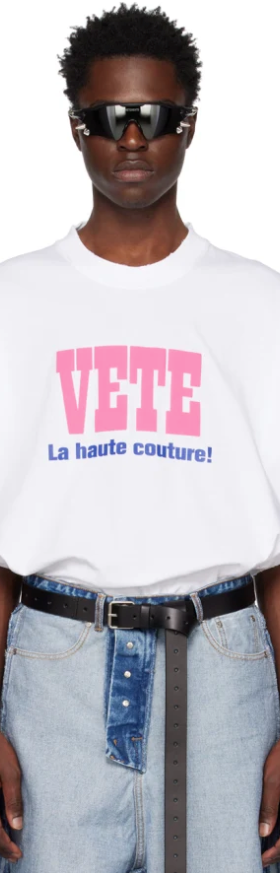
Oversized logos$$$$ · Similar priceParis, France · est. 2014Made in Portugal, Europe
Paris-founded label led by Guram Gvasalia, turning workwear, merch and uniform codes into oversized, logo-heavy runway collections.
Why it's similar. Guram Gvasalia turns band merch and corporate-uniform codes into oversized hoodies, bootcut denim and boxy leather, the loudest logo language on the Paris calendar.
Quiet fabrics$$$$ · Similar priceParis, France · est. 2015Made in Japan
Independent Tokyo label by Ryota Iwai, building relaxed menswear and womenswear around custom-developed Japanese textiles and muted colour.
Why it's similar. Ryota Iwai starts every Auralee season by developing bespoke Japanese textiles from alpaca and cashmere, offering the quietest, least logo-driven route into this price bracket.
On saleUp to 70% off at Namu Shop, Lost & Found and 2 more.See sales →
#9
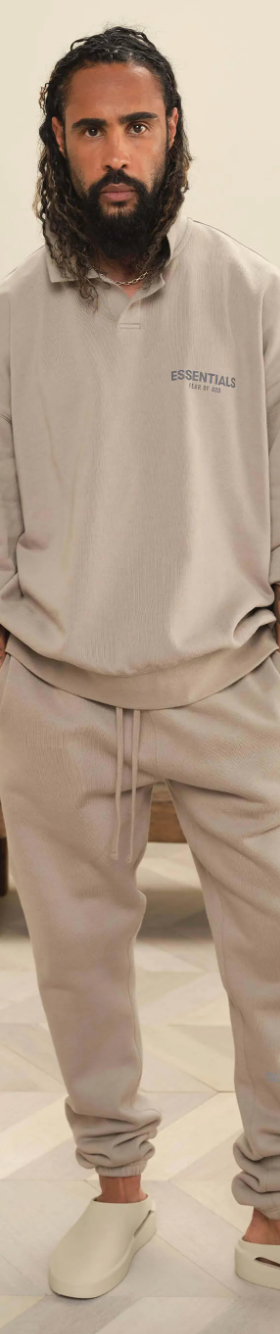
Fear of God
77% match
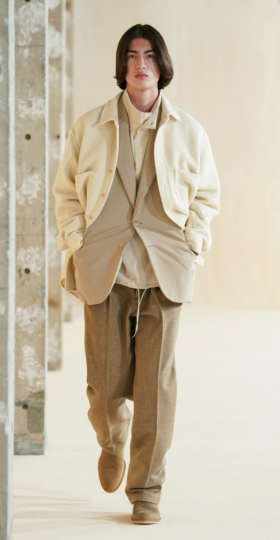
Muted luxury$$$$ · Similar priceLos Angeles, United States · est. 2013
Los Angeles label founded in 2013 by Jerry Lorenzo, pairing oversized streetwear silhouettes with luxury fabrics and muted, neutral palettes.
Why it's similar. Jerry Lorenzo started Fear of God in Los Angeles in 2013 with roughly $14,000, releasing numbered chapters of oversized hoodies and relaxed tailoring in Italian-milled fabrics.
On saleUp to 68% off at SSENSE and END.See sales →
#10
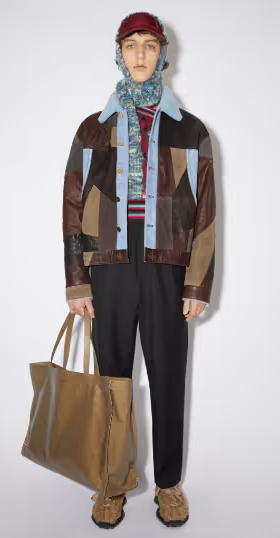
Acne Studios
75% match
Nordic tailoring$$$$ · Similar priceStockholm, Sweden · est. 1996Made in Italy
Stockholm fashion house founded in 1996 by Jonny Johansson, known for oversized tailoring, mohair knitwear, denim and the Musubi bag.
Why it's similar. Jonny Johansson's Stockholm house grew from a small run of raw denim in 1996 into Paris-shown oversized tailoring, mohair knitwear and the knotted-strap Musubi bag.
Austrian-born, New York-based label defining 1990s minimalism through deconstructed tailoring, technical fabrics and raw-edge denim; owned by Fast Retailing.
Disco ranks brand alternatives using style overlap, category overlap, price tier, fit, colour palette, and cultural context. Scores are directional, not absolute. Read the full methodology →
Common questions
Frequently Asked Questions
What are some of the top luxury streetwear brands?
Some of the top luxury streetwear brands include Supreme, Off-White, Balenciaga, and Fear of God. These brands are renowned for their ability to blend high-end fashion with urban street style, creating garments that are both exclusive and stylish.
Are there any affordable alternatives to luxury streetwear brands?
While luxury streetwear brands like Heron Preston and Rick Owens are known for their premium pricing, brands such as Aimé Leon Dore and Acne Studios offer pieces that are relatively more affordable yet maintain a high level of quality and style. Exploring seasonal sales or collaboration pieces can also provide more budget-friendly options.
What makes luxury streetwear brands like Off-White unique?
Luxury streetwear brands like Off-White are unique for their innovative designs and cultural relevance, often incorporating bold graphics and unconventional materials. Their collaborations with artists and designers further enhance their distinctiveness in the fashion world.
Is Supreme worth the investment?
Supreme is often considered worth the investment due to its iconic status and limited-edition releases that maintain high resale value. Its collaborations with other renowned brands and artists also contribute to its reputation as a sought-after luxury streetwear brand.
Where can I buy luxury streetwear brands online?
You can purchase luxury streetwear brands like Balenciaga and Comme des Garçons online through high-end retailers such as Farfetch, SSENSE, and Net-a-Porter. These platforms offer a wide selection of the latest collections and exclusive pieces.