 #1
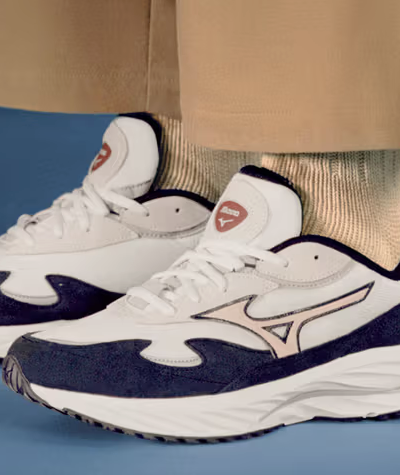
#1Mizuno
Osaka sportswear and equipment maker founded in 1906, known for Wave-cushioned running shoes, baseball gloves and archive-driven Sportstyle sneakers.
 disco#1
Osaka sportswear and equipment maker founded in 1906, known for Wave-cushioned running shoes, baseball gloves and archive-driven Sportstyle sneakers.
 #2
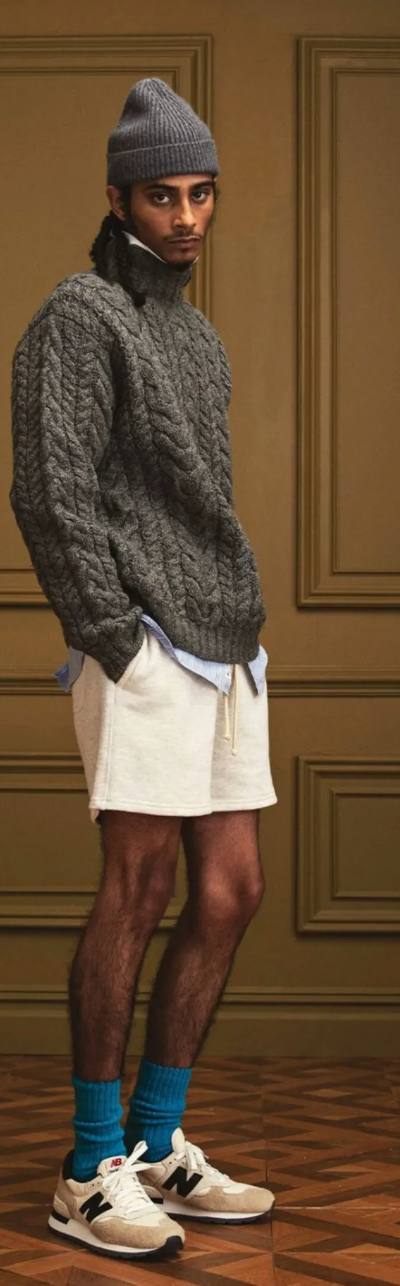
#2Boston-founded, family-owned athletic brand making performance running shoes and lifestyle sneakers such as the 990 series, 574 and 2002R.
 #3
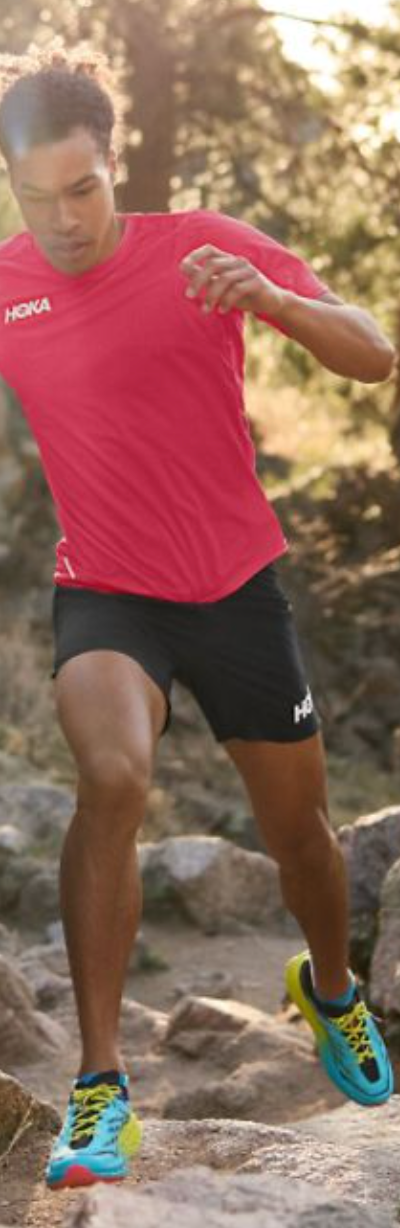
#3French-born, Deckers-owned running brand known for maximalist, heavily cushioned shoes like the Clifton, Bondi and Speedgoat.
 #4
#4German sportswear giant behind the three stripes, known for Samba, Gazelle and Superstar sneakers, football kits and designer lines like Y-3.
The weekly disco
Like these brands? Keep discovering.
One email a week — new brands worth knowing and the markdowns actually worth clicking.
Free · One email a week
 #5
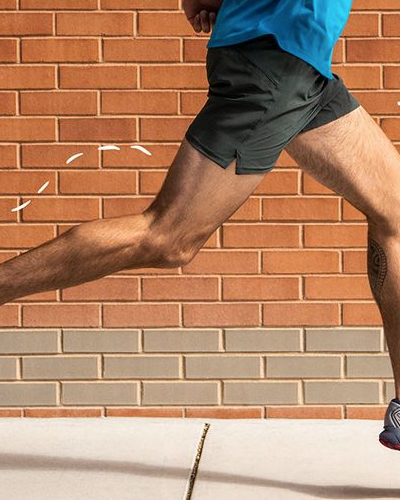
#5Seattle-based performance running brand owned by Berkshire Hathaway, known for the Ghost, Glycerin, Adrenaline GTS and Hyperion shoe franchises.
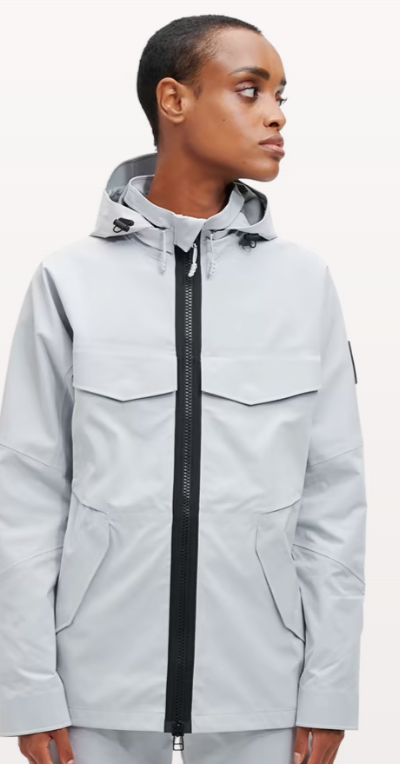 #6
#6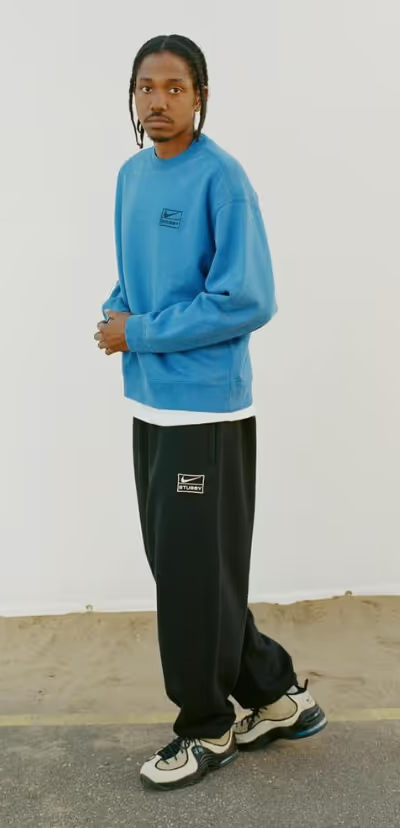 #7
#7American sportswear giant behind Air Force 1, Air Max, Dunk, Jordan and Converse, now rebuilding around a sport-led strategy.
 #8
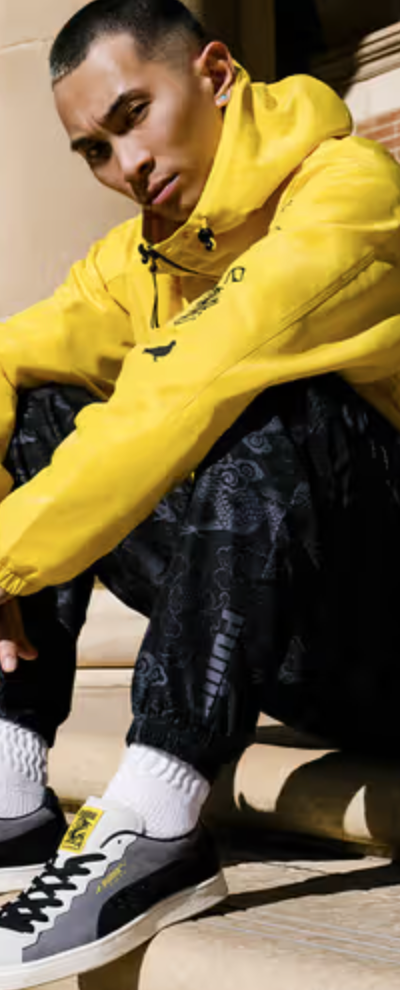
#8German sportswear company making football, running and motorsport gear plus retro lifestyle sneakers such as the Suede, Palermo and Speedcat.
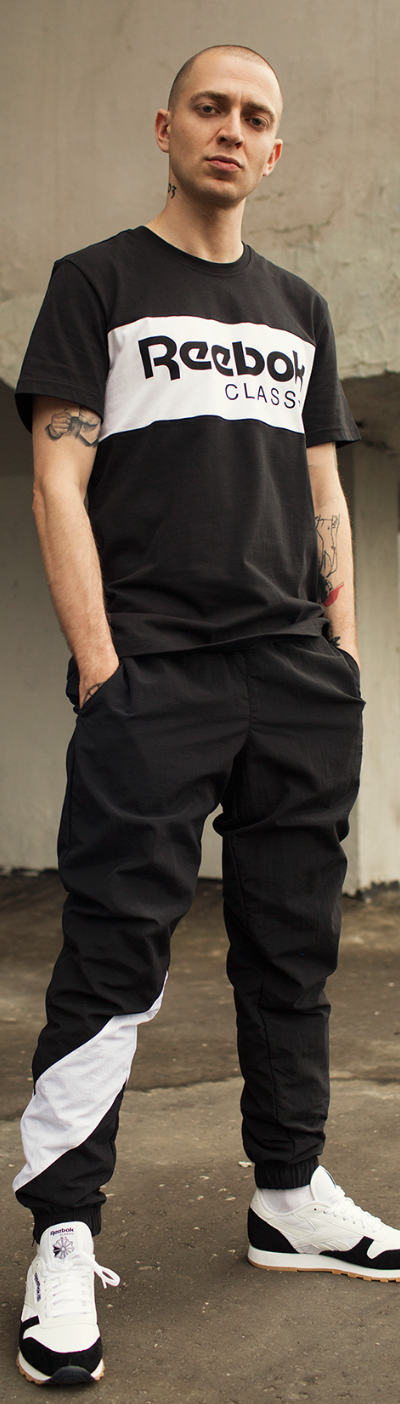 #9
#9British-founded, Boston-based sportswear brand owned by Authentic Brands Group, known for Club C and Classic Leather sneakers, the Pump and Nano training shoes.
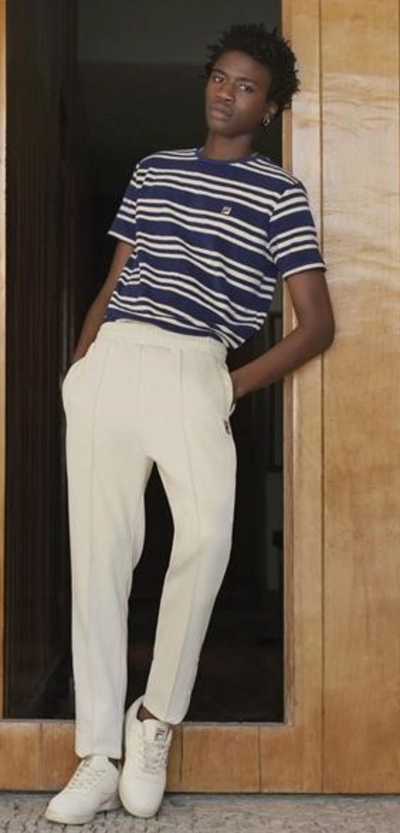 #10
#10Italian-founded, Korean-owned sportswear brand known for retro tennis styling, bold logos and chunky sneakers like the Disruptor II.
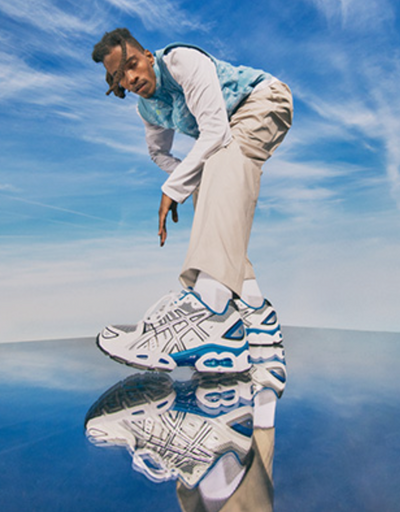 #11
#11Japanese performance running brand from Kobe, known for GEL cushioning and archive Sportstyle sneakers like the Gel-1130 and Gel-Kayano 14.
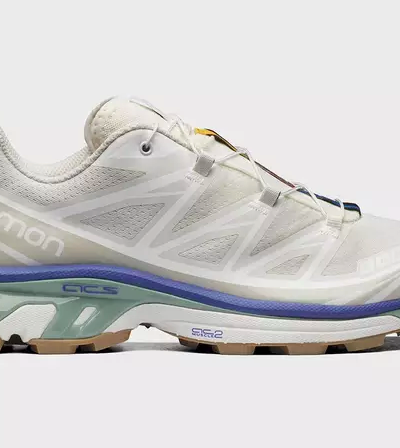 #12
#12French outdoor brand from Annecy known for ski and trail-running gear, whose XT-6 and Speedcross shoes became gorpcore streetwear staples.
 #13
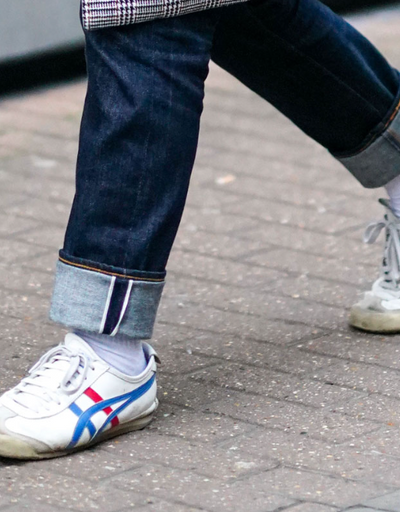
#13Japanese heritage sneaker and lifestyle label owned by Asics, best known for the retro Mexico 66 trainer.
 #14
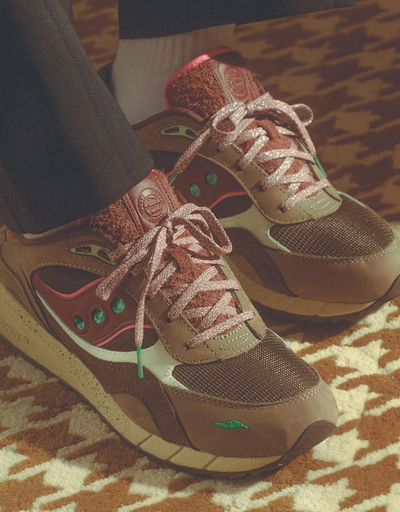
#14American running brand owned by Wolverine World Wide, known for PWRRUN-cushioned performance shoes and Originals reissues of its 1980s runners.
 #15
#15British shoemaker founded in 1825, known for the crepe-soled Desert Boot and Wallabee and now majority-owned by Hong Kong-listed Viva Goods.
When it comes to performance and comfort in footwear, few brands stand out like Brooks. Known for their exceptional fit and supportive silhouettes, Brooks shoes utilize advanced materials that cater to runners of all levels. From lightweight designs that enhance speed to cushioned options perfect for long-distance journeys, their aesthetic is a perfect blend of functionality and style. Whether you are hitting the trails or the pavement, Brooks provides the ultimate in both durability and design.
Brands like Mizuno and New Balance resonate with the same mission of enhancing athletic performance while prioritizing comfort and style. Hoka One One offers unique cushioning technology that elevates the running experience, while Adidas combines innovative materials with striking designs that appeal to a broad audience. If you are looking to discover more brands that align with this ethos, dive into our curated list to find the perfect partner for your next adventure.
Some of the best shoe brands similar to Brooks, known for their focus on running and athletic performance, include Mizuno, Hoka One One, and Saucony. These brands offer high-quality athletic footwear with an emphasis on comfort and durability.
If you're looking for more budget-friendly options, consider brands like Fila and Puma. These brands offer a range of athletic shoes that provide good performance at a more accessible price point.
Brooks shoes are unique due to their specialized focus on running, incorporating advanced technologies for cushioning and support. They are particularly renowned for their BioMoGo DNA and DNA LOFT cushioning systems, which adapt to your stride for a custom feel.
Mizuno is worth considering if you value innovative design and wave plate technology, which provides enhanced stability and cushioning. While Brooks focuses on adaptive cushioning, Mizuno offers a different feel that many runners appreciate for its responsiveness and support.
You can purchase Brooks and similar shoe brands such as ASICS, Nike, and Adidas online through major retailers like Amazon, Zappos, and the official brand websites. These platforms often provide a wide selection of styles and sizes to choose from.