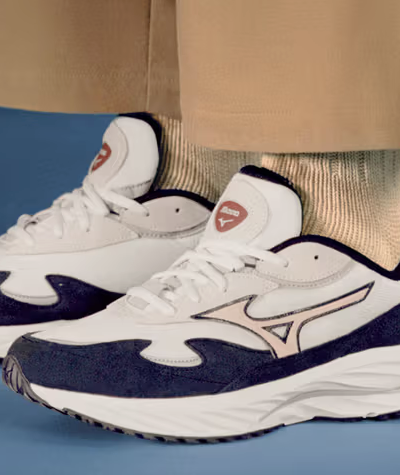
 #1
#1Mizuno
Osaka sportswear and equipment maker founded in 1906, known for Wave-cushioned running shoes, baseball gloves and archive-driven Sportstyle sneakers.
 disco#1
Osaka sportswear and equipment maker founded in 1906, known for Wave-cushioned running shoes, baseball gloves and archive-driven Sportstyle sneakers.
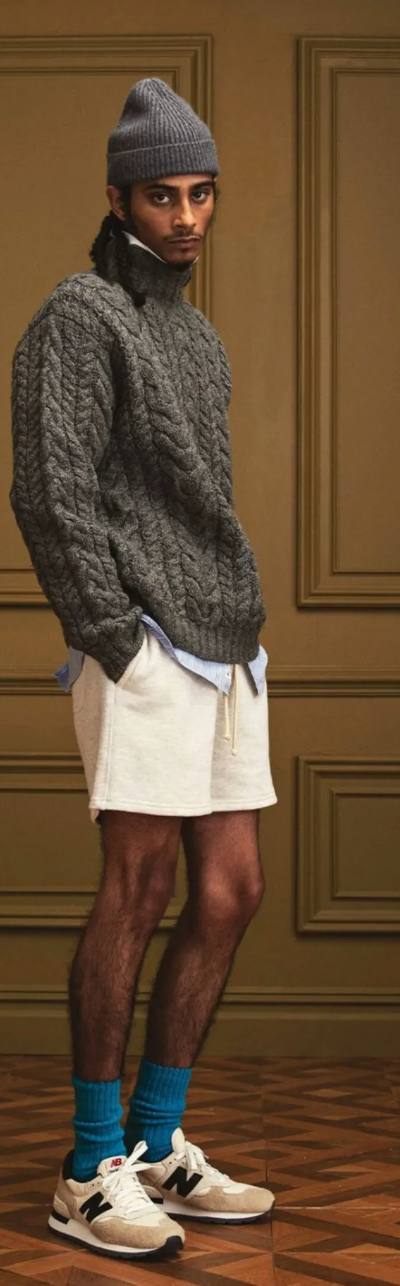 #2
#2Boston-founded, family-owned athletic brand making performance running shoes and lifestyle sneakers such as the 990 series, 574 and 2002R.
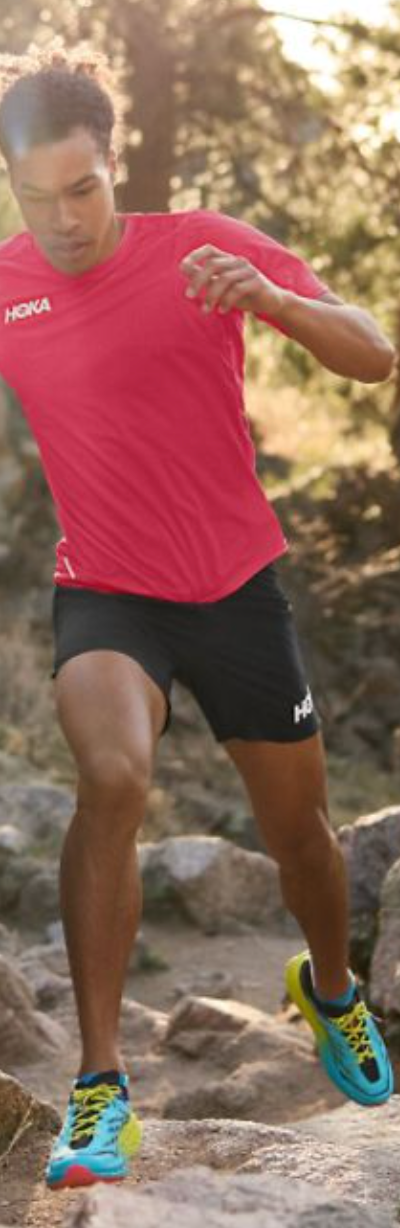 #3
#3French-born, Deckers-owned running brand known for maximalist, heavily cushioned shoes like the Clifton, Bondi and Speedgoat.
 #4
#4German sportswear giant behind the three stripes, known for Samba, Gazelle and Superstar sneakers, football kits and designer lines like Y-3.
The weekly disco
Like these brands? Keep discovering.
One email a week — new brands worth knowing and the markdowns actually worth clicking.
Free · One email a week
 #5
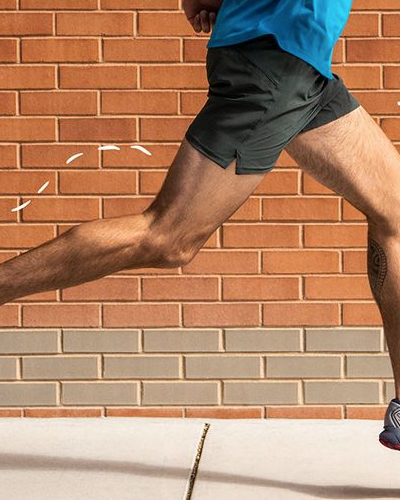
#5Seattle-based performance running brand owned by Berkshire Hathaway, known for the Ghost, Glycerin, Adrenaline GTS and Hyperion shoe franchises.
 #6
#6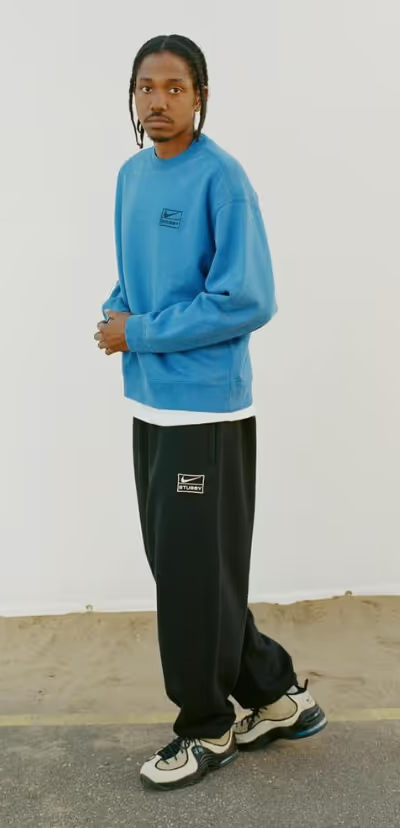 #7
#7American sportswear giant behind Air Force 1, Air Max, Dunk, Jordan and Converse, now rebuilding around a sport-led strategy.
 #8
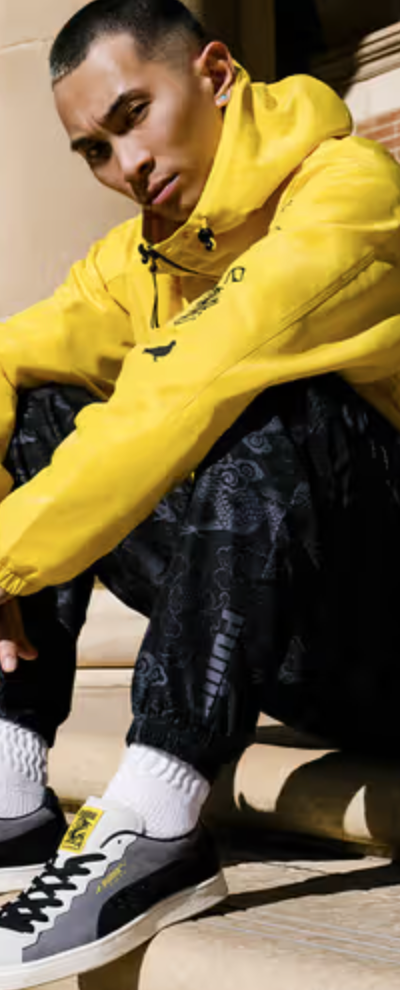
#8German sportswear company making football, running and motorsport gear plus retro lifestyle sneakers such as the Suede, Palermo and Speedcat.
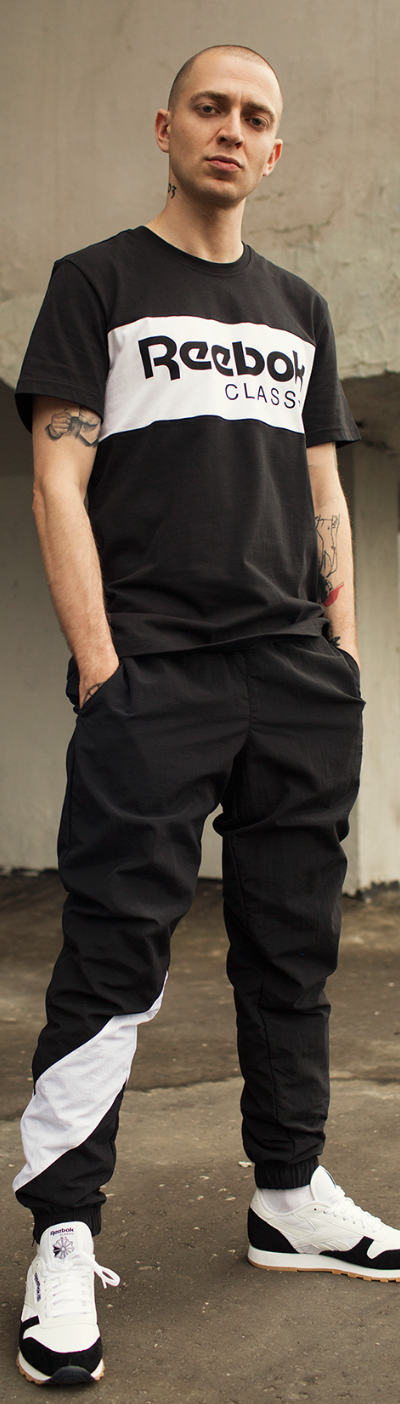 #9
#9British-founded, Boston-based sportswear brand owned by Authentic Brands Group, known for Club C and Classic Leather sneakers, the Pump and Nano training shoes.
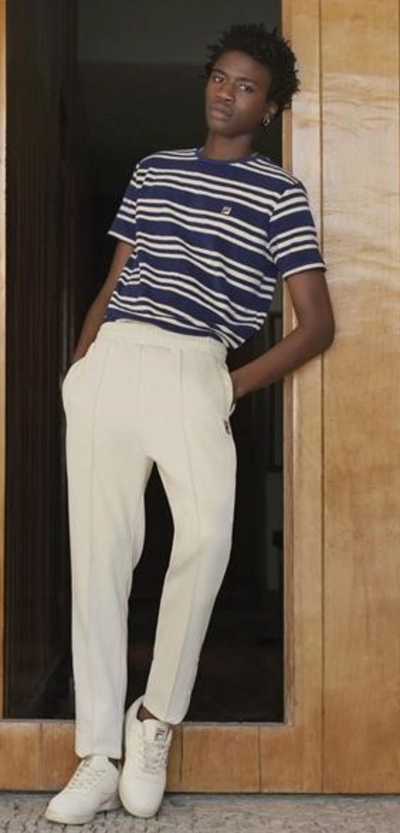 #10
#10Italian-founded, Korean-owned sportswear brand known for retro tennis styling, bold logos and chunky sneakers like the Disruptor II.
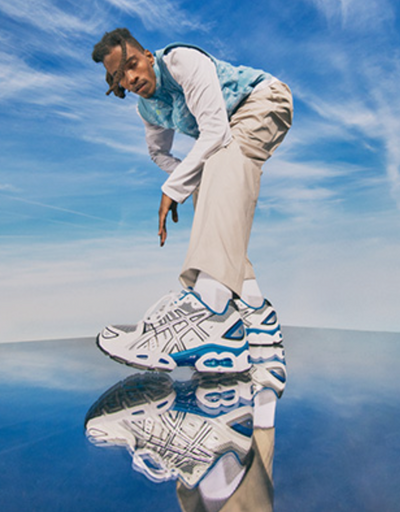 #11
#11Japanese performance running brand from Kobe, known for GEL cushioning and archive Sportstyle sneakers like the Gel-1130 and Gel-Kayano 14.
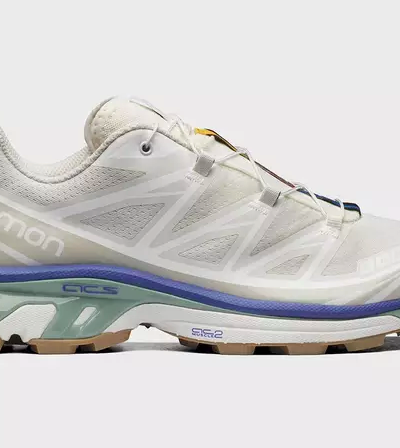 #12
#12French outdoor brand from Annecy known for ski and trail-running gear, whose XT-6 and Speedcross shoes became gorpcore streetwear staples.
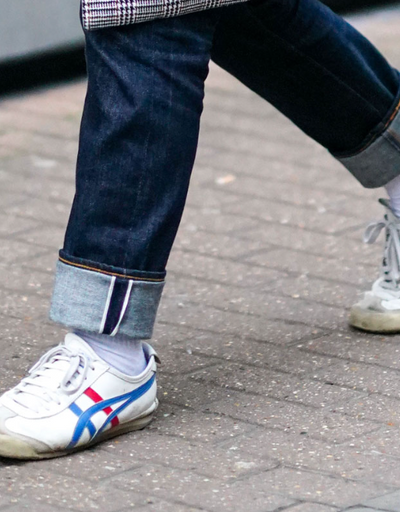 #13
#13Japanese heritage sneaker and lifestyle label owned by Asics, best known for the retro Mexico 66 trainer.
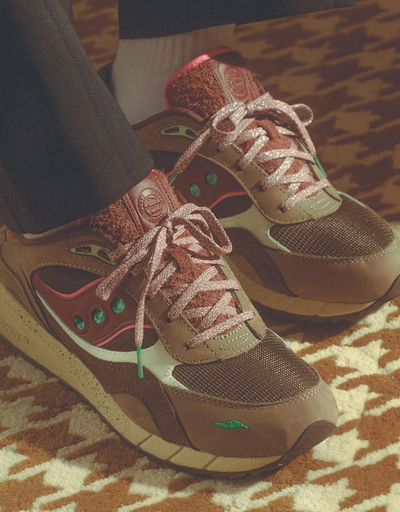 #14
#14American running brand owned by Wolverine World Wide, known for PWRRUN-cushioned performance shoes and Originals reissues of its 1980s runners.
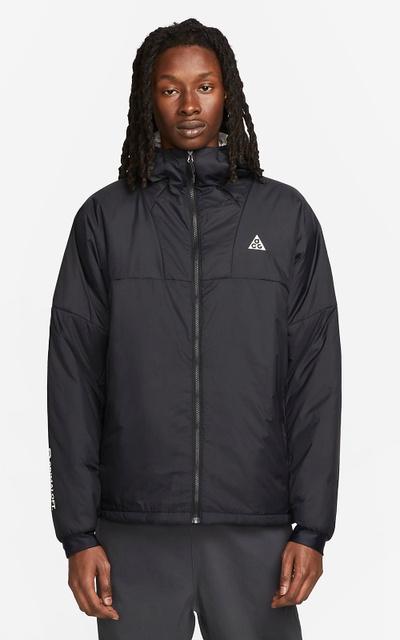 #15
#15Nike's All Conditions Gear line, making GORE-TEX outerwear and technical trail footwear for the outdoors since 1989.
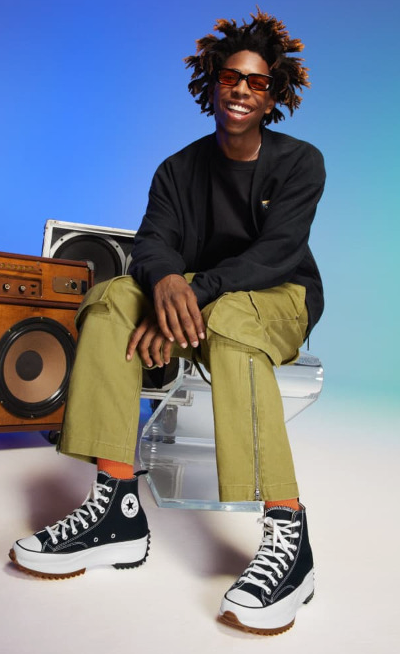 #16
#16American sneaker brand behind the Chuck Taylor All Star, Nike-owned since 2003 and currently working through a steep multi-year sales decline.
In the world of contemporary footwear, brands like New Balance have become synonymous with performance, style, and comfort. Their designs often feature clean lines and a perfect melding of form and function, utilizing high-quality materials for both durability and breathability. These shoes embody a sporty aesthetic while offering a fit that is tailored for all-day wear, whether you're hitting the pavement for a run or exploring the city on foot. The silhouettes range from classic to modern, making them versatile enough for both athletic pursuits and casual outings.
Brands such as Mizuno, Hoka One One, and Adidas resonate with the same ethos, delivering innovative designs that prioritize comfort and functionality without compromising on style. Each of these labels embodies a commitment to craftsmanship and caters to a dedicated audience of athletes and trendsetters alike. As you explore our curated list, you'll discover a variety of shoe brands that capture the essence of what makes New Balance a staple in modern footwear.
When looking for brands similar to New Balance, consider Brooks and Saucony, both of which offer high-quality athletic footwear with a focus on comfort and performance. These brands are well-regarded for their durability and innovative designs, making them excellent alternatives for fitness enthusiasts.
If you're searching for more budget-friendly options, consider Fila and Puma. These brands provide a variety of athletic shoes that don't compromise on style or functionality, often at a lower price point compared to New Balance.
New Balance shoes are renowned for their exceptional comfort, often achieved through advanced cushioning technology and supportive designs. The brand's commitment to producing half sizes and multiple width options ensures a perfect fit for various foot shapes, setting them apart in the athletic footwear market.
Mizuno is known for its innovative Wave technology, offering excellent cushioning and stability, making it a worthy competitor to New Balance. While both brands excel in creating high-performance athletic footwear, the choice may come down to personal fit and specific athletic needs.
You can purchase New Balance shoes from their official website as well as major online retailers like Amazon, Zappos, and Foot Locker. Additionally, check out specialized sporting goods stores such as Dick's Sporting Goods for a wide selection of their products.