#1
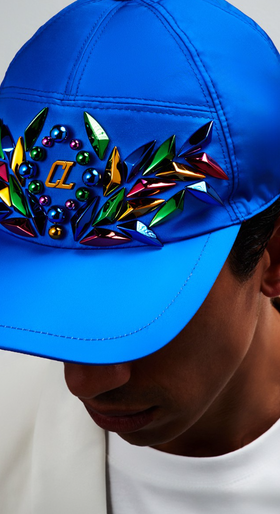
Christian Louboutin
Parisian luxury shoe and accessories house, founded 1992, defined by its trademarked red lacquered sole and Italian-made stilettos and sneakers.
 disco
discoWe compared 5 brands similar to Manolo Blahnik on fit, price and aesthetic — across a range of price points, led by Christian Louboutin and Roger Vivier.
If you admire the elegance of Manolo Blahnik, you might also find affinity with other luxury brands like Tom Ford, Prada, and Bottega Veneta. Each of these brands embodies quality craftsmanship and luxurious materials, catering to those who appreciate refined and sophisticated fashion. From Tom Ford's contemporary elegance to Prada's minimalist designs and Bottega Veneta's signature leatherwork, brands like Manolo Blahnik are perfect for anyone looking to elevate their wardrobe with timeless luxury.
Parisian luxury shoe and accessories house, founded 1992, defined by its trademarked red lacquered sole and Italian-made stilettos and sneakers.
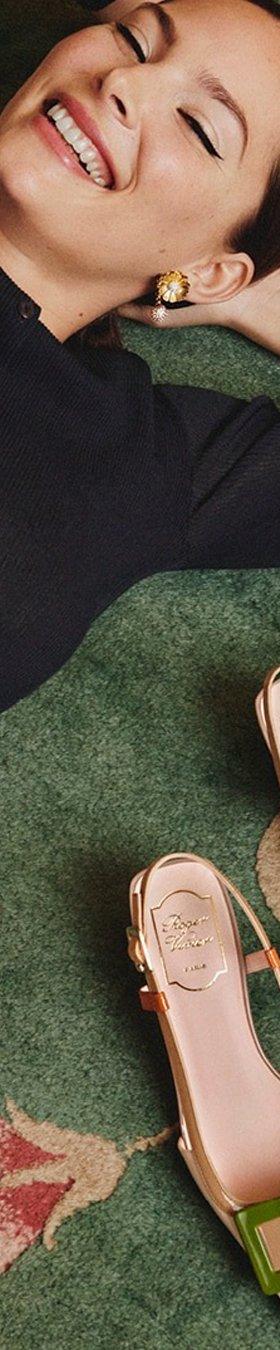
Parisian luxury shoe house behind the modern stiletto and the buckled Belle Vivier pump, owned by Italy's Tod's Group.
Why it's similar. Parisian luxury shoe house behind the modern stiletto and the buckled Belle Vivier pump, owned by Italy's Tod's Group.
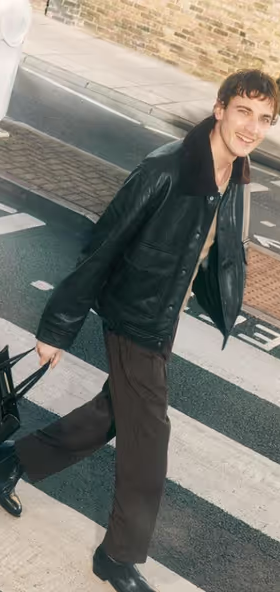
British luxury house known for red-carpet stilettos, crystal-trimmed sandals and handbags, designed by founding director Sandra Choi and owned by Capri Holdings.
Why it's similar. Like Manolo Blahnik, Jimmy Choo is a London-founded luxury shoemaker built on stilettos and crystal-embellished evening sandals, with pumps such as Romy sitting at comparable prices.
The weekly disco
Like these brands? Keep discovering.
One email a week — new brands worth knowing and the markdowns actually worth clicking.
Free · One email a week
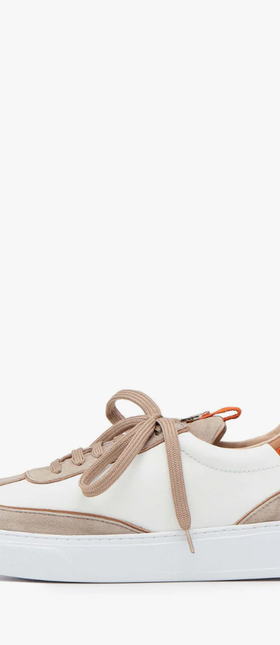
Portuguese luxury label making handmade women's and men's shoes and accessories, known for sculptural heels worn by Queen Letizia and Michelle Obama.
Why it's similar. Near-identical luxury footwear positioning with a focus on high-quality materials and craftsmanship.
What changes. Portuguese production, far lower profile and price
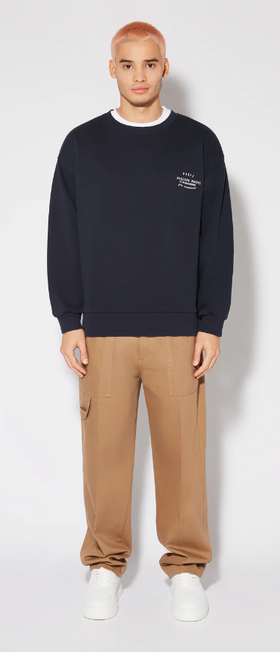
French-founded, Italian-made sneaker label known for chunky Tropez and Prsx styles, acquired by Veneto group Swinger International in December 2025.
Why it's similar. Luxury footwear brand with an emphasis on craftsmanship and style.
Accessories, eyewear and adjacent labels with the same sensibility as Manolo Blahnik — a complement, not a substitute for the clothing.
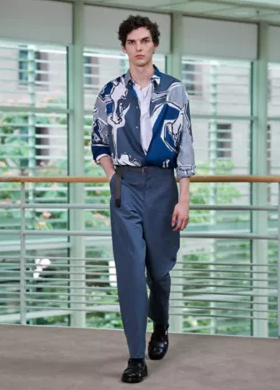
Paris luxury house founded in 1837, still family-controlled, known for Birkin and Kelly leather bags and silk carré scarves.
Why it's similar. Both are prestigious brands known for their luxury status, exquisite materials, and sophisticated style.
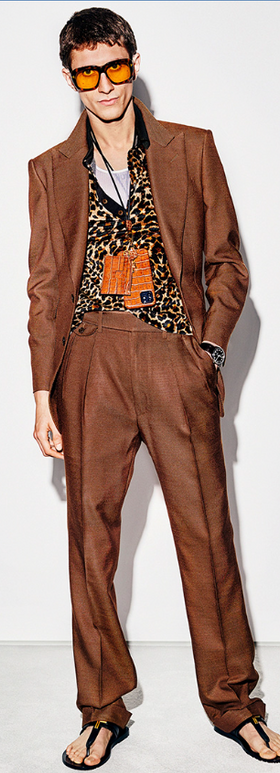
Luxury house founded by Tom Ford in 2005, known for evening tailoring, sunglasses and fragrance; now Estée Lauder-owned with Haider Ackermann as creative director.
Why it's similar. Both brands focus on luxury and showcase sophisticated, tailored designs.
What changes. Tailoring, beauty and fragrance breadth
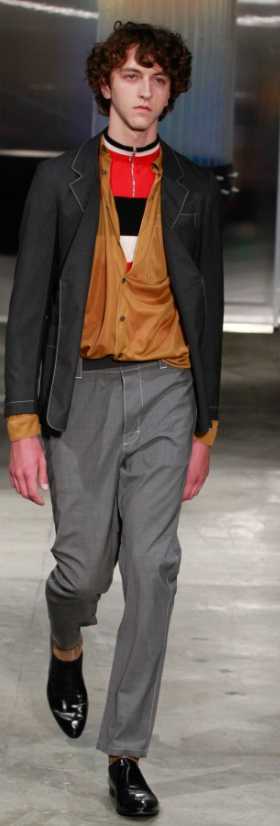
Milanese luxury house founded in 1913, led creatively by Miuccia Prada and Raf Simons and known for nylon bags and cerebral tailoring.
Why it's similar. Prada's chunky loafers and Saffiano leather come from a Milan house founded in 1913, where Miuccia Prada and Raf Simons treat footwear as the sharpest expression of a collection.
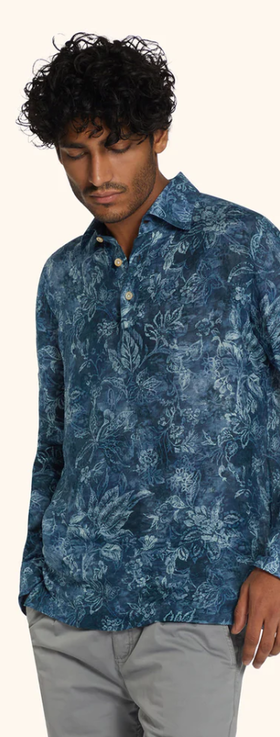
Kiton is a family-owned Neapolitan house making hand-tailored suits, shirts and knitwear in cashmere, vicuna and superfine wool at luxury prices.
Why it's similar. Emphasis on luxury materials, tailored silhouettes, and sophisticated design ethos.
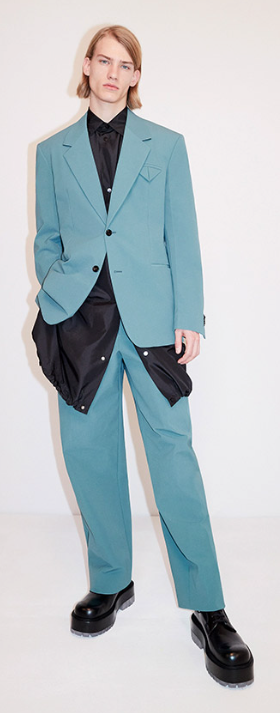
Italian luxury house known for Intrecciato woven leather, logo-free design and bags such as the Jodie, Cassette and Andiamo.
Why it's similar. Both brands emphasize high-quality luxury materials and craftsmanship in their designs.
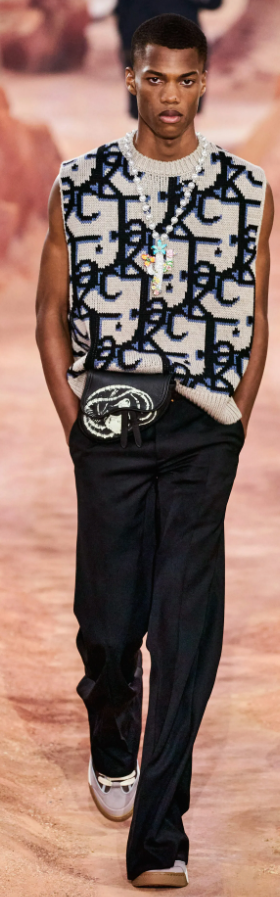
Dior Men, formerly Dior Homme, is the LVMH-owned Paris menswear line of Christian Dior, led by Jonathan Anderson since 2025.
Why it's similar. Both brands create luxurious pieces with an emphasis on tailored fit and high standards of quality.
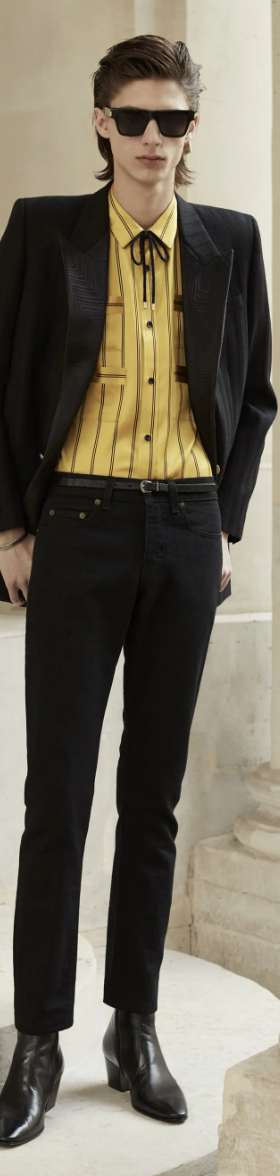
Kering-owned Paris luxury house, founded 1961, led by Anthony Vaccarello and known for sharp tailoring, leather outerwear and Loulou and Kate bags.
Why it's similar. Both brands capture the essence of luxury and sophistication in their structured designs.
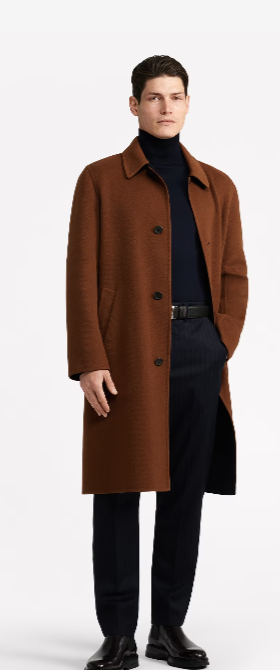
Dunhill is a Richemont-owned British luxury menswear house, founded in 1893, known for Savile Row-inflected tailoring, outerwear and leather goods.
Why it's similar. Classic luxury with an emphasis on high-quality materials and a neutral palette.
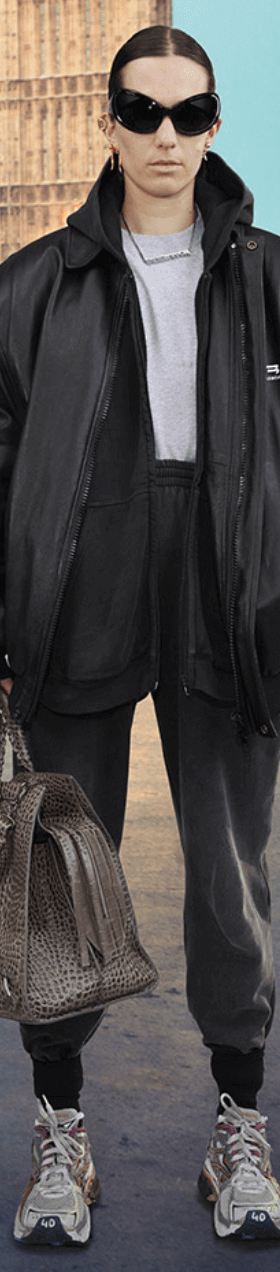
Kering-owned Parisian luxury house, founded in Spain in 1919, now led by Pierpaolo Piccioli after a decade under Demna.
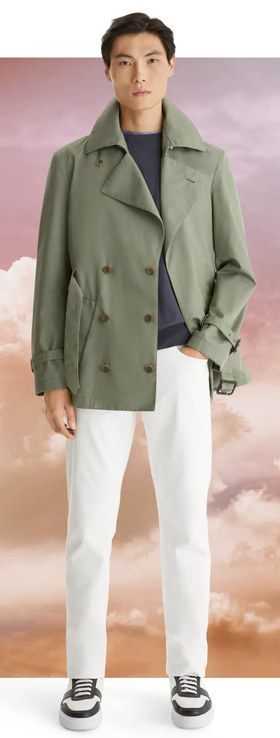
Family-owned Italian menswear house known for soft-shouldered tailoring, suits and outerwear made in the Brianza region near Milan.
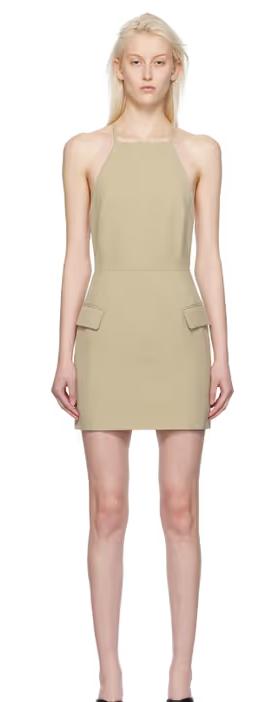
Sydney label from sibling designers Camilla Freeman-Topper and Marc Freeman, known for restrained minimalist tailoring, column dresses, knitwear and eyewear.
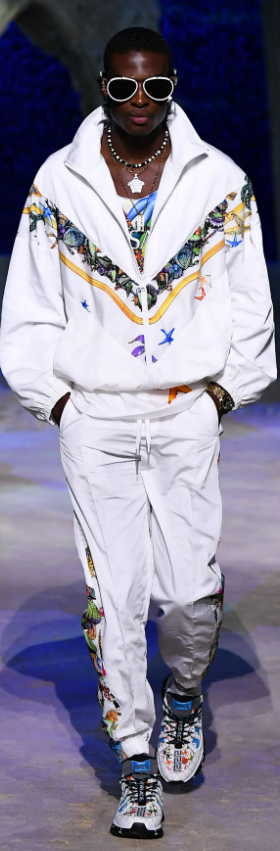
Italian luxury house founded in Milan in 1978, now owned by Prada Group, known for Medusa motifs, Baroque prints and body-conscious tailoring.
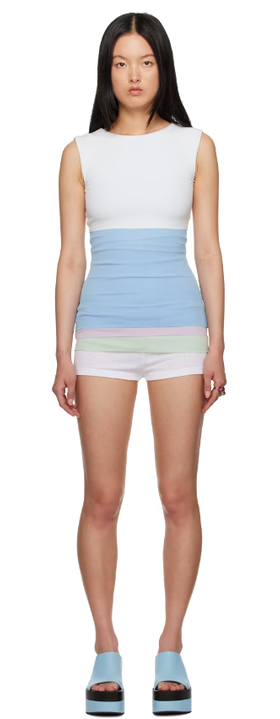
Shanghai luxury house, Hermès-founded and now Exor-controlled, applying Chinese craft traditions to clothing, jewellery, furniture and homeware.

Independent avant-garde label founded in Los Angeles in 1994 and now based in Paris, known for draped monochrome tailoring and chunky sneakers.
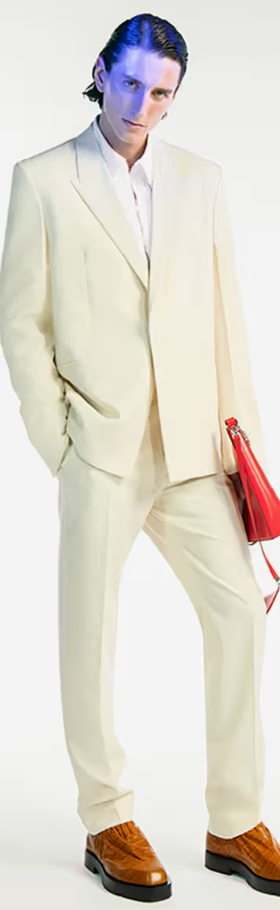
Parisian LVMH-owned luxury house founded in 1952, now led by Sarah Burton, known for couture tailoring, Antigona bags and Shark Lock boots.
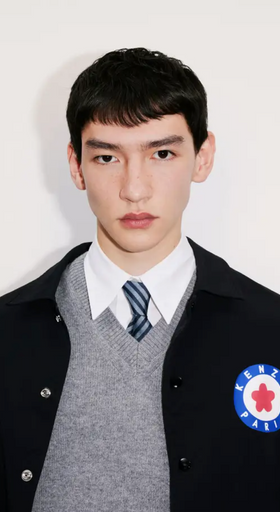
French house founded in 1970 by Kenzo Takada, LVMH-owned since 1993 and led by Japanese streetwear designer Nigo since 2021.
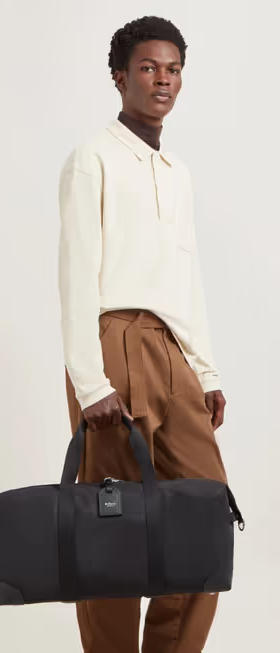
British leather goods house behind the Bayswater and Alexa bags, part-made in Somerset and now mid-turnaround under CEO Andrea Baldo.
Why it's similar. Roger Saul founded Mulberry in 1971 and part of its production still runs through two Somerset factories, giving the Bayswater a British-made claim close to Blahnik's Italian workshops.
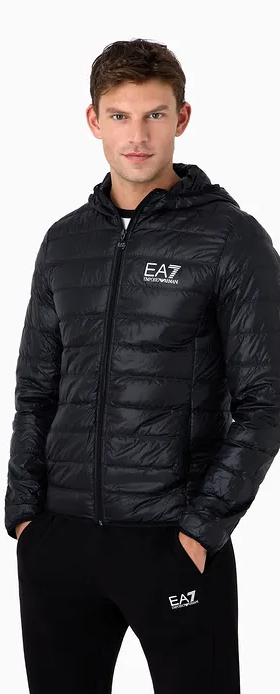
Giorgio Armani's 1981 contemporary line, pairing the house's soft tailoring with casual eagle-logo sportswear, denim and accessories.
Why it's similar. Sophisticated, timeless luxury designs with emphasis on high-quality materials.
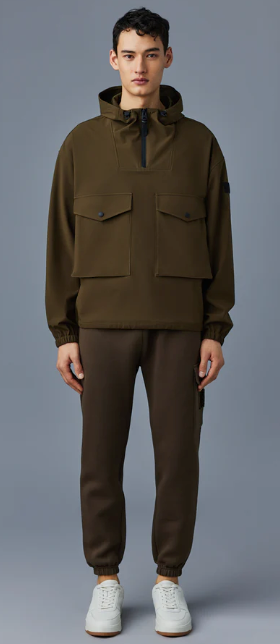
Montreal luxury outerwear brand known for technical down parkas, leather jackets and tailored wool coats for women, men and kids.
Why it's similar. Luxury status and high-quality fabrics match well with Manolo Blahnik's style.
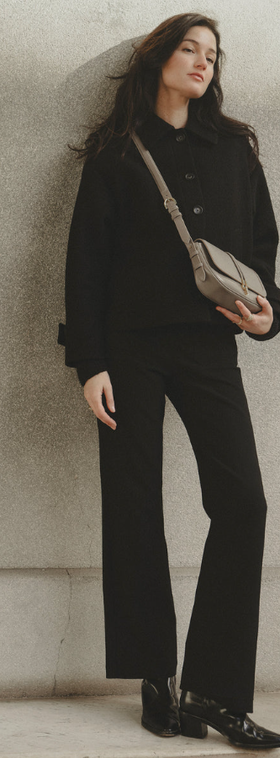
Parisian direct-to-consumer leather goods brand making minimalist Italian-made bags and accessories, offered with monogram personalisation.
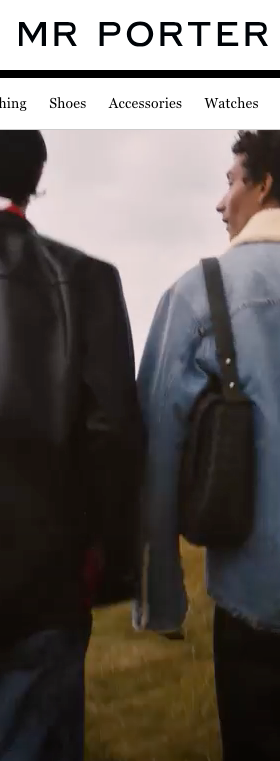
MR PORTER is a London-based online luxury menswear retailer, now owned by LuxExperience, selling designer labels and its own Mr P. line.
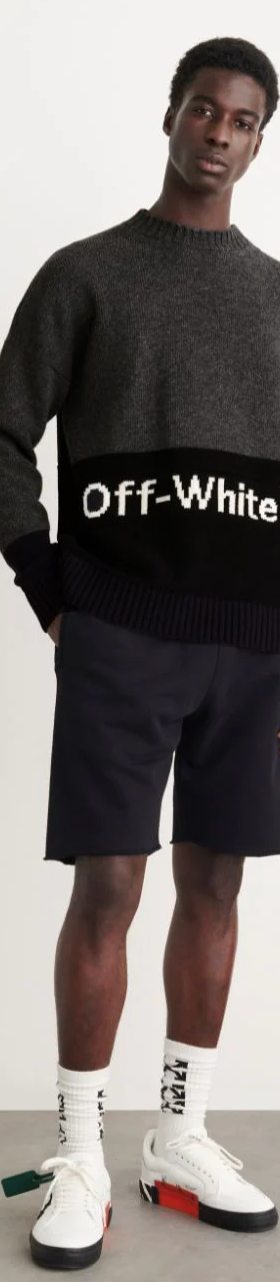
Milan-based luxury streetwear label founded by Virgil Abloh in 2012, majority-owned by LVMH and creatively led by Ib Kamara.
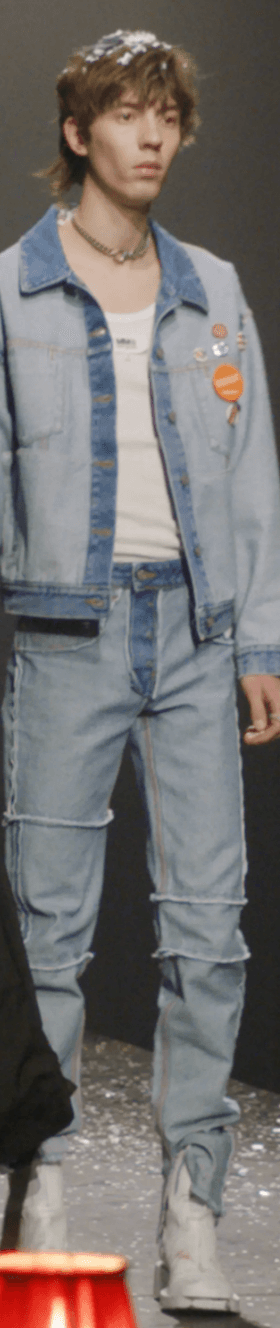
Paris luxury house founded in 1988, known for deconstruction, blank numeric labels and Tabi split-toe boots; now led by Glenn Martens.
Disco ranks brand alternatives using style overlap, category overlap, price tier, fit, colour palette, and cultural context. Scores are directional, not absolute. Read the full methodology →
| # | Brand | Similarity | Best for | Price |
|---|---|---|---|---|
| 1 | Christian Louboutin | — | Similar | |
| 2 | Roger Vivier | — | Similar | |
| 3 | Jimmy Choo | — | Similar | |
| 4 | Luís Onofre | 91% | Luxury | Similar |
| 5 | PHILIPPE MODEL | 76% | Luxury | Similar |
| 6 | HermèsAccessories & adjacent | 88% | Luxury | More premium |
| 7 | TOM FORDAccessories & adjacent | 85% | Luxury | Similar |
| 8 | PradaAccessories & adjacent | 84% | Statement loafers | Similar |
| 9 | KitonAccessories & adjacent | 82% | Luxury | More premium |
| 10 | Bottega VenetaAccessories & adjacent | 80% | Luxury | More premium |
| 11 | Dior HommeAccessories & adjacent | 78% | Luxury | More premium |
| 12 | Yves Saint LaurentAccessories & adjacent | 75% | Luxury | Similar |
| 13 | DunhillAccessories & adjacent | 75% | Luxury | More premium |
| 14 | BalenciagaAccessories & adjacent | — | Similar | |
| 15 | CanaliAccessories & adjacent | — | More premium | |
| 16 | CAMILLA AND MARCAccessories & adjacent | — | Similar | |
| 17 | VersaceAccessories & adjacent | — | More premium | |
| 18 | SHANG XIAAccessories & adjacent | — | Similar | |
| 19 | Rick OwensAccessories & adjacent | — | More premium | |
| 20 | GivenchyAccessories & adjacent | — | Similar | |
| 21 | KenzoAccessories & adjacent | — | More premium | |
| 22 | MulberryAccessories & adjacent | 87% | British leather | More premium |
| 23 | Emporio ArmaniAccessories & adjacent | 82% | Luxury | Similar |
| 24 | MACKAGEAccessories & adjacent | 78% | Luxury | Similar |
| 25 | Leo et VioletteAccessories & adjacent | — | Similar | |
| 26 | Mr PorterAccessories & adjacent | — | More premium | |
| 27 | Off-WhiteAccessories & adjacent | — | Similar | |
| 28 | Maison MargielaAccessories & adjacent | — | Similar |
Hermès stands as the most similar, with an 88% match. Both brands are celebrated for their luxury status and exquisite materials, making them paragons of sophisticated style.
For those seeking less costly options, Tom Ford (Price Segment: Luxury) and CAMILLA AND MARC (Price Segment: Luxury) provide elegance at a lower price point compared to Manolo Blahnik.
Hermès provides a broader product range including luxurious leather goods and scarves, whereas Manolo Blahnik focuses specifically on timeless footwear elegance. Each excels in their domain of expertise.
Manolo Blahnik is renowned for its high-end, exquisitely crafted footwear featuring elegant and timeless designs, celebrated by fashion icons worldwide for their femininity and sophistication.
For luxury alternatives, look no further than Tom Ford, Prada, and Yves Saint Laurent, all in the Luxury Price Segment. Each offers a unique take on sophisticated style.