1460 Boot
The eight-eyelet, yellow-stitched boot launched in 1960 is the shoe the entire brand is built on.
Explore the 1460 → disco
discoBrand profile
British bootmaker behind the 1460 eight-eyelet boot, known for yellow welt stitching and air-cushioned AirWair soles; LSE-listed and led by CEO Ije Nwokorie.
15 brands like Dr. Martens like Solovair, Underground England, Clarks →
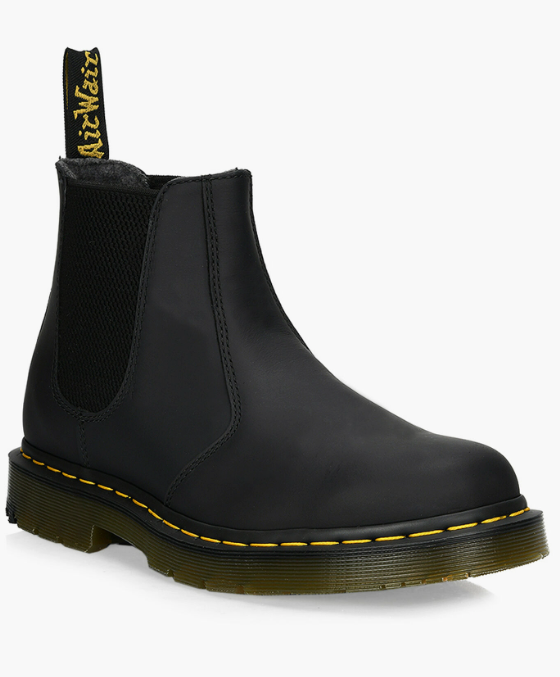
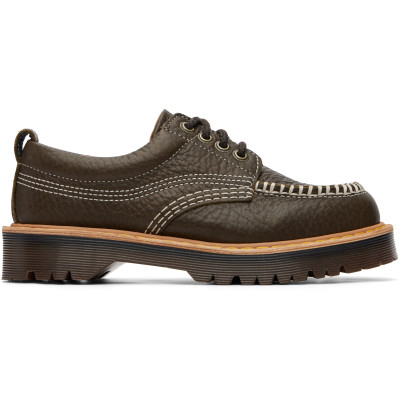

The eight-eyelet 1460, made in Wollaston since 1 April 1960, is the reference point; Chelseas, Mary Janes, loafers and sandals all descend from it.
Grooved air-cushioned AirWair soles, yellow welt stitching and a branded heel loop repeat across the range, so the details do the identifying.
Worn by skinheads, punks and the goth and grunge scenes that followed, it now trades publicly and is pushing full-price, boot-led selling after profit warnings.
The eight-eyelet, yellow-stitched boot launched in 1960 is the shoe the entire brand is built on.
Explore the 1460 →The three-eyelet derby version of the 1460 is Dr. Martens' definitive low shoe, here in Made in England leather.
2 live now · from $123
Explore the 1461 →The chunky platform-soled boot that carried the AirWair look into modern streetwear.
Explore Jadon →Available atSSENSE · END.
Overall fit
runs large
Dr. Martens is only offered in whole sizes and is widely reported to run large, so many shoppers size down and note a significant break-in period before the leather softens.
Tip: Most people size down half a size from their normal fit; go a full size down if you have narrow feet or wear thin socks.
High confidence · based on 40 sources
By category
| Category | Runs | Shape | Size advice |
|---|---|---|---|
| Boots | runs large | wide toe box with generous volume | Size down half a size from your true size; expect a notable break-in period and consider thick socks to protect against heel rub early on. |
| Dress shoes | runs large | roomy through the toe, moderate volume | Size down half a size, or a full size if between sizes and you have narrow feet. |
| Sandals & slides | slightly large | broad footbed with adjustable straps | Size down if you are between sizes; the adjustable straps give some room to fine-tune. |
Directional fit consensus summarized from public sources with AI — a starting point, not a guarantee. Confirm with the product's own measurements before buying.
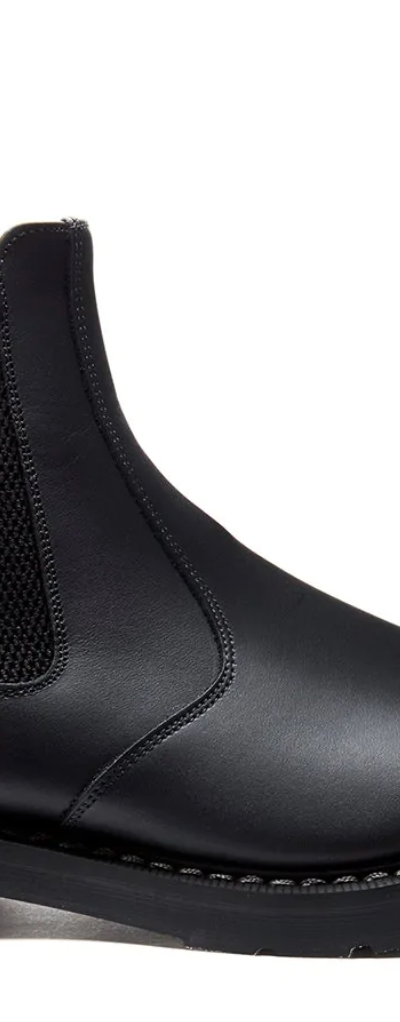 93% match
Same Northamptonshire factory heritage, Goodyear-welted
What changes: Smaller, pricier, no mass-market fashion lines
 80% match
Deeper punk and teddy-boy subculture footwear
What changes: Niche silhouettes like creepers and winklepickers
 72% match
British crepe-sole icons with the same student-uniform pull
What changes: Softer, less industrial, no welted boot look
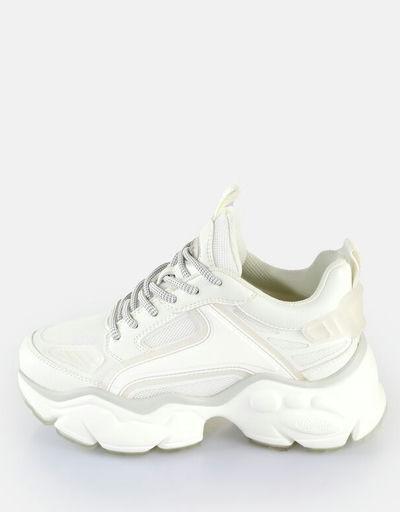 68% match
Chunky platform alt-scene footwear
What changes: 90s rave/club platforms rather than welted boots
Dr. Martens runs large. Most people size down half a size from their normal fit; go a full size down if you have narrow feet or wear thin socks. Dr. Martens is only offered in whole sizes and is widely reported to run large, so many shoppers size down and note a significant break-in period before the leather softens.
Dr. Martens is only offered in whole sizes and is widely reported to run large, so many shoppers size down and note a significant break-in period before the leather softens. Overall shape: roomy fit with a wide toe box, sits large in whole sizes.
Dr. Martens boots runs large. Size down half a size from your true size; expect a notable break-in period and consider thick socks to protect against heel rub early on. Shape: wide toe box with generous volume.
Dr. Martens dress shoes runs large. Size down half a size, or a full size if between sizes and you have narrow feet. Shape: roomy through the toe, moderate volume.
Dr. Martens sandals & slides fits slightly large. Size down if you are between sizes; the adjustable straps give some room to fine-tune. Shape: broad footbed with adjustable straps.
Dr. Martens is a British footwear brand built on the 1460 eight-eyelet boot, launched in Wollaston, Northamptonshire on 1 April 1960 using the air-cushioned sole Klaus Maertens devised in post-war Germany. Grooved AirWair soles, yellow welt stitching and heel-loop branding carry across boots, Chelseas, Mary Janes, loafers and sandals. Adopted by skinheads, punks and successive subcultures, it trades on the London Stock Exchange, with Permira funds holding about 38%. CEO Ije Nwokorie is steering a pivot to full-price selling and boot-led product after repeated profit warnings.