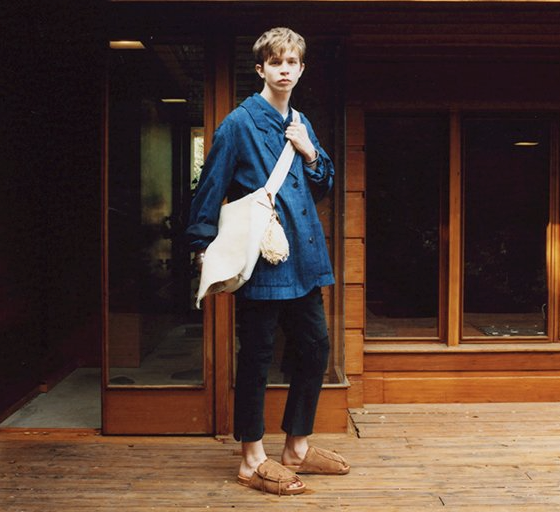
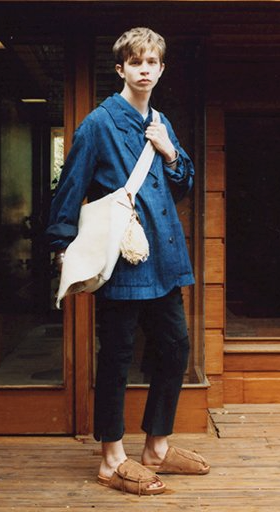
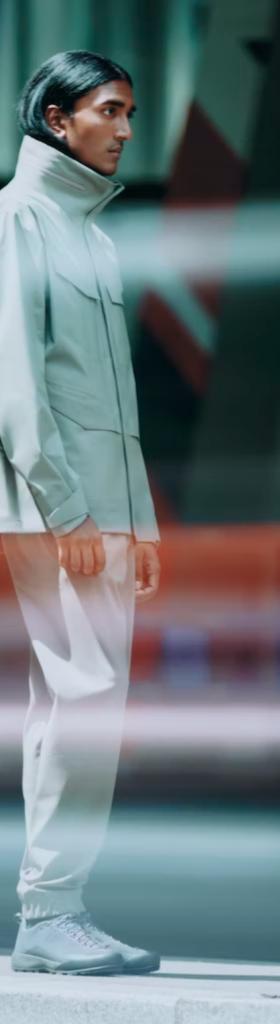
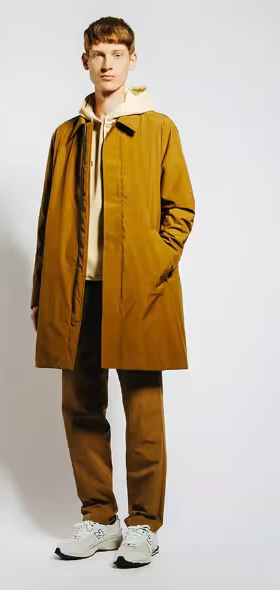
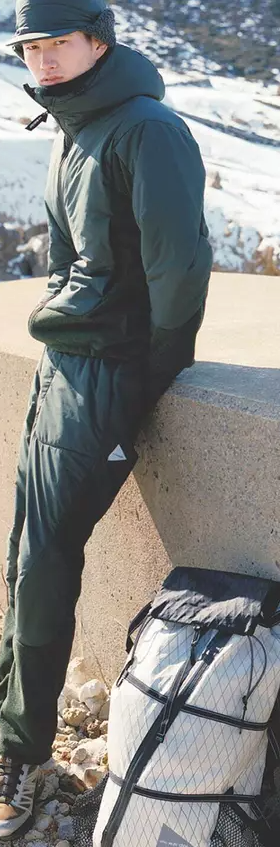
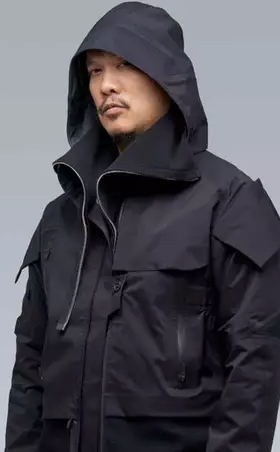
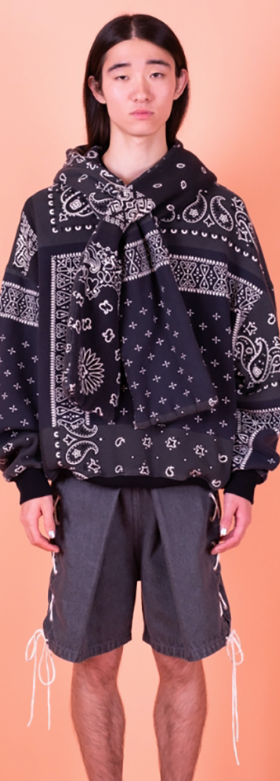
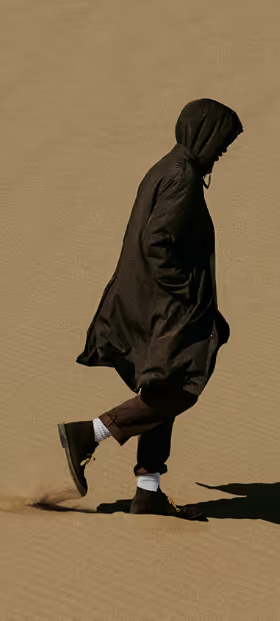
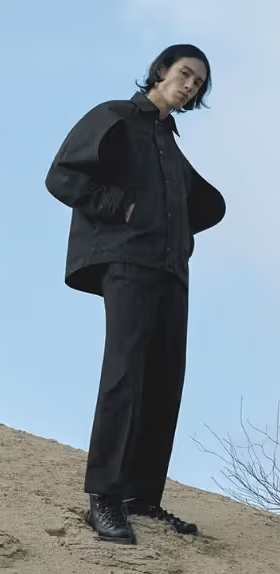
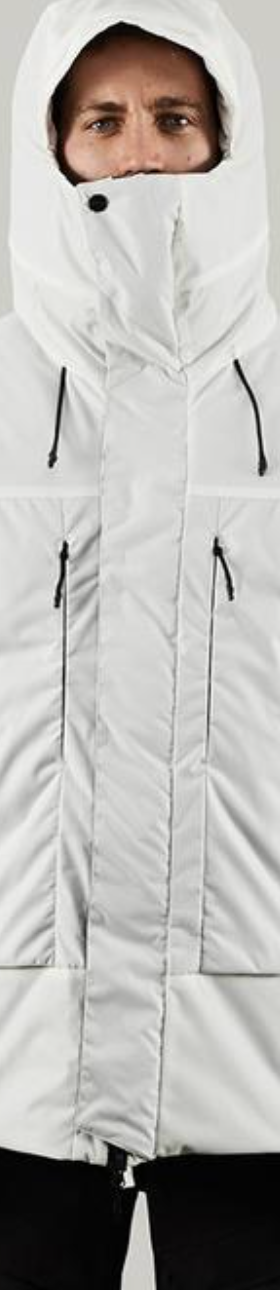
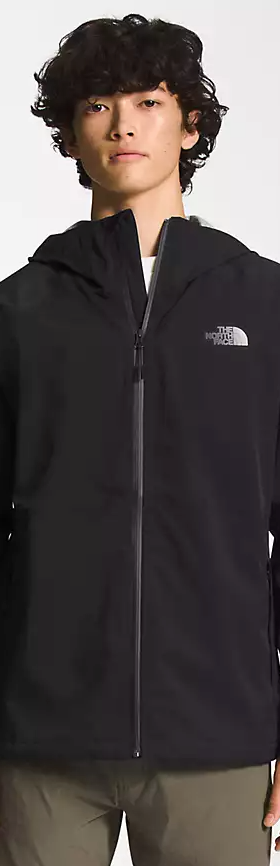
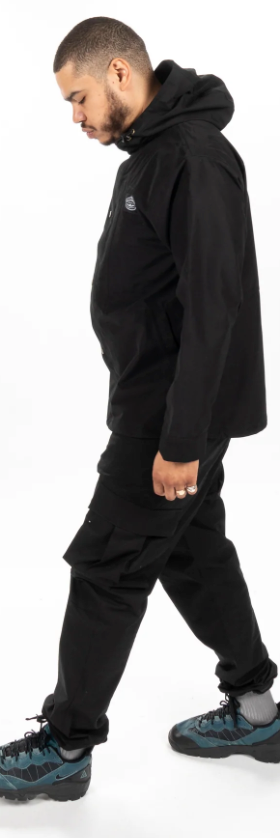
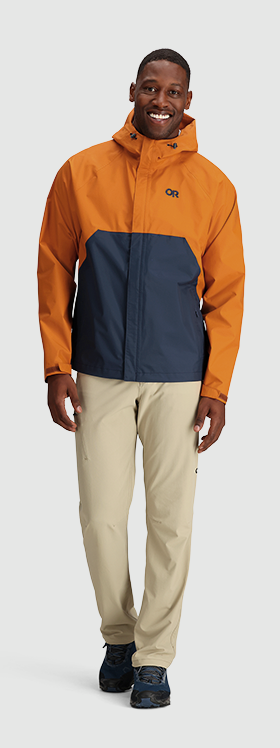
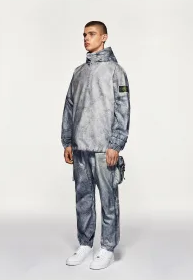
RANRA is a contemporary clothing brand known for its unique blend of minimalist aesthetics and bold, eye-catching details. With a focus on high-quality materials and impeccable craftsmanship, RANRA offers fashion-forward pieces that effortlessly fuse modernity with timeless elegance. If you're interested in discovering other brands that share a similar style and ethos to RANRA, make sure to check out the rest of this post for more exciting recommendations.
Show me
#1
visvim
88% match
Craft menswear$$$$$ · More premiumTokyo, Japan · est. 2000
Hiroki Nakamura's Tokyo label applies heritage craft and natural dyes to Americana-rooted "future vintage" clothing and footwear such as the FBT moccasin-sneaker.
Why it's similar. Hiroki Nakamura's Tokyo label rebuilds Americana and folk-craft references with vintage looms and natural dyes, a craft-first extreme of the same considered-menswear shelf RANRA sits on.
On saleUp to 60% off at END., Hatchet Outdoor Supply Co. and 3 more.See sales →
#2
Arc’teryx Veilance
87% match
Technical tailoring$$$$ · Similar priceVancouver, Canada · est. 2009
Veilance is Arc'teryx's Vancouver-born city line, applying Gore-Tex construction and minimalist tailoring to monochrome technical outerwear and trousers.
Why it's similar. Veilance applies Arc'teryx's Gore-Tex laminates and taped seams to unstructured blazers and monochrome shells with almost no visible branding, the clearest technical-tailoring comparison on this list.
On saleUp to 20% off at Rooney and END.See sales →
#3
Norse Projects
84% match
Budget pick$$$ · CheaperCopenhagen, Denmark · est. 2004Made in Portugal, Italy
Copenhagen label blending streetwear, workwear and Scandinavian minimalism, known for clean silhouettes and technical GORE-TEX outerwear.
Why it's similar. Norse Projects has blended Scandinavian minimalism with workwear from Copenhagen since 2004, running GORE-TEX outerwear and clean shirting at noticeably lower prices than designer technical labels.
On saleUp to 70% off at Lost & Found and END.See sales →
The weekly disco
Like these brands? Keep discovering.
One email a week — new brands worth knowing and the markdowns actually worth clicking.
Free · One email a week
#4
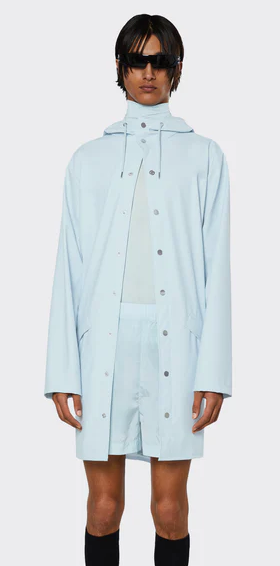
Rains
81% match
Rain shell$$ · CheaperAarhus, Denmark · est. 2012Made in Europe, China
Danish label making minimalist waterproof jackets, bags and accessories in a signature matte rubberized fabric.
Why it's similar. Rains reduces the weatherproof jacket to one matte rubberised polyester and a clean unlined silhouette, sold from Aarhus through wholesale and roughly 30 owned stores.
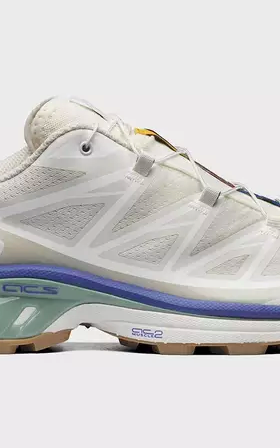
Trail footwear$$ · CheaperAnnecy, France · est. 1947Made in Vietnam, China
French outdoor brand from Annecy known for ski and trail-running gear, whose XT-6 and Speedcross shoes became gorpcore streetwear staples.
Why it's similar. Salomon moved from Annecy ski bindings into trail footwear in 1992, and Speedcross and XT-6 silhouettes now supply the technical-outdoor footwear this kind of wardrobe is built on.
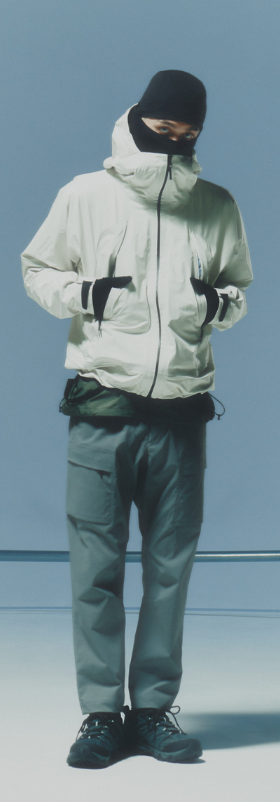
Japanese technical$$$$ · Similar priceToyama, Japan · est. 1950Made in China
Japanese technical apparel label founded in 1950, known for ski heritage, GORE-TEX outerwear and restrained, performance-led design.
Why it's similar. Goldwin grew out of a 1950 Toyama knit-fabric factory into ski wear, and its GORE-TEX shells and stretch trousers are cut for the city rather than the mountain.
On saleUp to 35% off at END., Sun House and 1 more.See sales →
#7
Snow Peak
73% match
Camp apparel$$$ · CheaperSanjo, Japan · est. 1958
Japanese outdoor brand from Sanjo, Niigata, pairing titanium camp gear with technical apparel; taken private by Bain Capital and the founding family in 2024.
Why it's similar. Snow Peak makes titanium cookware and tents in Sanjo, Niigata, and its flame-resistant Takibi workwear line is the apparel half of that gear business, guaranteed for life.
On saleUp to 45% off at END. and SSENSE.See sales →
#8
And Wander
71% match
Minimal hiking$$$$ · Similar priceTokyo, Japan · est. 2011
Tokyo technical outdoor label founded in 2011 by ex-Issey Miyake designers Keita Ikeuchi and Mihoko Mori, owned by TSI Holdings.
Why it's similar. Founded in 2011 by two former Issey Miyake designers, and wander cuts hiking shells and packable insulation into city-wearable silhouettes marked only by a reflective logo print.
Engineered shells$$$$$ · More premiumMunich, Germany · est. 1994Made in China
German technical apparel label founded in 1994 by Errolson Hugh and Michaela Sachenbacher, known for monochrome Gore-Tex shells and engineered garment systems.
Why it's similar. ACRONYM has engineered Gore-Tex hardshells around Gravity Pockets and Interops attachment points from Munich since 1994, in small runs that routinely resell above retail.
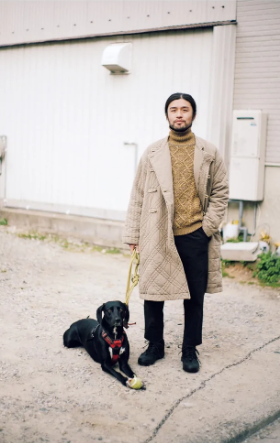
Folk craft$$$$ · Similar priceOkayama, Japan · est. 1984
Japanese denim and workwear label from Kojima, Okayama, known for boro patchwork, sashiko stitching and indigo-dyed remake pieces.
Why it's similar. Kapital works loom-woven selvedge denim and boro-patched, sashiko-stitched jackets out of Kojima, Okayama: shared craft obsession, but folk-craft Americana rather than technical outerwear.
On saleUp to 75% off at Hatchet Outdoor Supply Co.See sales →
#17
Stone Island
$$$$Ravarino, Italy · est. 1982
Italian technical menswear house, Moncler-owned since 2021, known for garment-dyed outerwear and its detachable compass-rose sleeve badge.
Why it's similar. Like RANRA, Stone Island builds menswear around fabric research and construction, its garment-dyed, coated technical outerwear and compass-rose sleeve badge setting the high-price European benchmark.
On saleUp to 59% off at SSENSE, END. and 1 more.See sales →
How we ranked these
Disco ranks brand alternatives using style overlap, category overlap, price tier, fit, colour palette, and cultural context. Scores are directional, not absolute. Read the full methodology →
Common questions
Frequently Asked Questions
What are some brands similar to RANRA?
If you're looking for brands similar to RANRA, consider exploring Visvim, Arc’teryx Veilance, and Norse Projects. These brands share a commitment to high-quality materials and a blend of minimalist and bold design elements.
What are some affordable alternatives to RANRA?
While RANRA is known for its premium pricing, you can find more budget-friendly options in brands like Rains and Poler, which offer stylish pieces with a similar aesthetic but at a more accessible price point.
What makes RANRA's style unique?
RANRA is distinguished by its fusion of minimalist aesthetics with bold, eye-catching details, creating a balance between modernity and timeless elegance. The brand's focus on high-quality materials and impeccable craftsmanship ensures that each piece stands out.
Is Visvim worth the investment compared to RANRA?
Visvim, like RANRA, is known for its premium craftsmanship and unique design elements. While both brands offer high-quality fashion, Visvim often incorporates traditional Japanese techniques and materials, adding cultural depth to its offerings that may justify its investment for some buyers.
Where can I buy RANRA and similar brands online?
You can purchase RANRA and similar brands like The North Face and Goldwin online through luxury retailers such as Farfetch and SSENSE, which offer a wide selection of contemporary and high-end fashion brands.