Gorpcore / Outdoor brands

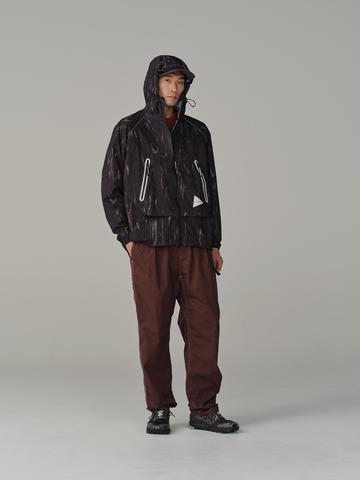
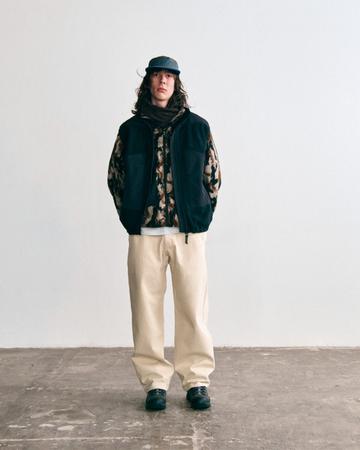
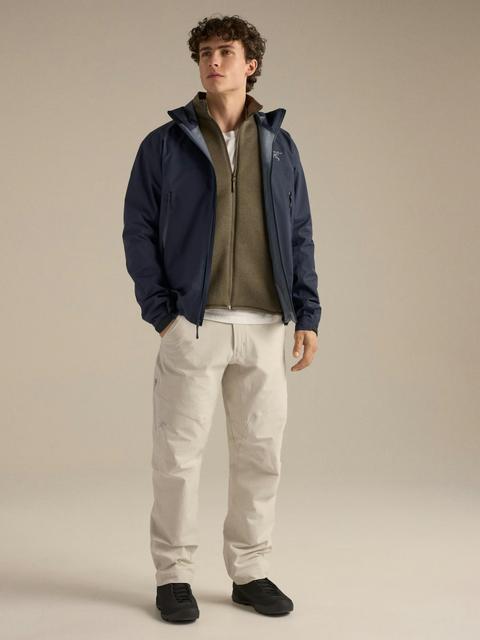
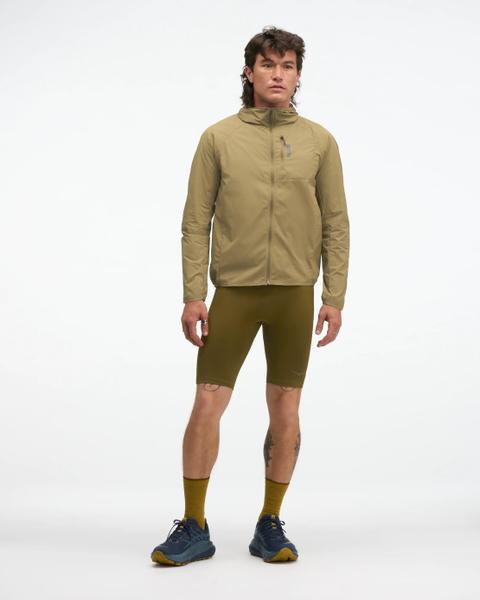
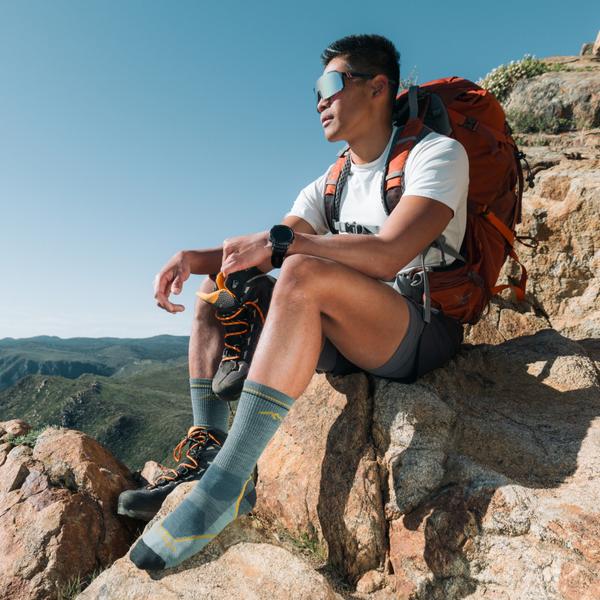
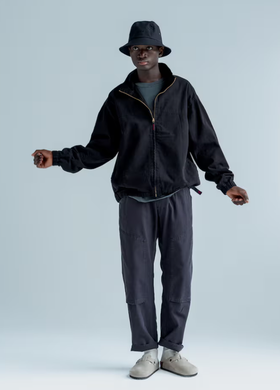
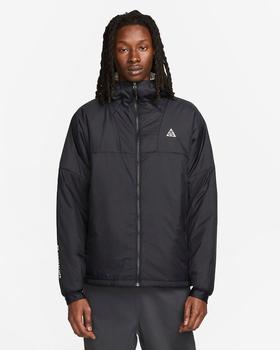
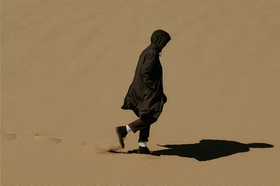
Gorpcore is a fashion aesthetic that repurposes technical outdoor and hiking gear as everyday streetwear. It centers on functional performance pieces—shell jackets, fleece, cargo pants, and trail shoes—worn in urban settings for their utility and distinctive branding. The look appeals to those who value durability, weatherproofing, and the crossover between mountain equipment and casual style.

Browse the brandsRead the guide● Updated July 2026
$–$$$$$Price range
75+Brands
2017 →Era
3Tiers

History & origins

Gorpcore's lineage runs through decades of outdoor apparel, from the technical mountaineering gear of the 1970s to the fleece-and-shell layering popularized by Patagonia, The North Face, and Arc'teryx through the 1990s and 2000s. These pieces were engineered for hikers, climbers, and skiers, prioritizing weatherproofing, breathability, and durability over fashion.

The term 'gorpcore' was coined around 2017 by fashion media, derived from 'GORP'—the acronym for 'Good Ol' Raisins and Peanuts,' a common trail mix. It described a growing trend of wearing performance outdoor gear in everyday urban contexts. The aesthetic gained momentum as luxury and streetwear circles embraced brands like Arc'teryx and Salomon, and as designers such as those behind Acronym and C.P. Company blurred the line between technical function and high fashion.

Key sub-genres

Gorpcore spans several overlapping directions. Classic trail-focused gorpcore emphasizes authentic hiking and mountaineering gear—fleece, shell jackets, and rugged footwear from brands like 66°NORTH, Bergans of Norway, and Baffin. A more design-driven strand overlaps with techwear and avant-garde tailoring, seen in Arc'teryx Veilance, Acronym, and A-COLD-WALL, where muted palettes and refined construction take precedence.

A travel-and-utility sub-genre focuses on packable, functional accessories and luggage from labels like Aer, Bellroy, Db, Away, and BÉIS, reflecting the movement's emphasis on mobility and preparedness. There is also a ski and alpine-leisure crossover, represented by names such as Erin Snow and Aether Apparel, that translates mountain aesthetics into lifestyle wear.

Brands in this style

The same aesthetic shows up at very different price points and postures. Here's how it breaks down.

Price
Style
75 brands

How to wear it

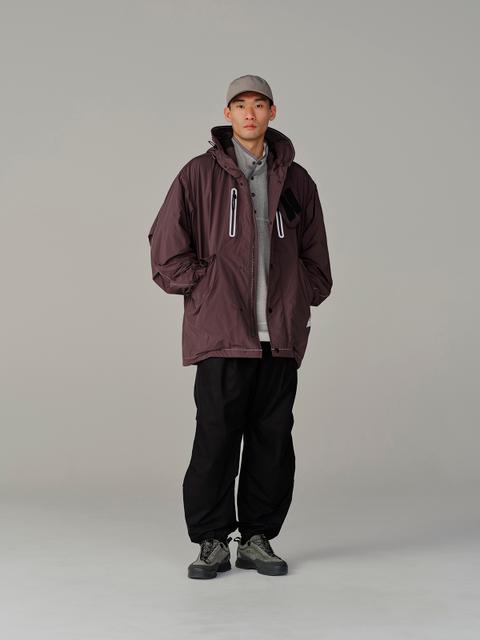
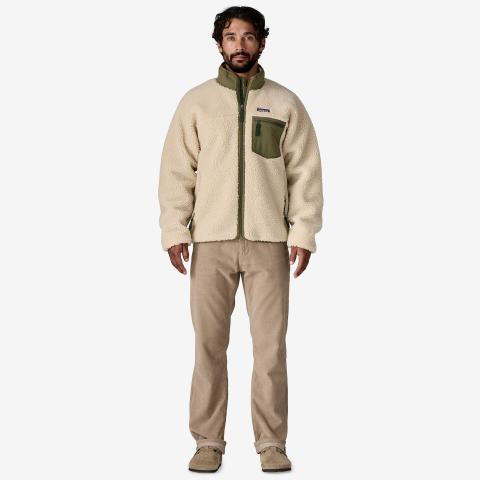
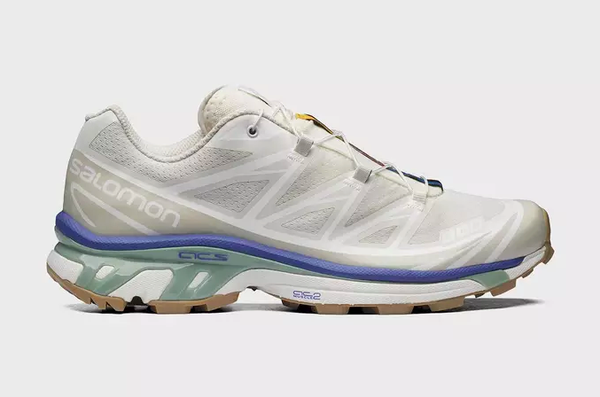
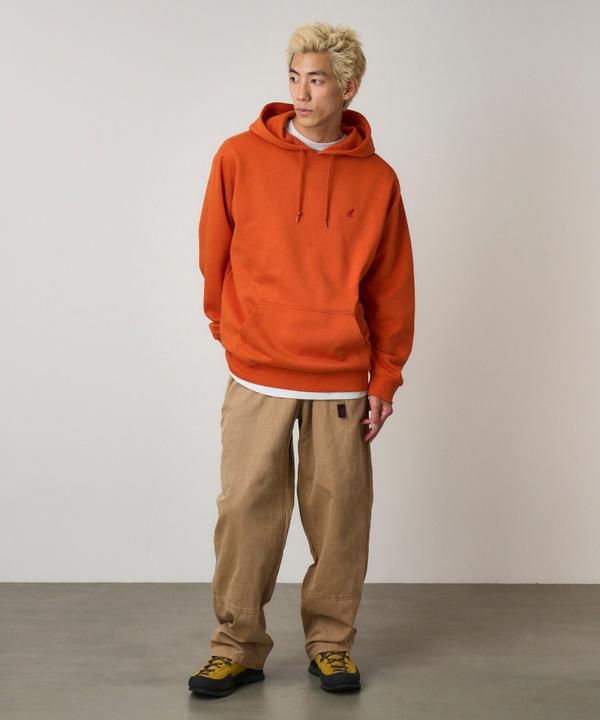
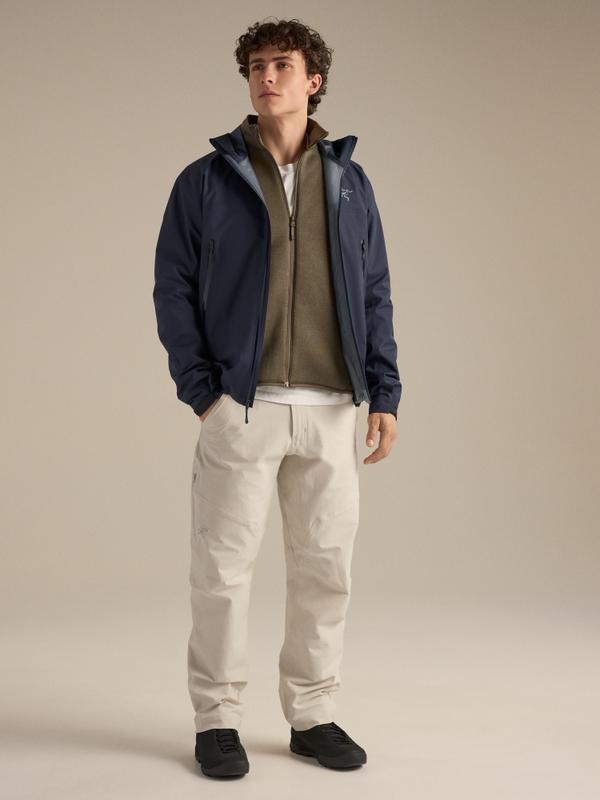
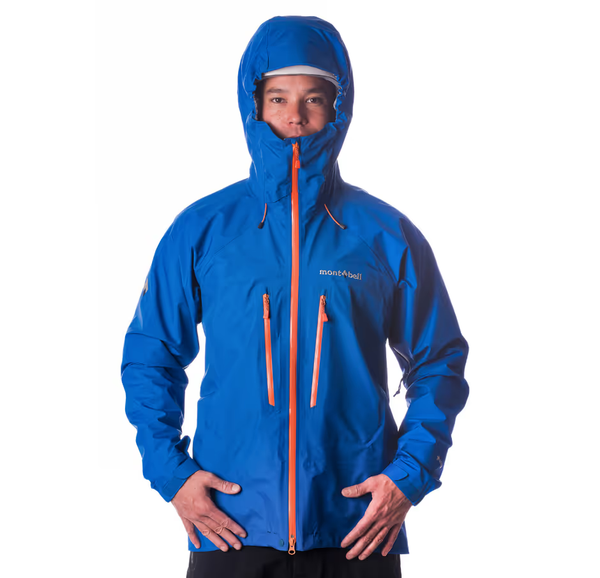
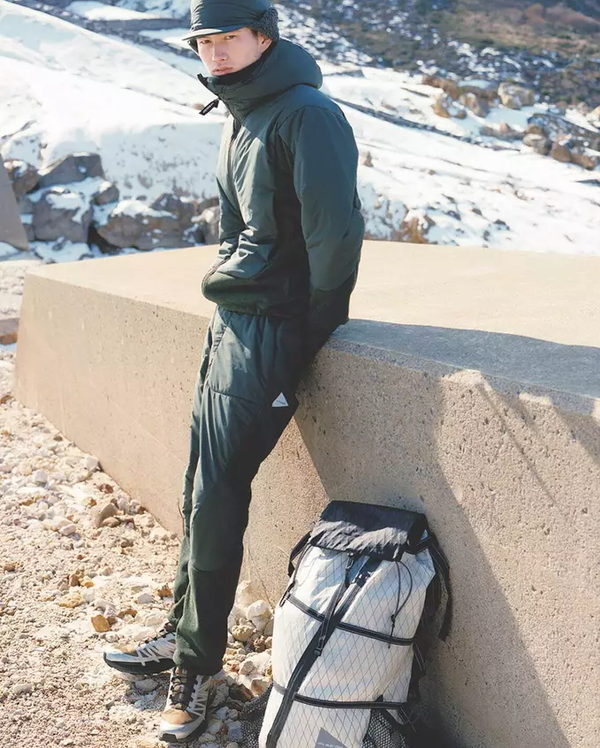
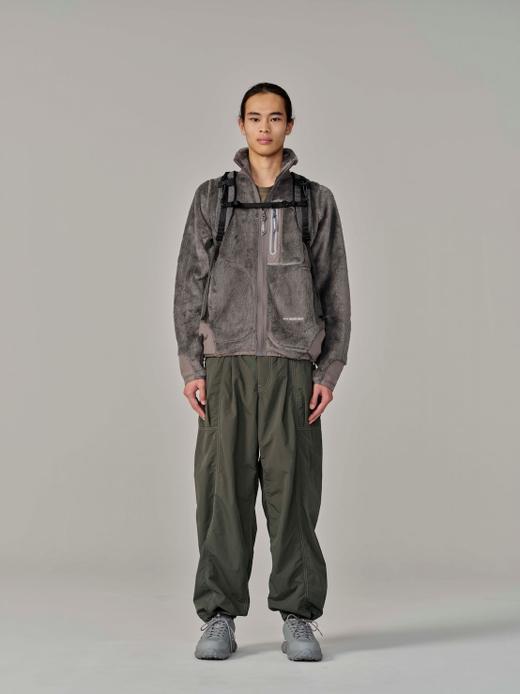
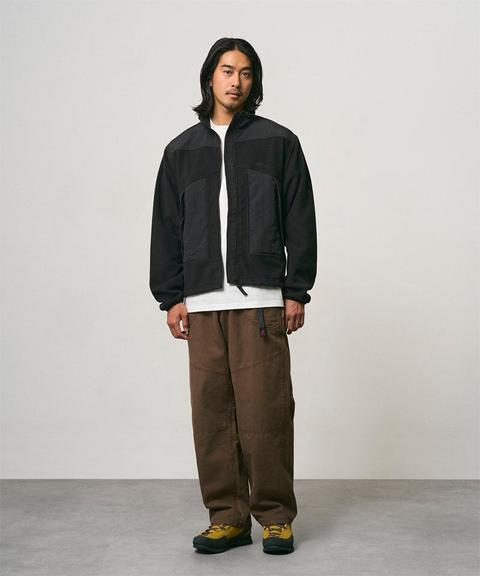
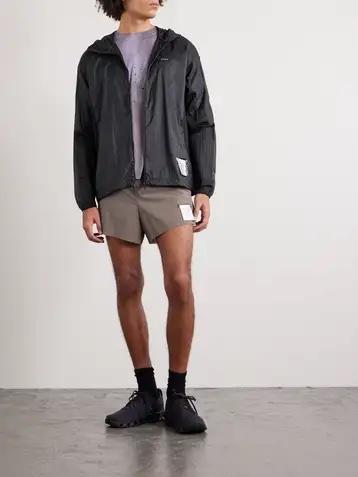
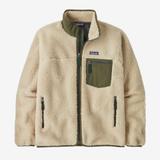
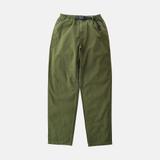
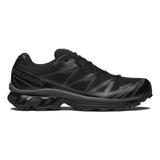
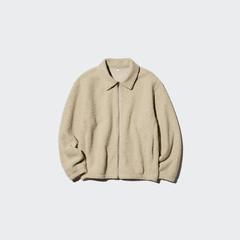
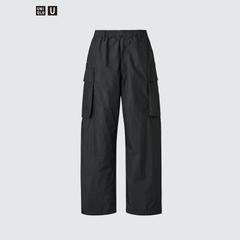
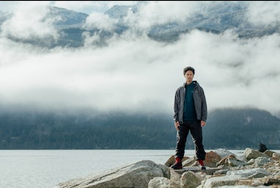
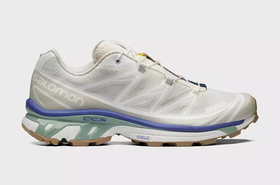
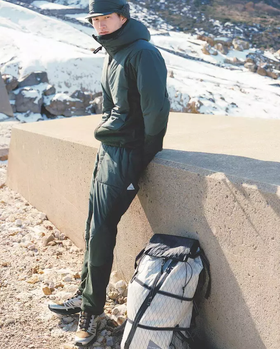
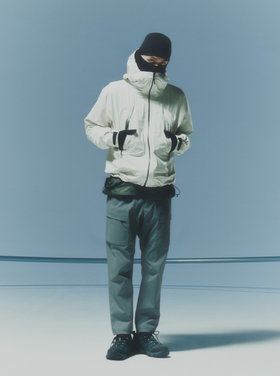
The foundation of gorpcore is functional layering: pair a technical shell or anorak over a fleece or grid-fleece mid-layer, with a moisture-wicking base beneath. Bottoms typically run to cargo pants, convertible hiking trousers, or tapered technical joggers, finished with trail runners like the Salomon XT-6 or an approach shoe. Visible drawcords, carabiners, and functional pockets are part of the look rather than incidental.

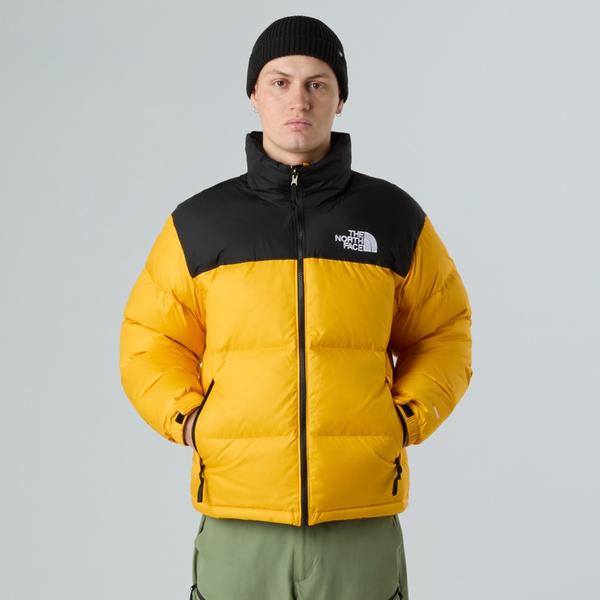
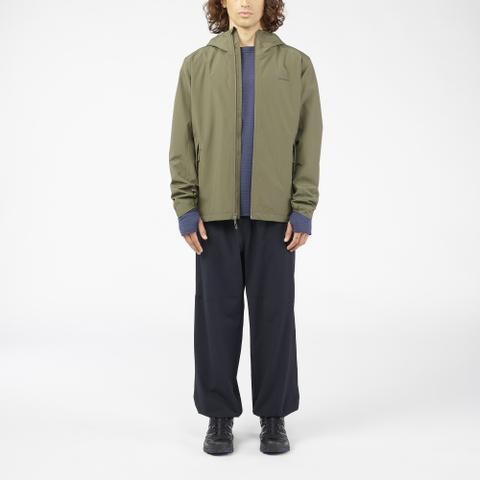
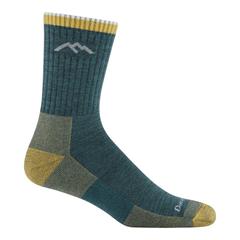
Color is a key lever: earthy greens, browns, and stone tones read as understated and trail-authentic, while high-visibility orange, teal, or safety yellow lean into the sportier, retro side of the aesthetic. Keep proportions relaxed but intentional, and let one or two hero pieces—a recognizable shell jacket or a distinctive backpack—anchor the outfit.

Essential pieces

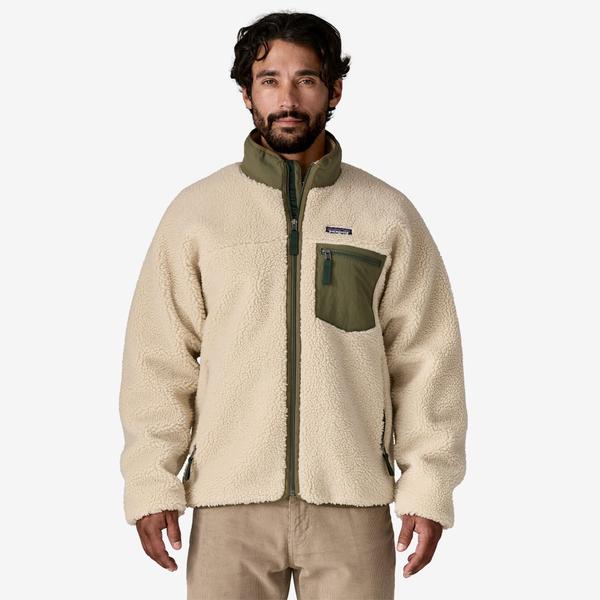
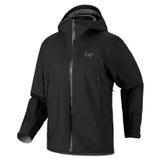
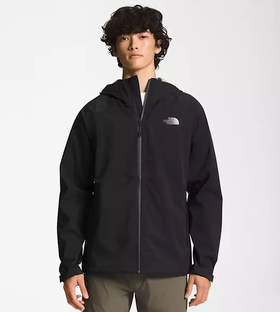
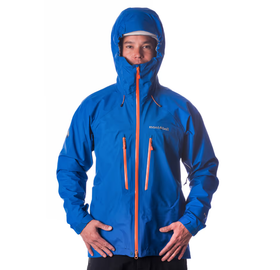
Core garments include a waterproof GORE-TEX shell jacket (Arc'teryx and 66°NORTH are benchmarks), a fleece or fleece pullover, and cargo or hiking pants. Footwear centers on trail runners and approach shoes from brands like Salomon, plus rugged boots from makers such as Baffin, Dunlop, and Dansko for a more utilitarian edge.

Accessories complete the look: a technical daypack or crossbody from Aer or Bellroy, packable luggage from Db or Away for the travel-minded, and functional headwear like beanies or brimmed caps. Softshell and windbreaker layers, along with insulated down or synthetic mid-layers, round out a versatile gorpcore wardrobe suited to changing weather.

Where to buy

Specialist outdoor retailers such as REI, Backcountry, and Outdoor Voices-adjacent shops carry the functional foundations, while fashion-forward stockists like END., SSENSE, and Haven feature the design-led and technical labels including Arc'teryx Veilance, Acronym, C.P. Company, and A-COLD-WALL. Brand direct-to-consumer sites for Arc'teryx, Patagonia, 66°NORTH, and Bergans of Norway remain reliable sources for core pieces.

For accessories and travel gear, brands like Aer, Bellroy, Db, Away, and BÉIS sell primarily through their own websites and select design retailers. Secondhand and resale platforms are also popular for discontinued colorways and archival technical pieces that have become collectible within the gorpcore community.

Ranked comparisons
Brands like AvirexRanked alternativesBrands like Tommy JohnRanked alternativesBrands like SUICOKERanked alternativesBrands like A-COLD-WALLRanked alternativesBrands like ASRVRanked alternativesBrands like GramicciRanked alternativesBrands like PolerRanked alternativesBrands like Dansko​Ranked alternativesBrands like NapapijriRanked alternativesBrands like Marine LayerRanked alternativesBrands like ROARanked alternativesBrands like Aether ApparelRanked alternativesBrands like C.P. CompanyRanked alternativesBrands like KuhlRanked alternatives
Related styles
TechwearStreetwearWorkwear / HeritageMinimalist / Contemporary
Common questions
What is gorpcore?

Gorpcore is a style that adopts outdoor and hiking apparel—such as GORE-TEX shells, fleece, and trail shoes—as everyday fashion. The name comes from 'GORP,' the acronym for trail mix, reflecting its roots in hiking and camping culture.
What brands are gorpcore?

Core gorpcore brands include Arc'teryx, Patagonia, The North Face, Salomon, and 66°NORTH, alongside design-led labels like Arc'teryx Veilance, Acronym, and C.P. Company that bridge outdoor function and fashion.
How do you dress gorpcore?

Combine technical outerwear like a shell jacket or fleece with cargo or hiking pants and trail-running shoes, keeping the palette earthy or utilitarian. The goal is functional layering that looks equally at home on a trail or in the city.

Is gorpcore the same as techwear?

They overlap but differ: gorpcore draws from recognizable outdoor and hiking gear with visible branding and earthy tones, while techwear leans darker, more futuristic, and emphasizes urban tactical silhouettes.