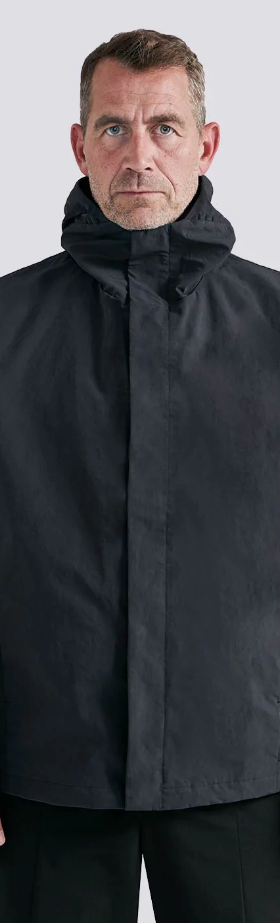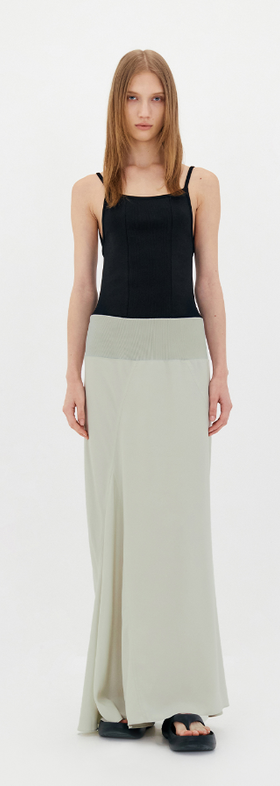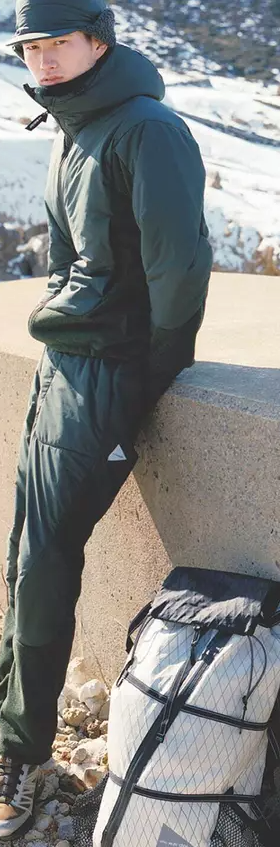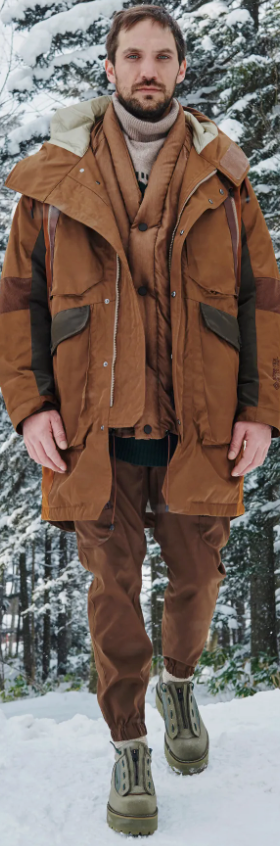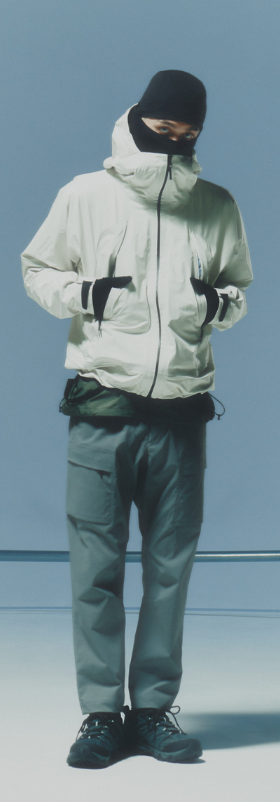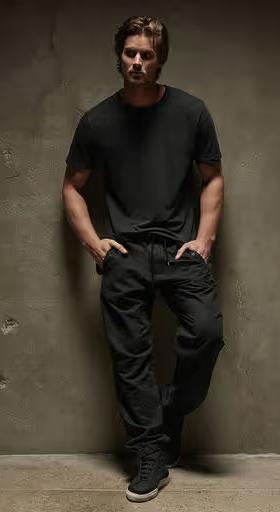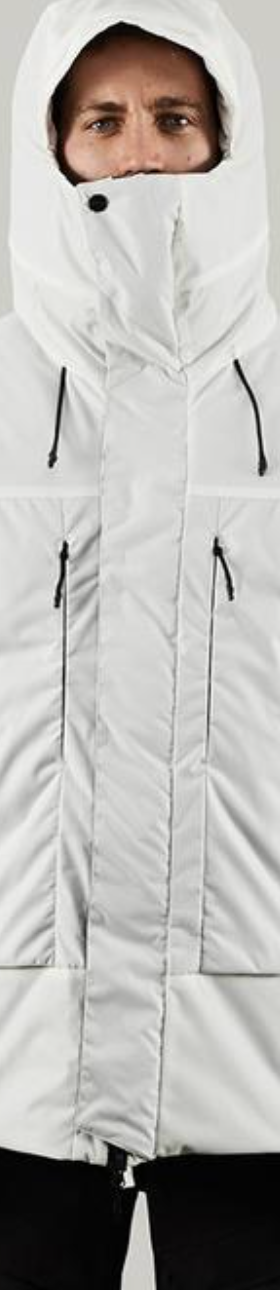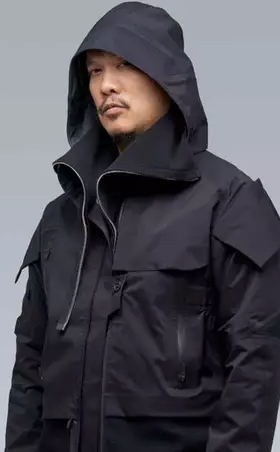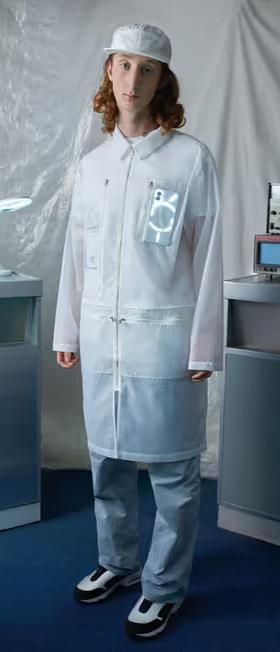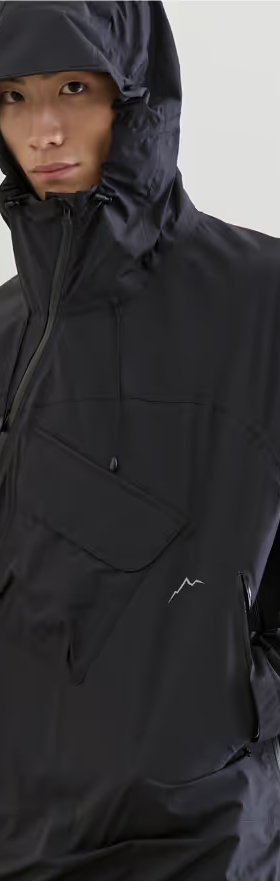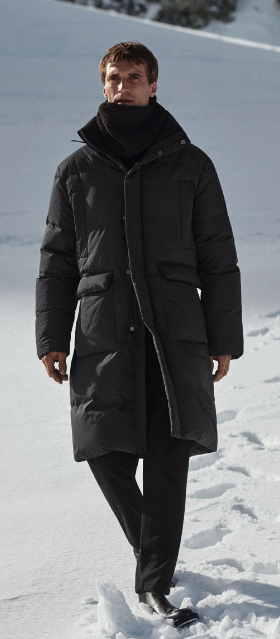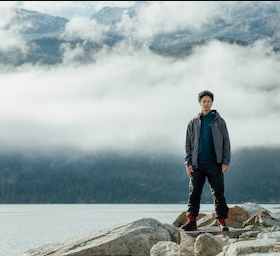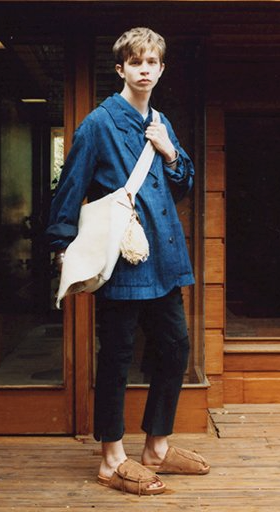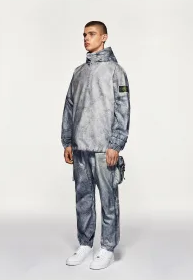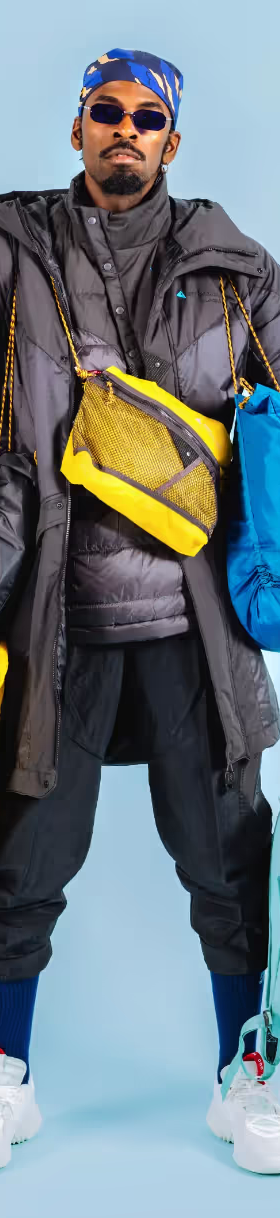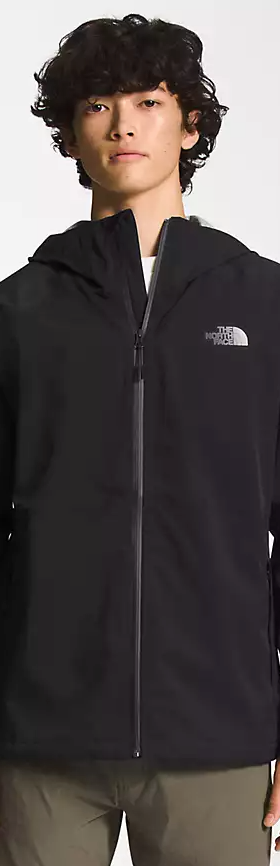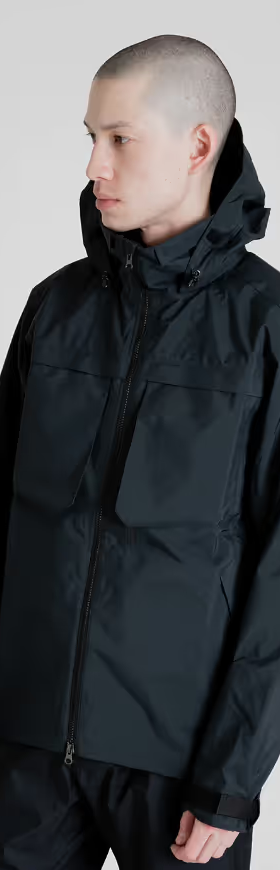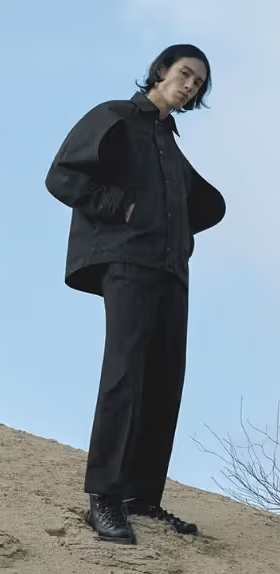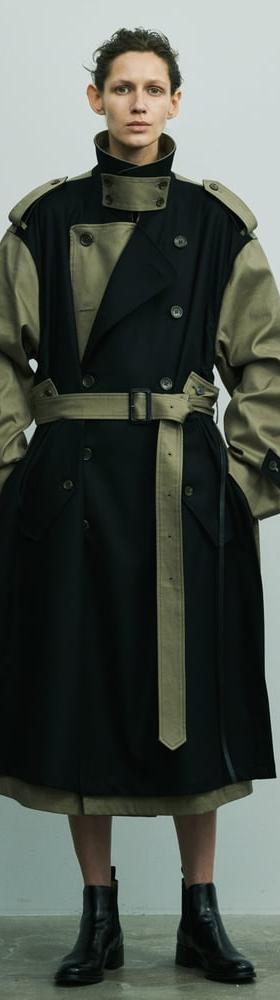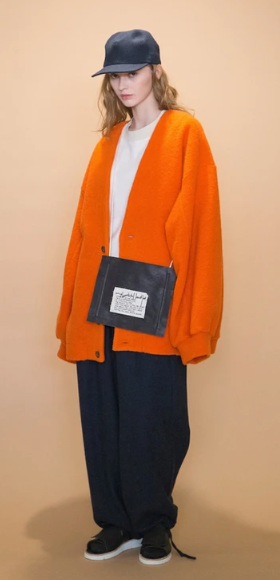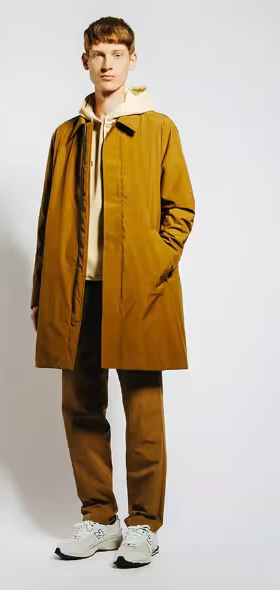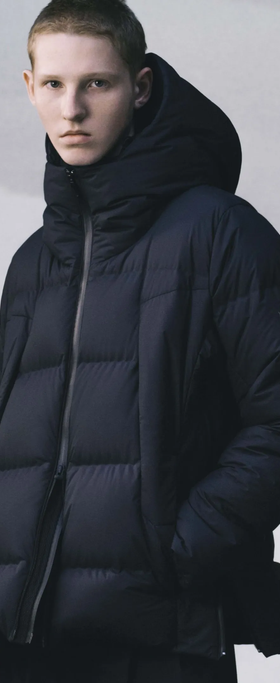
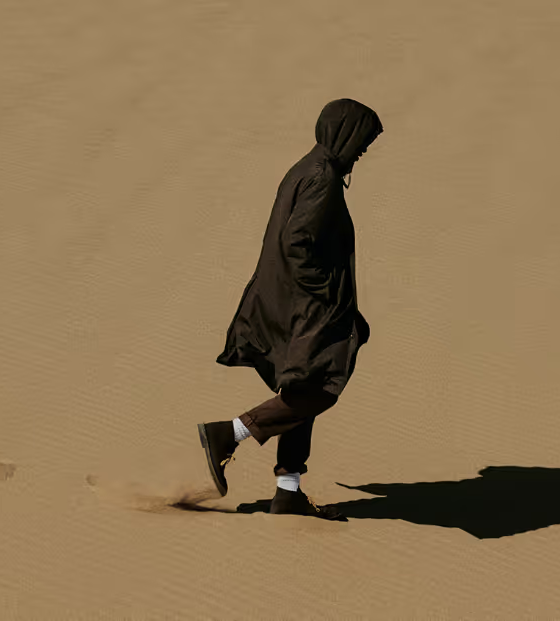
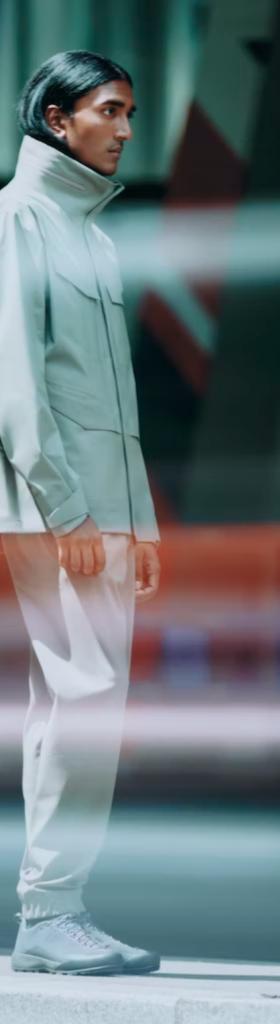
If you're a fan of Nanamica's unique blend of minimalist design and premium functionality, you'll find several brands like it that resonate with the same sensibilities. Arc’teryx Veilance, for example, shares a strong minimalist ethos while focusing on urban lifestyle needs. Snow Peak stands out for its dedication to quality materials and outdoor refinement, while Arys brings a contemporary urban twist to minimalism. These brands not only reflect Nanamica's appreciation for sophisticated design but also cater to those who appreciate timeless fashion embedded in functionality.
Show me
#1
Arc’teryx Veilance
90% match
Minimalist$$$$ · Similar priceVancouver, Canada · est. 2009
Veilance is Arc'teryx's Vancouver-born city line, applying Gore-Tex construction and minimalist tailoring to monochrome technical outerwear and trousers.
Why it's similar. Arc’teryx Veilance shares a minimalist aesthetic and premium material use, aligning closely with Nanamica's style.
Outdoor / Technical$$$ · Similar priceSanjo, Japan · est. 1958
Japanese outdoor brand from Sanjo, Niigata, pairing titanium camp gear with technical apparel; taken private by Bain Capital and the founding family in 2024.
Why it's similar. Both brands prioritize high-quality materials while focusing on a sophisticated, minimalist approach.
Minimalist$$ · CheaperLos Angeles, United States · est. 2020Made in USA
Los Angeles label founded in 2020 by stylist Chloé Bartoli, making seasonless women's essentials: second-skin bodysuits, ribbed tanks, slip dresses and loungewear.
Why it's similar. Very similar minimalist style, focus on premium materials, and premium pricing.
Minimalist$$$ · CheaperBerlin, Germany · est. 2014Made in Europe
Berlin label making minimalist, technically fabricated tracksuits and outerwear, sold alongside curated functional brands in its Prenzlauer Berg store.
Why it's similar. Arys aligns with Nanamica through its commitment to minimalist design and quality materials.
Minimalist$$$ · CheaperSeoul, South Korea · est. 2009
Seoul label founded in 2009, making minimalist utilitarian womenswear: structured blazers, pleated trousers and muted knitwear, with a smaller menswear line.
Why it's similar. Matches minimalist style and silhouette closely with a focus on high-quality fabrics.
$$$$$ · More premiumMunich, Germany · est. 1994Made in China
German technical apparel label founded in 1994 by Errolson Hugh and Michaela Sachenbacher, known for monochrome Gore-Tex shells and engineered garment systems.
Seoul outdoor label founded in 2011 by Euijae Lee, making climbing- and trail-rooted technical apparel, bags and accessories with city-wearable design.
$$$ · CheaperCzech Republic · est. 1986Made in Czech Repubkic
Czech technical outerwear brand making Gore-Tex shells and layering for alpinists, mountain rescue and military units, still family-owned and locally produced.
Tokyo label by Kiichiro Asakawa making genderless, minimal tailoring and wardrobe staples in unusual Japanese fabrics with quietly deconstructed silhouettes.
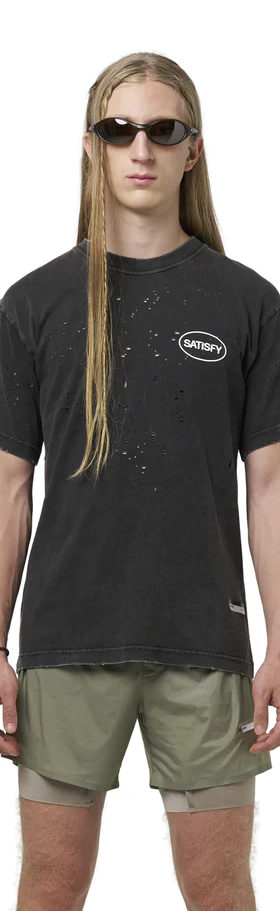
Paris-based technical running brand founded in 2015, pairing subculture-driven design with proprietary performance fabrics.
Why it's similar. Shares Nanamica's habit of engineering performance fabrics into wearable clothing, with Satisfy's Techsilk tees, MothTech merino and packable shells sold at similar premium wholesale prices.
Copenhagen label blending streetwear, workwear and Scandinavian minimalism, known for clean silhouettes and technical GORE-TEX outerwear.
Why it's similar. Like Nanamica, Norse Projects builds GORE-TEX outerwear around restrained everyday shirting and knitwear, though from Copenhagen rather than Tokyo, at a similar mid-high price.
DESCENTE ALLTERRAIN is the Japanese technical line of Descente, making waterproof shells, articulated trousers, and seam-sealed Mizusawa Down for city use.
Why it's similar. Like Nanamica, this Japanese label builds waterproof shells and outerwear on sport engineering, favoring muted colors, minimal branding, and Japanese mills at a comparable mid-high price.
Disco ranks brand alternatives using style overlap, category overlap, price tier, fit, colour palette, and cultural context. Scores are directional, not absolute. Read the full methodology →