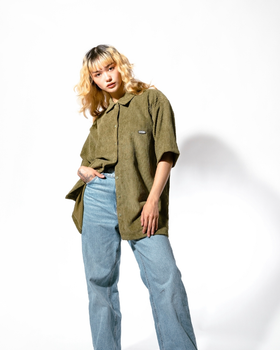
#2
Petals and Peacocks
San Jose unisex label known since 2011 for blunt slogan graphics on tees, hoodies, hats and accessories.
Why it's similar. Both brands prioritize sustainability and bold, bright aesthetics with relaxed fits.
 disco
disco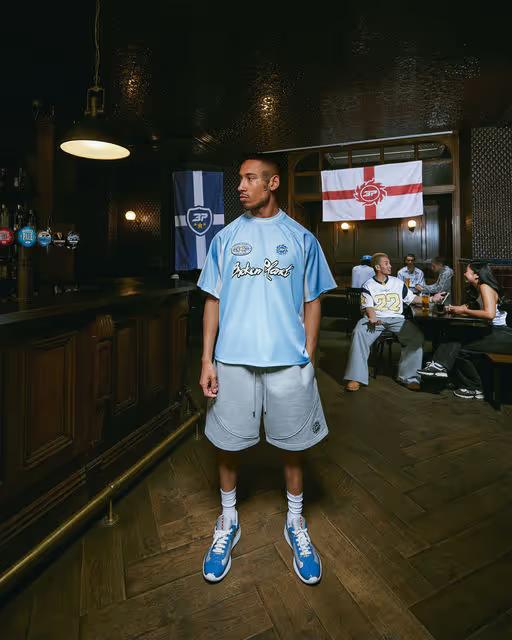
Looking to step up from Broken Planet? These 20 brands share the aesthetic but bring elevated materials, construction and a higher price tier — ranked by overall similarity.
San Jose unisex label known since 2011 for blunt slogan graphics on tees, hoodies, hats and accessories.
Why it's similar. Both brands prioritize sustainability and bold, bright aesthetics with relaxed fits.
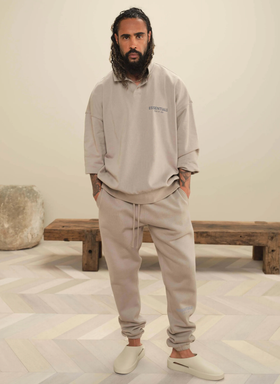
Los Angeles label founded in 2013 by Jerry Lorenzo, pairing oversized streetwear silhouettes with luxury fabrics and muted, neutral palettes.
Why it's similar. Both brands embrace streetwear aesthetics with oversized and relaxed silhouettes.
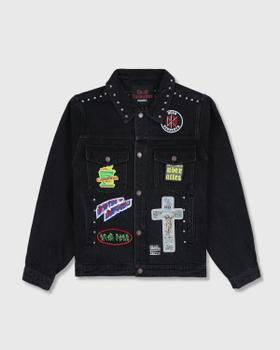
Los Angeles streetwear label turning punk, grunge and '90s subculture nostalgia into graphic apparel and prolific music collaborations.
Why it's similar. Pleasures shares the streetwear style, oversized silhouettes, and bold aesthetic of Broken Planet.
The weekly disco
Like these brands? Keep discovering.
One email a week — new brands worth knowing and the markdowns actually worth clicking.
Free · One email a week
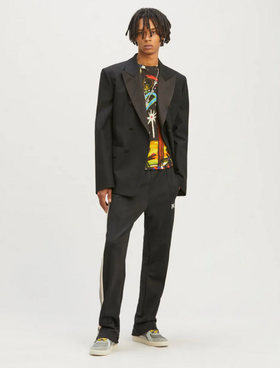
Milan-founded luxury streetwear label blending LA skate imagery with Italian production, owned by Bluestar Alliance since February 2025.
Why it's similar. Palm Angels began as Francesco Ragazzi's photo book on Los Angeles skaters and now prints those graphics in Italian factories, so a hoodie costs several times a Broken Planet one.
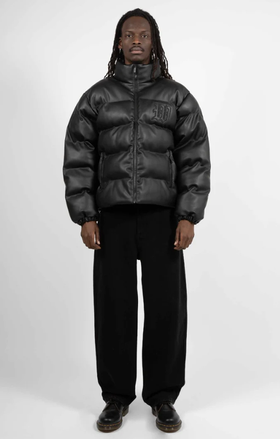
Independent Paris streetwear label founded in 2012, making skate- and 90s-subculture-inspired graphic tees, hoodies and outerwear.
Why it's similar. Similar streetwear style with bold, bright palette and relaxed fits.
What changes. 90s subculture and skate imagery, not space themes
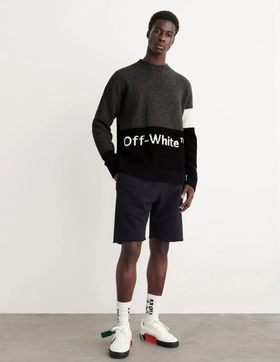
Milan-based luxury streetwear label founded by Virgil Abloh in 2012, owned by brand-management firm Bluestar Alliance since 2024.
Why it's similar. Both brands occupy the luxury streetwear space with bold designs and oversized fits.
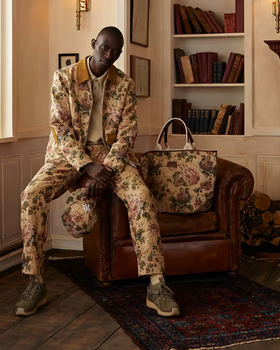
New York streetwear and lifestyle label founded in 2011 by Ronnie Fieg, known for sportswear staples and sneaker collaborations.
Why it's similar. Ronnie Fieg's New York label (2011) — elevated basics, marquee collabs and lifestyle retail. Less graphic-led than Broken Planet, same drop-calendar culture, a price step up.
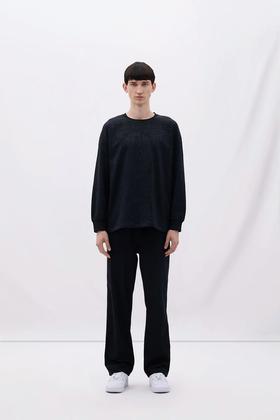
Istanbul-based luxury streetwear brand blending Eastern cultural motifs and embroidery with tracksuits, hoodies and outerwear, founded by Bünyamin Aydin in 2011.
Why it's similar. Istanbul luxury streetwear weaving Eastern cultural motifs through hoodies and sets — Broken Planet's motif-driven storytelling at a higher price point.
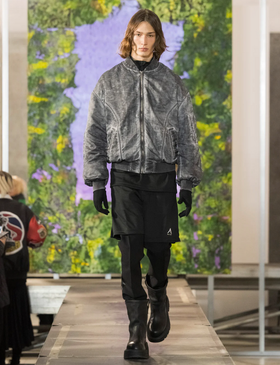
Matthew M. Williams' label pairing industrial buckle hardware and harnesses with technical outerwear and minimal tailoring, now Paris-based.
Why it's similar. Matthew M. Williams' label built on industrial buckles and harness hardware — where Broken Planet is soft cosmic graphics, ALYX is hard-edged technical luxury.
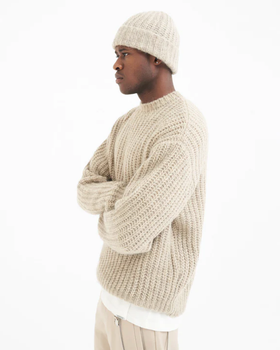
Founder-owned British luxury streetwear label from Manchester, known for graphic jersey, leather and its 247 performance activewear line.
Why it's similar. Manchester's founder-owned luxury streetwear — the natural upgrade path from Broken Planet inside the UK scene, with heavier fabrics and £100-200 pieces.
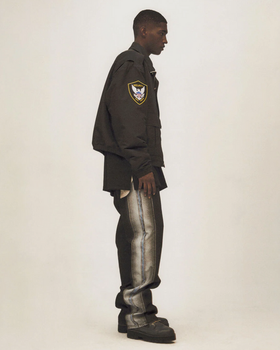
New York streetwear label built on workwear and uniform codes, independent again after founder Heron Preston bought it back from New Guards Group in 2025.
Why it's similar. New York label built on workwear and uniform codes, with sustainability projects of its own — it shares Broken Planet's eco messaging at a luxury-adjacent price.
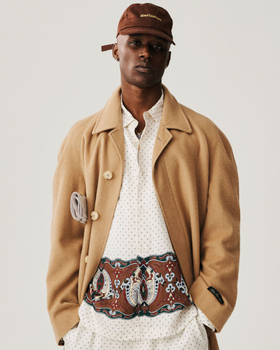
New York label founded by Teddy Santis in 2014, blending 1990s NYC streetwear with prep and Americana, plus long-running New Balance work.
Why it's similar. Teddy Santis' 90s-NYC-inflected label — far more polished and preppy than Broken Planet, but running the same community-and-drops playbook.
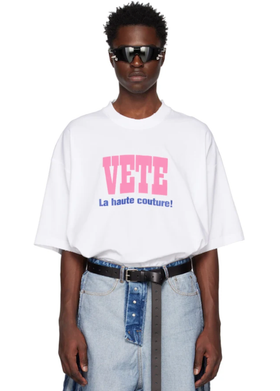
Paris-founded label led by Guram Gvasalia, turning workwear, merch and uniform codes into oversized, logo-heavy runway collections.
Why it's similar. Guram Gvasalia's Paris label — oversized silhouettes and merch-culture irony at couture prices; the high-fashion extreme of Broken Planet's oversized look.
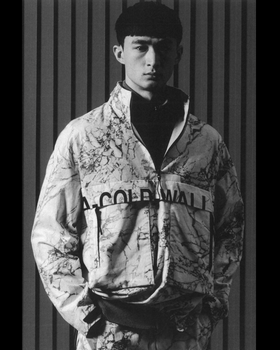
London brand founded in 2015 by Samuel Ross, pairing brutalist industrial design with technical outerwear; owned by Frasers-backed Four Marketing since late 2024.
Why it's similar. Samuel Ross's London brand pairing brutalist industrial design with technical garments — UK streetwear grown into gallery territory.
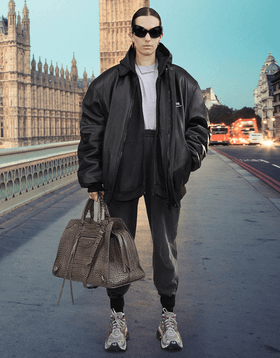
Kering-owned Parisian luxury house, founded in Spain in 1919, now led by Pierpaolo Piccioli after a decade under Demna.
Why it's similar. The luxury house that mainstreamed the oversized hoodie — Broken Planet's silhouette taken to $1,000+ runway scale, now under Pierpaolo Piccioli.
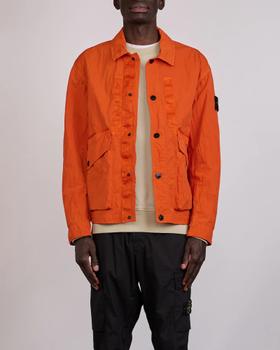
Italian technical menswear house, Moncler-owned since 2021, known for garment-dyed outerwear and its detachable compass-rose sleeve badge.
Why it's similar. Italian technical menswear with the compass badge — fabric innovation as identity where Broken Planet uses graphics; Moncler-owned since 2021.
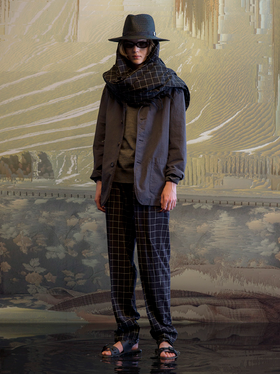
Jun Takahashi's Tokyo label, founded 1990, mixing punk, horror and art references with deconstructed tailoring in Paris-shown menswear and womenswear.
Why it's similar. Jun Takahashi's Tokyo institution (1993) mixing punk, horror and art references — the graduation path from graphic streetwear into designer territory.
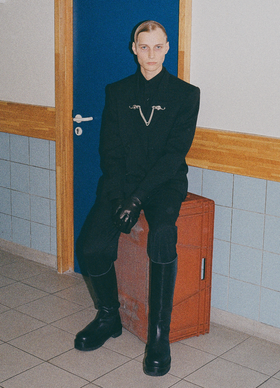
Los Angeles and Paris label by Henri Alexander Levy making punk-inflected luxury clothing in deliberately tiny production runs.
Why it's similar. Henri Alexander Levy's punk-inflected LA/Paris label — hand-treated pieces at many times Broken Planet's prices.
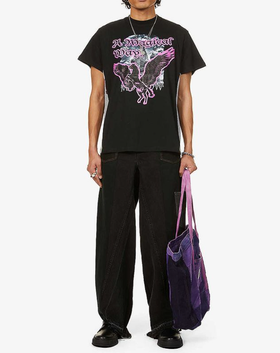
London menswear label founded in 2013, making oversized, graphic-led clothing rooted in British subculture, often from upcycled and deadstock fabrics.
Why it's similar. London menswear (2013) making oversized, graphic-led clothes with an art-school edge — a small-batch counterpart to Broken Planet's drops.
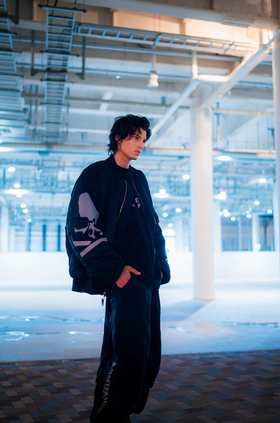
Tokyo luxury streetwear label founded in 1997 by Masaaki Homma, known for its skull-and-crossbones motif and all-black, Japan-made menswear.
Why it's similar. Masaaki Homma's Tokyo label (1997) built on the skull-and-crossbones — dark-graphic streetwear at collector prices.
Petals and Peacocks, Fear of God, PLEASURES lead our ranking. Looking to step up from Broken Planet? These 20 brands share the aesthetic but bring elevated materials, construction and a higher price tier — ranked by overall similarity.
Community recommendations
We're always discovering new labels. Suggest a brand we should look into.
Own a brand?
Spotted outdated information?