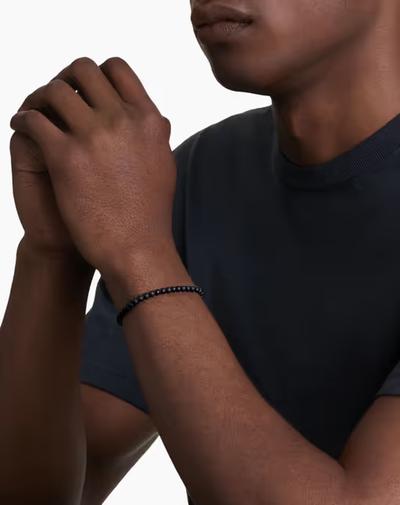
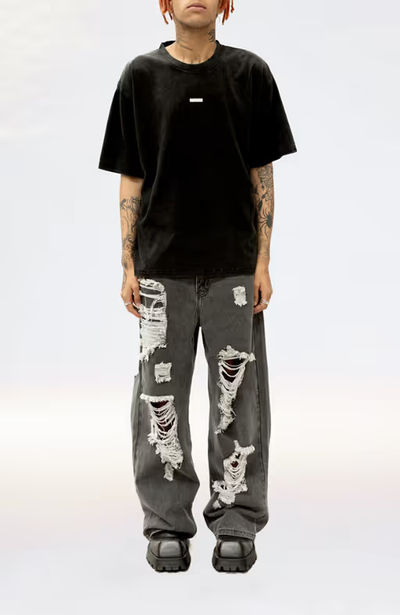
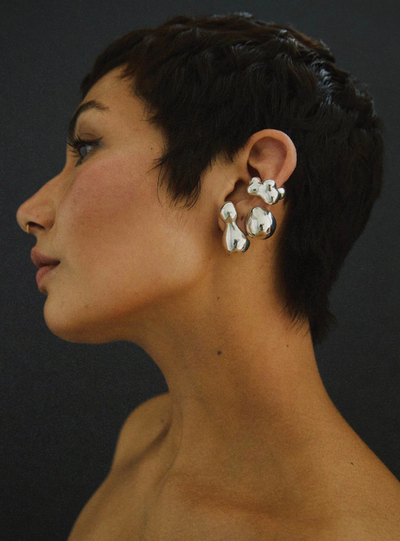
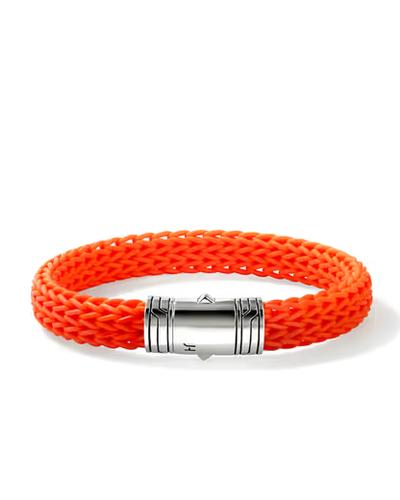
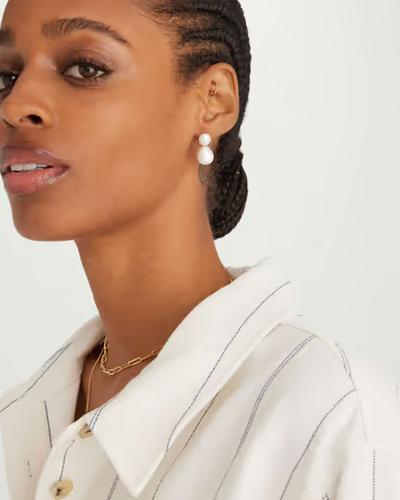
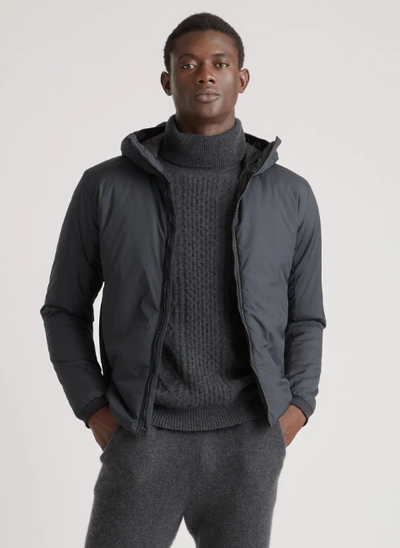
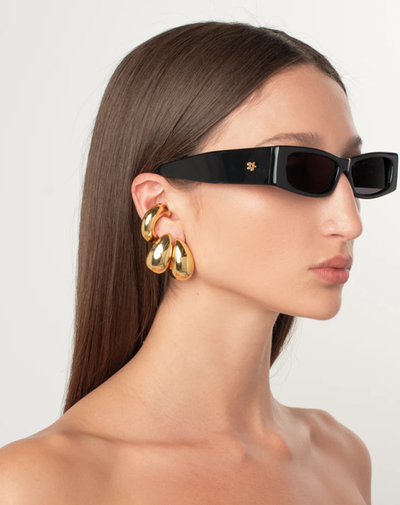
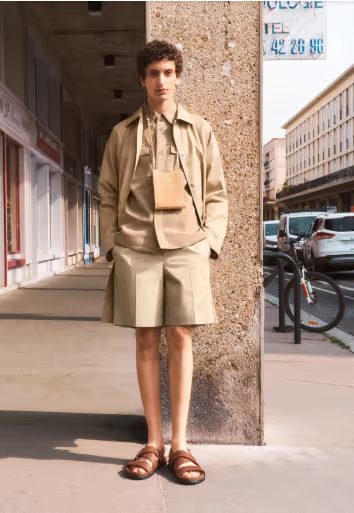
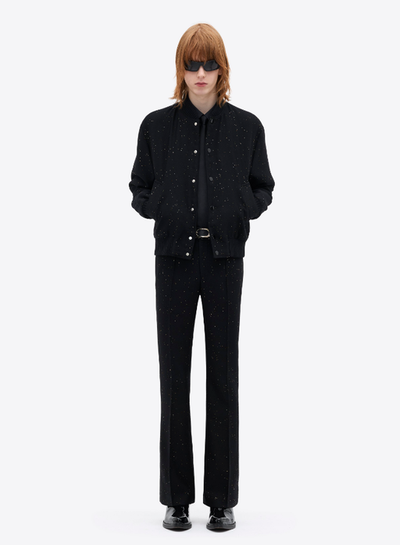
The jewellery brands streetwear is known for, from Chrome Hearts and Ambush to Vitaly and Hatton Labs, followed by the fine and minimal makers (Tom Wood, All Blues, Miansai, Le Gramme) and the rest. Each one is listed with what its pieces are made of, as the maker states it: solid sterling or gold, vermeil, plated or steel.
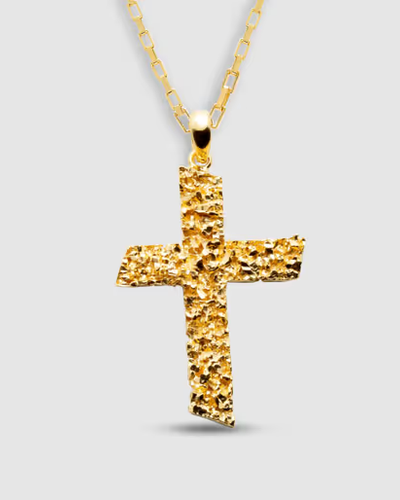
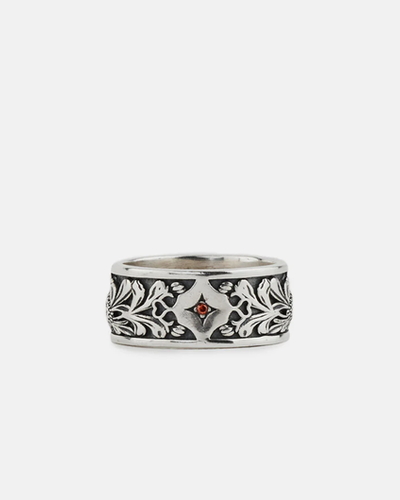
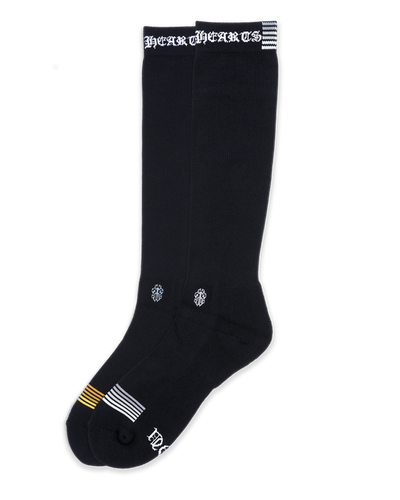
The grail of streetwear jewellery: a family-run Los Angeles label making sterling silver jewellery on cross, dagger and fleur-de-lis motifs, alongside leather outerwear.
What changes: Sold mainly through its own stores; its website showed no products or prices when we checked. Reddit splits evenly, 3 for and 3 against.
Tokyo label founded in 2008 by Yoon Ahn and Verbal, beginning as a hip-hop-inflected jewellery line before ready-to-wear. Its web shop's jewellery today runs to chain rings, a Pill charm necklace, a Zip Tie bracelet and Zodiac necklaces.
What changes: Everyday objects turned into jewellery: louder and more playful than the silver specialists further down.
Brooklyn label making modular, unisex chain jewellery rooted in '90s and early-2000s New York hip-hop and grunge: Cuban and figaro ID bracelets, ball chains and a wallet-chain necklace.
What changes: Works in sterling silver and in brass, so check the metal on each product page.
Vancouver jewellery studio of designer Austin McMahon, working mainly in recycled sterling silver: rings, chains, pendants and bracelets that draw on nineties music, raves, surf, skate and Japanese streetwear.
What changes: Character pieces built to stack, stocked by retailers including END (no Maple stock on END's US site when we checked).
Toronto label (2011) making genderless jewellery from recycled stainless steel, with architectural designs: the Dash ring is inspired by crossbeams, the Glide pendant by Art Deco. Chunky chains and the Riot choker anchor the range.
What changes: The cheapest honest metal on the list: its 3 mm Cuban chain is $50 and the Solar signet $55, in steel with nothing to plate off.
London label (2017) based in Hatton Garden, the city's jewellery quarter, making sterling silver and gold by hand: Classic and Miami Cuban chains and bracelets, a Cuban Link ring, and freshwater pearl chains and bracelets.
What changes: Mixes British heritage jewellery codes with London subculture; positioned as gender-fluid.
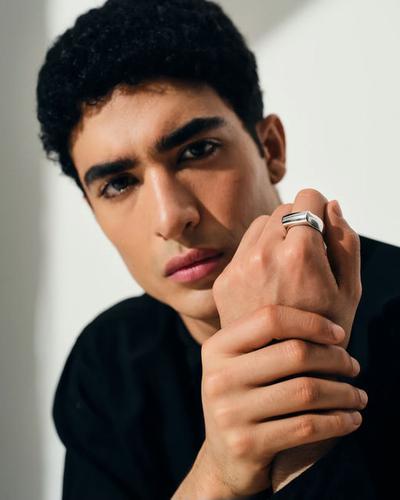
Oslo label (2013) built on unisex cushion- and oval-faced signet rings and curb and rope chains. Its US store lists 925 silver, 100% recycled, under white rhodium plating: the 2.9 mm Curb Chain M is $369.
What changes: The quietest high-end option here: no logos, signets from $479, EU ring sizes.
Stockholm label (2010) casting recycled 925 silver and 18ct gold at a Stockholm foundry; pieces are hallmarked for metal and origin and made in Sweden.
What changes: Sculptural rather than classic: the 3 mm Fold necklace is $270, the open Round ring $240, sized in EU 48–68.
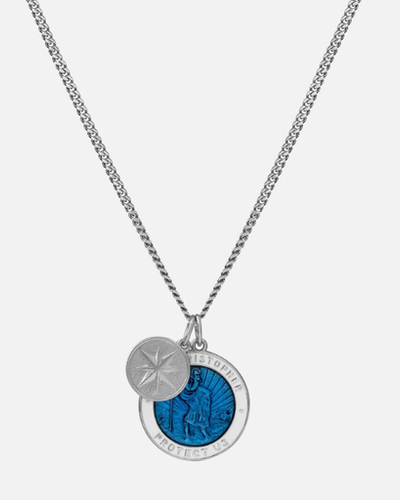
The Miami label behind the hook-and-rope bracelet, still its easy way in: the Cruz Rope Bracelet is $105, nylon with a rhodium-plated sterling silver hook.
What changes: Its product pages state plating in a Specifications block (rhodium or platinum over sterling), so read that before buying; signets like the Arden run $185.
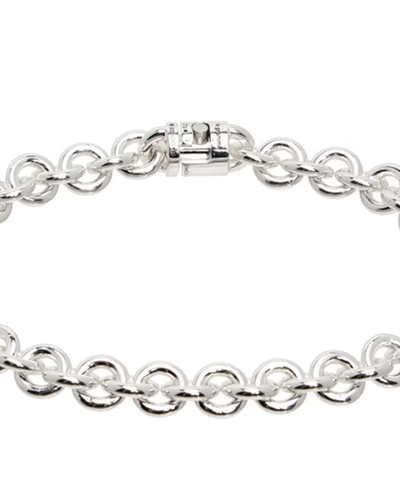
Paris label launched at Colette in 2013 as a men's line; every piece is named for its weight in grams of 925 silver, titanium or 18-carat gold, and made in France.
What changes: Cable and ribbon bracelets built to stack. Its store shows euros with no US market, so check shipping before buying.
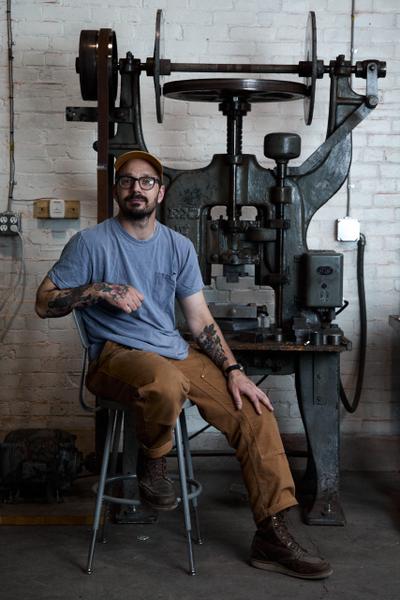
Pittsburgh workshop hand-forging cuffs, rings and chains in brass, copper, sterling, steel and solid gold, with a lifetime guarantee.
What changes: The best value here: the Workshop Cuff is $78 in brass or copper and the Felix signet $98 in brass or $168 in sterling. Brass and copper darken with wear.
New York house (1980) built on the twisted Cable motif, with a men's line led by Evan Yurman. The 3 mm DY Madison chain is sterling silver, $410–$490 depending on length.
What changes: The priciest name for plain silver here: a 6 mm sterling curb chain runs $1,500–$1,700.
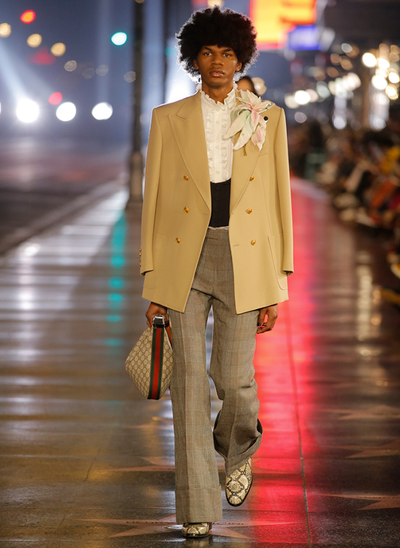
Gucci's US silver jewellery, reached from its men's jewellery page, is built on three house motifs: the Marina Chain, the Interlocking G and GG Marmont. The Marina Chain ring is $320 and the cord bracelet $290.
What changes: A fashion house's logo jewellery in silver, priced above the specialists' plain pieces.
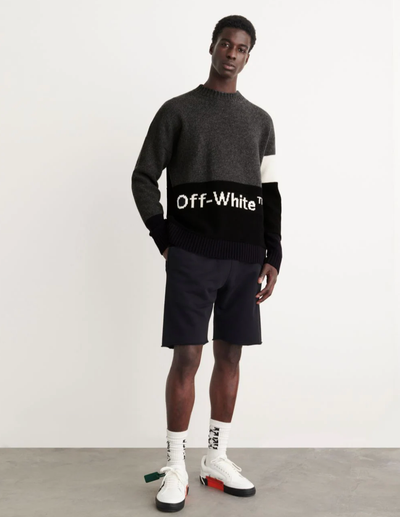
Milan label whose US store lists a men's jewellery range (27 items when read), led by the Arrows logo: enamel Arrow rings and bracelets and paperclip chains.
What changes: Logo jewellery from a fashion house: check each product page for the metal.
Toronto fine-jewellery brand selling 14k gold, vermeil and sterling silver direct, with a men's collection on its US store: the Roman Signet is $228 in 91% recycled sterling.
What changes: Better known for women's pieces, and Reddit is divided on it: 58 commenters for, 109 against in our sample.
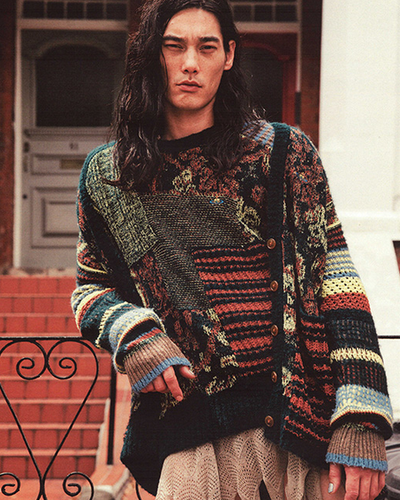
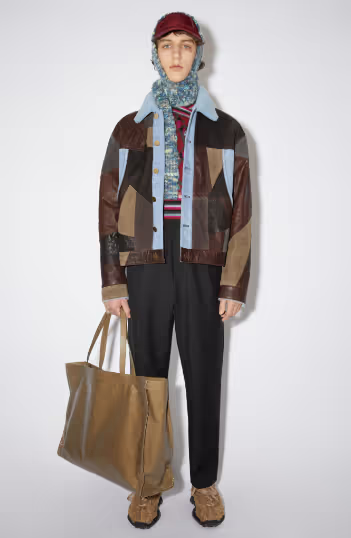
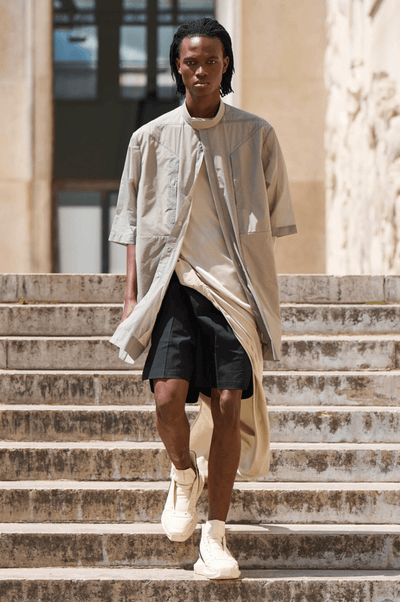
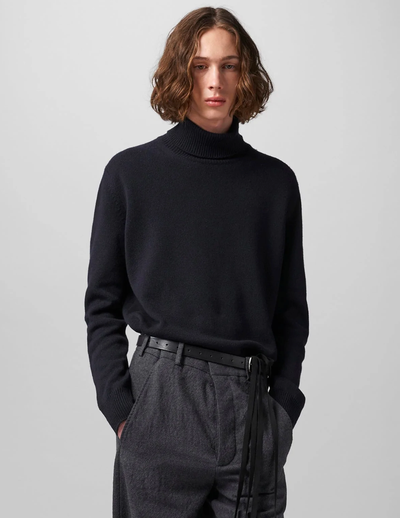
Seoul menswear label making minimalist, carefully tailored ready-to-wear: oversized shirting, loose knitwear and wide-leg trousers in cotton and Italian wool.
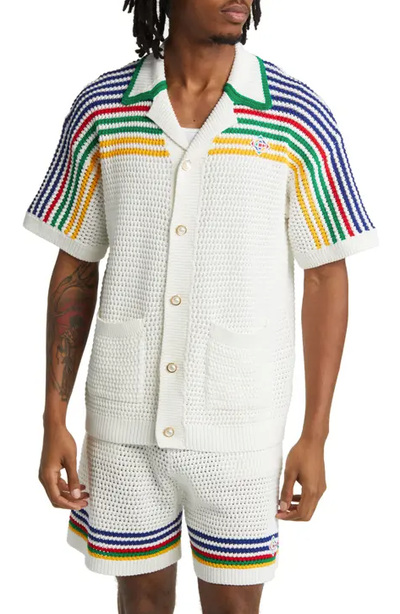
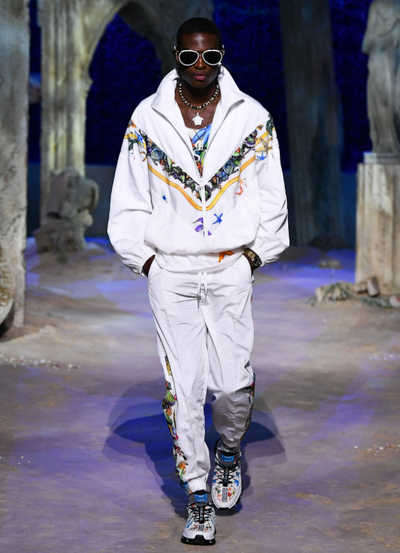
Paris luxury label founded in 2018 by Charaf Tajer, known for hand-painted silk prints and leisure-luxury tailoring rooted in his French-Moroccan heritage.
South Korean contemporary jewelry label by Noori Kim, handcrafting minimalist sterling silver and gold-plated pieces marked with signature numbered engravings.
Every brand here is listed with what its jewellery is made of, as the maker states it. The specialists in solid metal lead: Tom Wood, Miansai, David Yurman, All Blues, Le Gramme, Bleue Burnham, Maple, Hatton Labs, Serge DeNimes and John Hardy work in sterling silver or gold; Vitaly in stainless steel; Studebaker Metals in hand-forged brass, copper and silver. Veneda Carter and Faris add vermeil, and In Gold We Trust Paris and Éliou use plated finishes.
From $50 to the grail
Vitaly's steel chains and rings start around $50, Studebaker Metals' cuffs at $78 and Quince's sterling chain at $98. Miansai, Mejuri and All Blues sit at roughly $100–$350. Tom Wood and David Yurman run from about $300 into four figures for heavier chains. Chrome Hearts is the grail, sold mainly through its own stores.
Statement or quiet
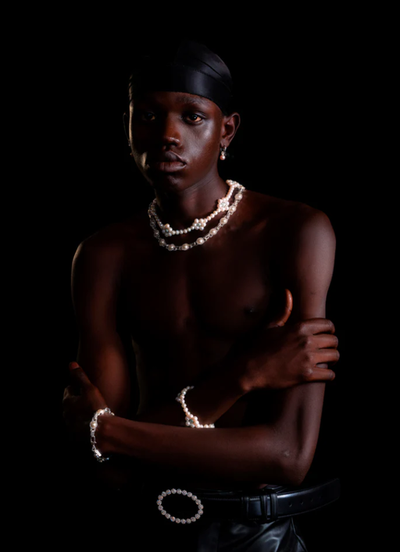
For plain everyday pieces, start with Tom Wood, All Blues or Quince. For louder streetwear jewellery, go to Ambush, Veneda Carter, Chrome Hearts or Off-White's Arrows pieces. For pearls and beads, Éliou and Vivienne Westwood.
What's the difference between sterling silver, solid gold, vermeil, gold-filled and plated?
Sterling silver is at least 92.5% silver all the way through: under the FTC's Jewelry Guides a piece cannot be called sterling below 925. Solid gold is the karat all the way through, so 14k is 58.3% gold. Vermeil is sterling silver coated with gold of at least 10 karat, at least 2.5 microns thick. Gold-filled is a gold alloy layer bonded mechanically to a base metal, at least 1/20 of the piece's weight. Gold electroplate needs only 10 karat and 0.175 microns, about a fourteenth of vermeil's minimum, usually over brass.
Which of these brands use solid metal?
Tom Wood, All Blues, Bleue Burnham, Maple, Hatton Labs, Serge DeNimes, John Hardy, Le Gramme and Chrome Hearts work in solid sterling silver or gold. Vitaly uses stainless steel, and Studebaker Metals forges solid brass, copper and silver. Veneda Carter, Faris and Serge DeNimes also sell vermeil, and In Gold We Trust Paris plates silver, steel and brass in 18-carat gold or palladium. Read each product page: the same brand can sell more than one.
Is rhodium-plated silver still solid silver?
Yes. Rhodium or platinum plating is a thin bright coating over sterling silver to slow tarnish. Tom Wood and Miansai both state it on their product pages. The silver underneath is solid, but the white shine is the plating, and it can wear where a piece rubs.
Will it tarnish or turn my skin green?
Sterling silver darkens over time and polishes back with a cloth. Brass and copper darken faster and can leave a green mark on skin, which washes off. Plain stainless steel does neither. Plating and vermeil can wear through to the metal underneath, faster on rings and bracelets than on pendants.
How do I check what I'm buying?
Look for a stamp (925 for sterling, 14k or 585 for 14-karat gold) and for the maker naming both the base metal and any coating. If a listing says only "gold tone" or "silver finish", assume it is plated.
Rings, necklaces or bracelets: where do I start?
Start with the piece you'll wear every day, usually a chain or a ring, and buy it in solid metal: sterling silver or solid gold outlasts plating on anything that rubs. Rings take the most wear, so check the metal on the product page before the design. Each card says what that brand is known for.
Help improve Disco
Did we miss a great one?
Know a brand we overlooked, or have an idea for a guide? We're always looking for good recommendations.
Own or represent a brand? Think it belongs here? Send it our way.

 #1