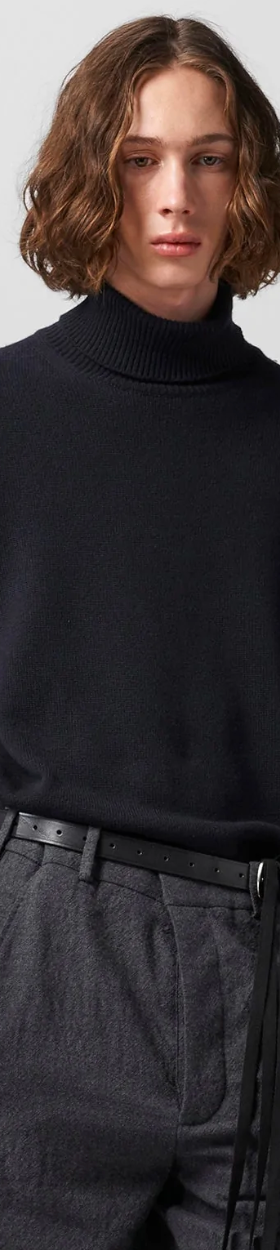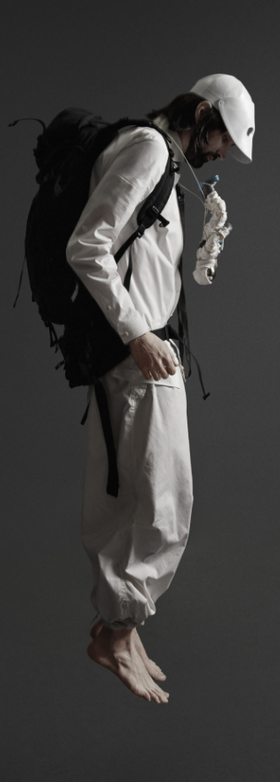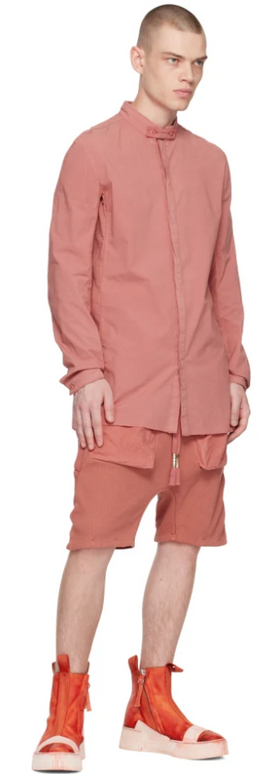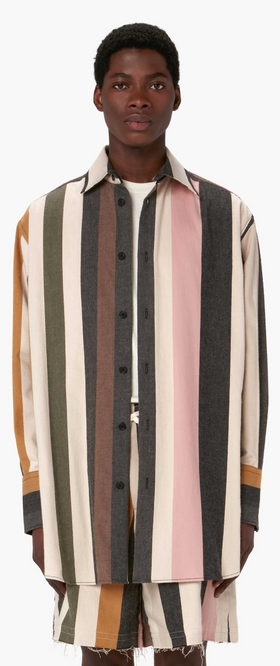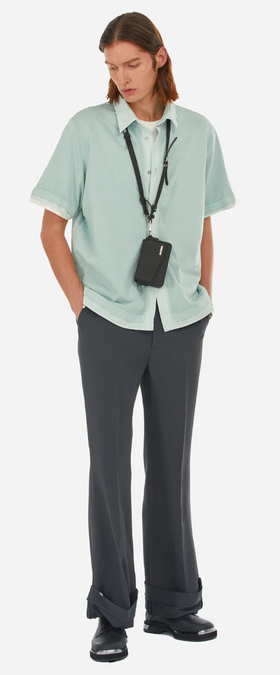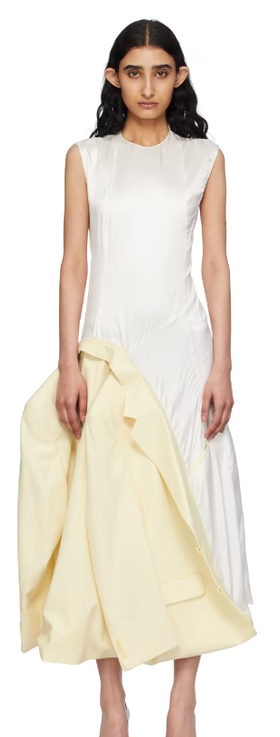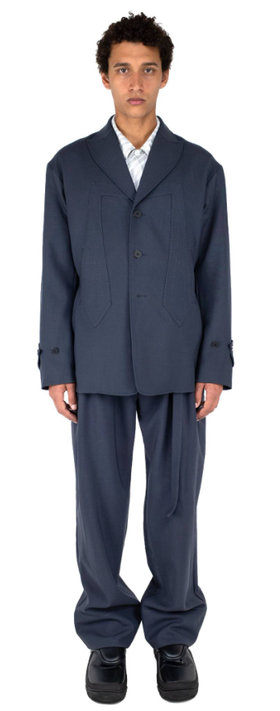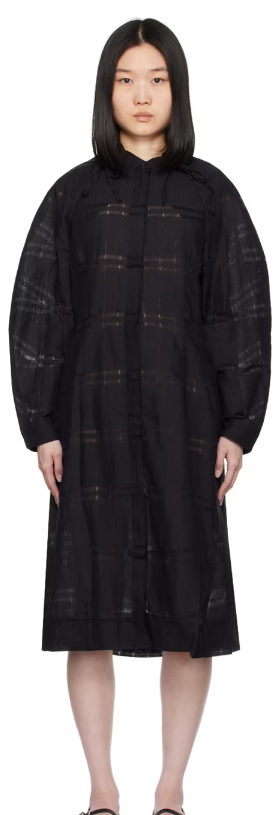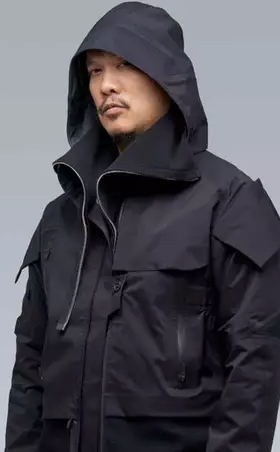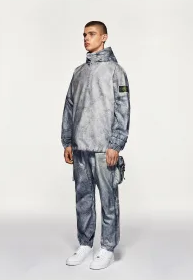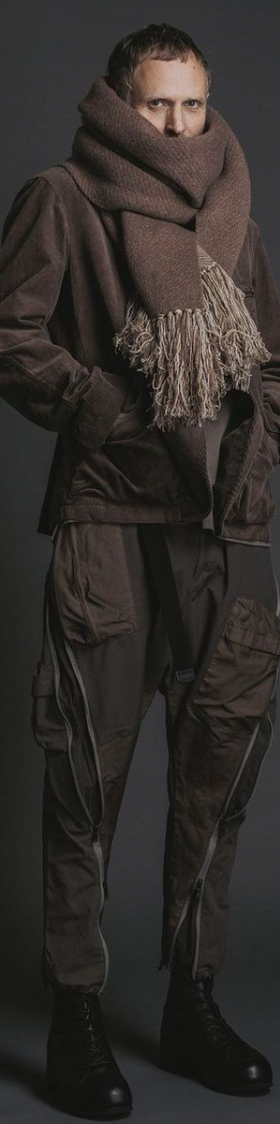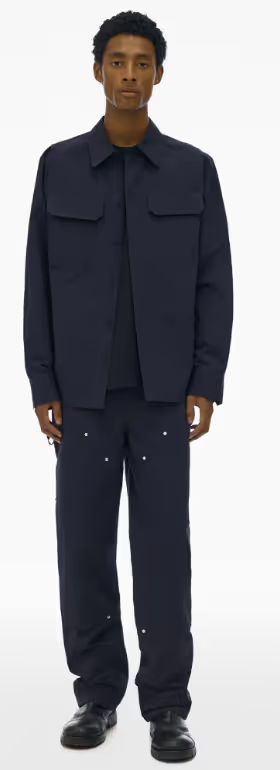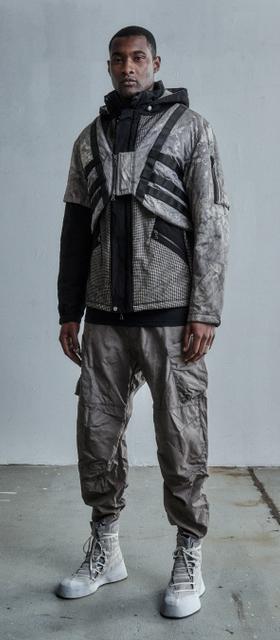
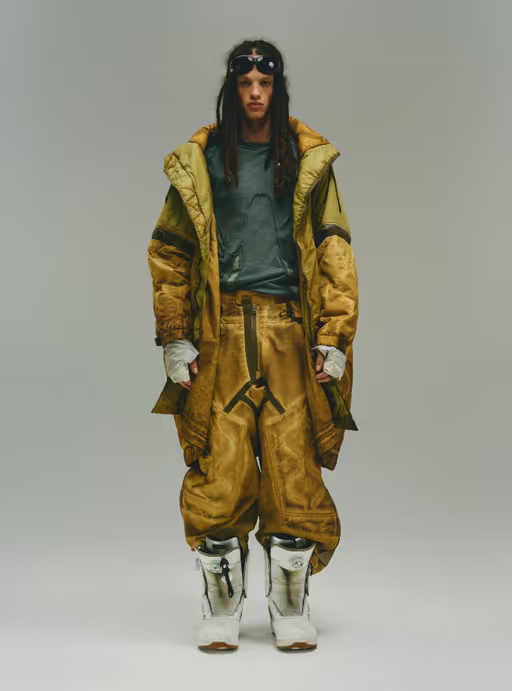
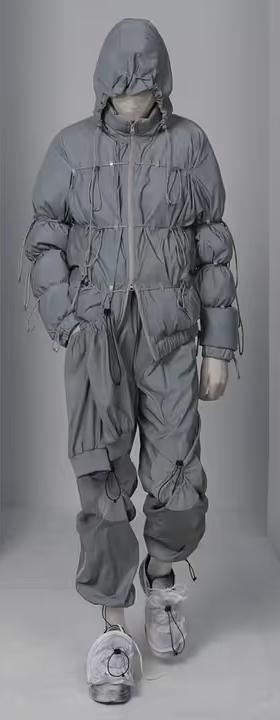
If you wear Hamcus for its dystopian sci-fi techwear — geo-cut cargo pockets, panelled military layering, muted greys and blacks — this list covers the labels working the same territory at similar or lower prices. The closest matches are POST ARCHIVE FACTION for asymmetric technical construction, ACRONYM for pure engineered shell-wear, and Julius or The Viridi-Anne for dark Japanese layering. Expect very-high pricing across most of them; N.Hoolywood, Aitor Throup and Helmut Lang are the accessible entry points.
Show me
#1
POST ARCHIVE FACTION
$$$$ · Similar priceSeoul, South Korea · est. 2018Made in Asia
Seoul menswear label using industrial-design logic for asymmetric, technical garments split across its Right, Center and Left lines.
Why it's similar. Seoul label applying industrial-design logic to asymmetric seaming, exposed hardware and sculptural technical outerwear — the closest match to Hamcus's engineered panelling, at a tier below its pricing.
$$$$$ · Similar priceLos Angeles, United States · est. 2011Made in USA
Los Angeles label by artist-designer Greg Lauren, hand-building deconstructed, patchworked luxury menswear from army surplus canvas, tents and vintage fabrics.
Why it's similar. Shares Hamcus's military-surplus source material and hand-built, deconstructed construction, though Greg Lauren works patchwork canvas and tents rather than technical fabric.
Issey Miyake's Reality Lab line, making origami-folded garments from recycled polyester that flatten into geometric shapes and open into three-dimensional forms.
Why it's similar. Issey Miyake's Reality Lab line builds garments from computational-origami folds in recycled polyester — the same interest in engineered, geometry-first construction Hamcus applies to military shapes.
$$$ · CheaperLondon, United Kingdom · est. 2006Made in Europe
London studio of designer Aitor Throup, known for anatomical, seasonless menswear archetypes and a new ready-to-wear label, Aitor Ultra, arriving 2027.
Why it's similar. London studio making anatomically cut jackets, rotated seams and custom zip systems as fixed archetypes rather than seasonal collections; a mid-high-priced route into Hamcus's engineered menswear.
$$$$$ · CheaperBarcelona, Spain · est. 2006Made in Europe
Barcelona avant-garde menswear label known for hand-treated leathers and dark layered tailoring; ceased operations in July 2025.
Why it's similar. Barcelona avant-garde menswear with hand-treated leathers, obliquely cut trousers and garment numbering in Hamcus's dark register; operations ceased in July 2025, so it is resale-only now.
$$$$ · CheaperLondon, United Kingdom · est. 2008Made in Europe
London label founded by Jonathan Anderson in 2008, known for gender-fluid, craft-led design, sculptural knitwear and Bumper and Chain bags.
Why it's similar. Craft-led, gender-fluid London label known for sculptural, distorted knitwear — experimental like Hamcus but far softer and more decorative than techwear.
$$$$ · CheaperLondon, United Kingdom · est. 2012Made in Europe
London label by Natalia Alaverdian making sculptural, deconstructed womenswear, shown on the Paris Fashion Week calendar.
Why it's similar. London womenswear built on sculptural, deconstructed cutting applied to shirting and coats, sharing Hamcus's structural approach on the Paris calendar.
$$$$ · CheaperLos Angeles, United States · est. 2014Made in Asia
Los Angeles label founded in 2014 by Yixi Chen, making retro-futurist, science-inflected menswear built on technical outerwear, treated denim and utility tailoring.
Why it's similar. Retro-futurist, science-referencing menswear in coated denim, technical outerwear and utility cargos across washed greys and industrial tones — arguably the closest mood match to Hamcus for less money.
$$$$$ · Similar priceStockholm, Sweden · est. 2021Made in Europe
Stockholm label by Ellen Hodakova Larsson turning found and deadstock materials into sculptural upcycled tailoring; winner of the 2024 LVMH Prize.
Why it's similar. Stockholm label reconstructing found belts, cutlery and deadstock into sculptural tailoring; shares Hamcus's construction-first, material-led thinking with an upcycling angle.
$$$$ · CheaperLondon, United Kingdom · est. 2016Made in Europe
Independent London label founded in 2016, known for technical, curve-panelled menswear and a Fanning-sisters-designed womenswear line.
Why it's similar. Technical fabrics, curved panelling and utility shirting in muted workwear palettes make this the closest London parallel to Hamcus's panelled military cutting.
$$$ · CheaperCopenhagen, Denmark · est. 2001Made in Europe
Copenhagen label by Danish designer-artist Henrik Vibskov, known for bold prints, sculptural silhouettes and theatrical, installation-like runway shows.
Why it's similar. Copenhagen designer working oversized, sculptural tailoring and knitwear, though his loud prints and theatrical sets sit far from Hamcus's muted palette.
Milan-based avant-garde label from Croatian designer Damir Doma, known for draped, sculptural garments in muted natural fabrics.
Why it's similar. Milan label building draped, layered outerwear and wide trousers in washed grey, sand and black — Hamcus's muted tonal register without the military hardware.
Tokyo avant-garde label founded in 2001 by Tatsuro Horikawa, known for near-monochrome black, layered drape and asymmetric menswear.
Why it's similar. Tokyo avant-garde menswear in near-monochrome black with layered drape, strap-detailed outerwear and drop-crotch trousers — a core reference point for Hamcus's dark techwear layering.
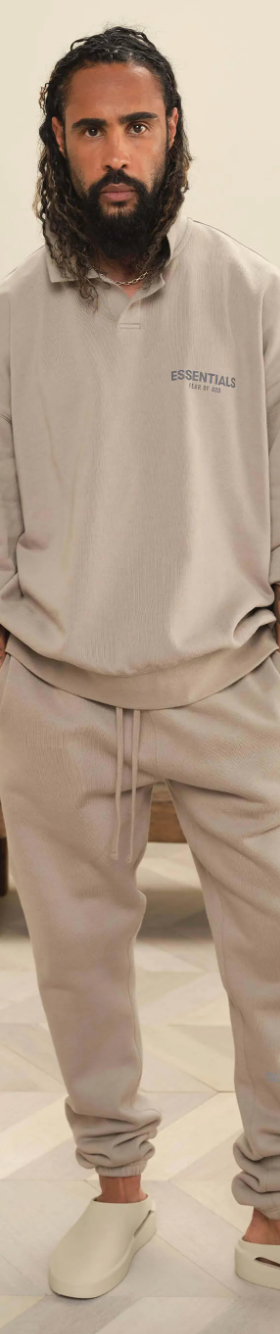
$$$$ · CheaperLos Angeles, United States · est. 2013
Los Angeles label founded in 2013 by Jerry Lorenzo, pairing oversized streetwear silhouettes with luxury fabrics and muted, neutral palettes.
Why it's similar. Los Angeles label pairing oversized silhouettes and relaxed tailoring with luxury Italian fabrics in muted neutrals, released as numbered chapters rather than seasons.
Tokyo menswear label founded in 2001 by Daisuke Obana, reworking American military and workwear archives into themed, relaxed tailoring.
Why it's similar. Tokyo label reworking American military archives into layered outerwear and utility trousers, giving Hamcus's military DNA at mid-high prices via its COMPILE line.
$$$$$ · Similar priceMunich, Germany · est. 1994Made in China
German technical apparel label founded in 1994 by Errolson Hugh and Michaela Sachenbacher, known for monochrome Gore-Tex shells and engineered garment systems.
Why it's similar. The benchmark for engineered techwear: monochrome Gore-Tex hardshells, articulated trousers and systems like the Gravity Pocket and Jacketsling, closely aligned with Hamcus's technical menswear.
Italian technical menswear house, Moncler-owned since 2021, known for garment-dyed outerwear and its detachable compass-rose sleeve badge.
Why it's similar. Italian technical menswear built on garment dyeing and coated, reflective fabrics with Ghost Piece and Prototype Research releases — utilitarian and fabric-led like Hamcus, now Moncler-owned.
Tokyo avant-garde menswear label founded in 2001 by Takahiro Miyazaki, known for dark, garment-dyed layering and asymmetric tailoring.
Why it's similar. Tokyo label working black and charcoal layering, asymmetric cuts and coated technical cloths with heavy garment dyeing, in Hamcus's dark avant-garde register.
$$$ · Similar priceVienna, Austria · est. 1986Made in Europe & Asia
Austrian-born, New York-based label defining 1990s minimalism through deconstructed tailoring, technical fabrics and raw-edge denim; owned by Fast Retailing.
Why it's similar. The 1990s minimalist template for deconstructed tailoring, technical fabrics and harness and strap detailing; now Fast Retailing-owned and the cheapest way into this look.
Hong Kong technical menswear label making function-first utility jackets and cargo trousers with harness details and performance fabrics.
Why it's similar. Hong Kong technical menswear label making function-first utility jackets and cargo trousers with harness details and performance fabrics.
French label making experimental, made-to-order garments in technical fabrics, drawing on workwear silhouettes and sold direct in numbered collections.
Why it's similar. Like Hamcus, Enfin Levé builds multi-pocket utility garments in technical fabrics with a muted monochrome palette, though its French made-to-order jackets and vests favour articulation over sci-fi narrative.
Disco ranks brand alternatives using style overlap, category overlap, price tier, fit, colour palette, and cultural context. Scores are directional, not absolute. Read the full methodology →
POST ARCHIVE FACTION. Both build garments from an industrial-design logic — asymmetric seaming, exposed hardware, technical fabrics and sculptural outerwear — and both come out of Asia, PAF from Seoul (founded 2018) and Hamcus from Hong Kong (2013). PAF generally prices a tier below Hamcus.
Yes — dystopian sci-fi techwear specifically. Its PRMTVSM and PMU (Prime Military Units) lines use panelled construction, multi-pocket military jackets and geo-cut cargo pockets in muted greys, blacks and earth tones. ACRONYM is the closest pure-techwear comparison.
Only second-hand. The Barcelona label told stockists in May 2025 it would cease production and all operations by the end of July 2025, with Spring/Summer 2026 as its final collection, so remaining pieces circulate through resale and leftover stockist inventory.
Has Hamcus collaborated with anyone?
Yes — Hamcus released the DUSZENERATION collection with adidas Originals in December 2022, reworking the NMD S1.