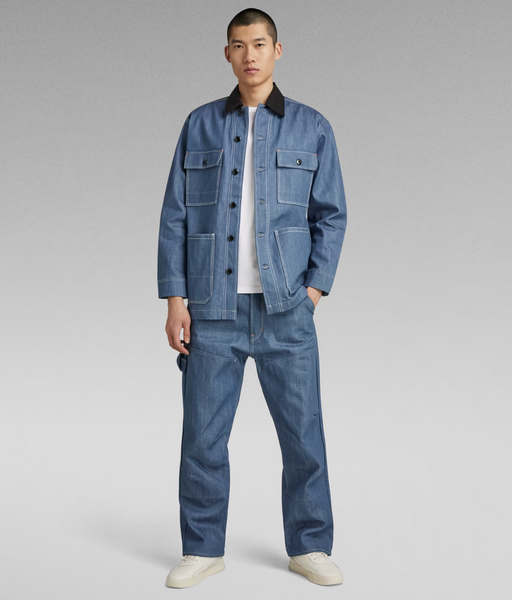
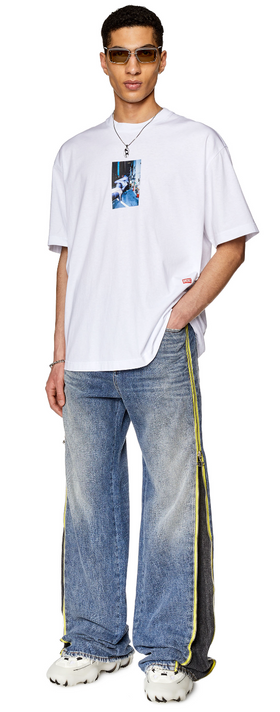
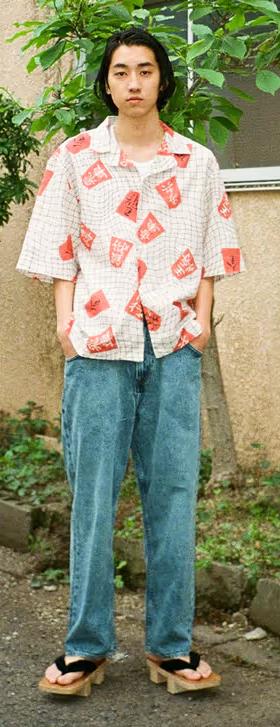
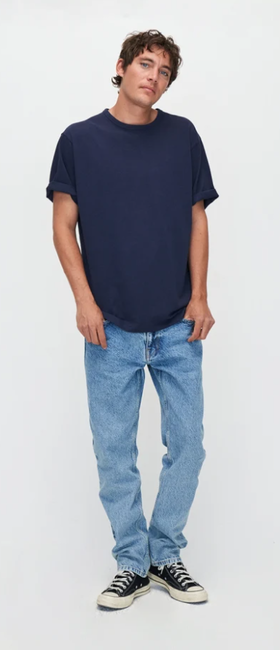
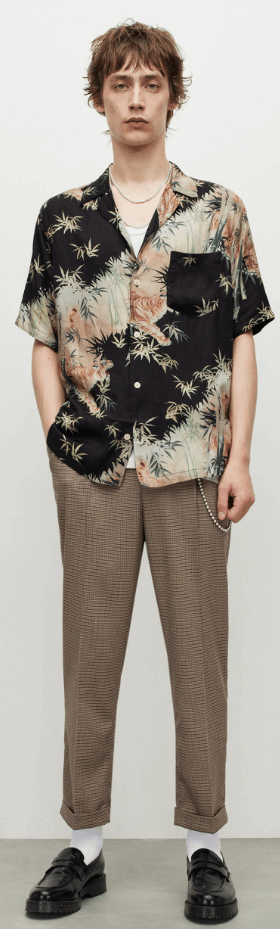
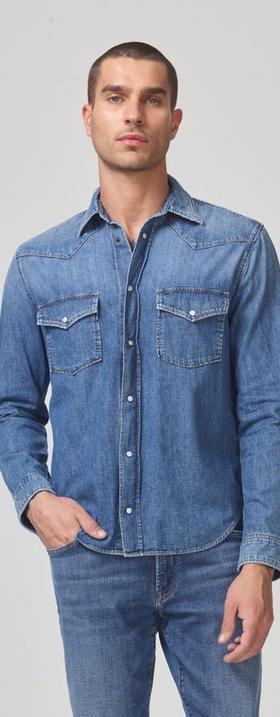
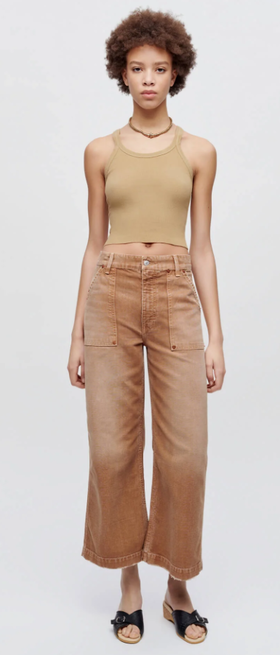
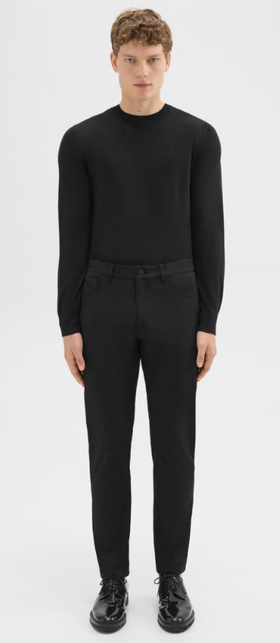
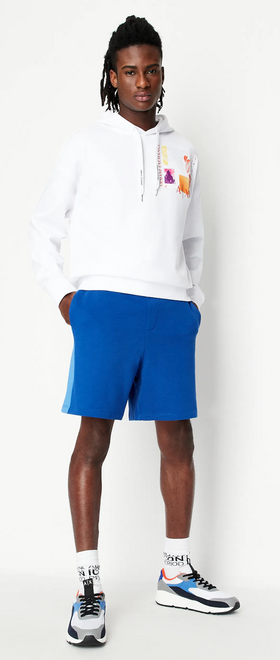
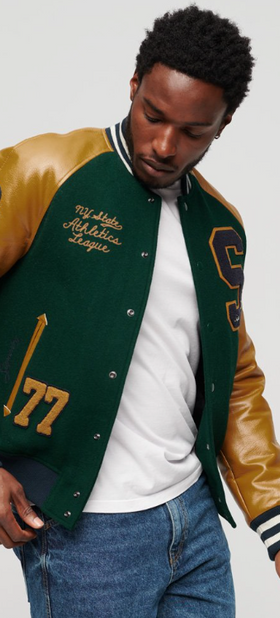
We compared 26 brands similar to G-Star RAW on fit, price and aesthetic — skewing more affordable (9 of 26), led by Diesel and Edwin.
If you love G-Star RAW and are looking for brands with a similar ethos, you're in luck! Brands like Diesel and Nudie Jeans present edgy styles while prioritizing sustainability. If the contemporary look of G-Star resonates with you, check out AllSaints for quality craftsmanship in chic apparel. Explore these brands to discover innovative denim and sustainability-driven fashion that fits today's streetwear culture.
Show me
#1
Diesel
88% match
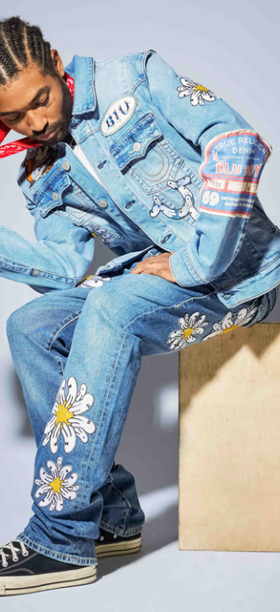
Contemporary$$$ · Similar priceMolvena, Italy · est. 1978Made in Asia
Italian denim house founded by Renzo Rosso in 1978, now part of OTB Group; Glenn Martens left as creative director after his September 2026 show.
Why it's similar. Both brands embrace contemporary styles with a focus on edgy denim designs.
What changes. Higher price and more overtly avant-garde under Martens
On saleUp to 70% off at SSENSE, END. and 1 more.See sales →
#2
Edwin
86% match
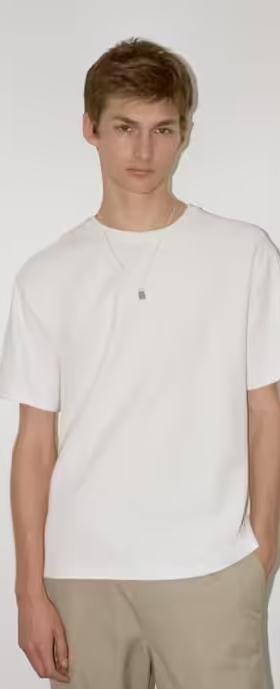
Raw denim purists$$ · Similar priceTokyo, Japan · est. 1947Made in USA
Japanese denim house founded in Tokyo in 1947, known for heavyweight rainbow-selvedge jeans, early wash innovations and the 503 fit.
Why it's similar. Edwin has been weaving raw denim in Tokyo since 1947, four decades before G-Star, and shares its taste for heavyweight rainbow-selvedge fabric and unwashed finishes.
What changes. Japanese selvedge purism over fashion silhouettes
On saleUp to 67% off at END., Blue Beach Denim and 2 more.See sales →
The weekly disco
Like these brands? Keep discovering.
One email a week — new brands worth knowing and the markdowns actually worth clicking.
Free · One email a week
#4
Kuyichi
82% match
Contemporary$$ · CheaperRotterdam, Netherlands · est. 2000Made in Europe
Dutch denim label building jeans and casualwear from organic and recycled cotton, with published supply-chain and material information.
Why it's similar. Kuyichi is the other Dutch denim house here, started in Rotterdam in 2000 by a fair-trade organisation, and it publishes mill and material data G-Star has never put on a hangtag.
Contemporary$$$ · Similar priceLos Angeles, United States · est. 2014Made in USA
Los Angeles label rebuilding vintage Levi's into modern denim and ready-to-wear, now majority-owned by Italian private equity firm Style Capital.
Why it's similar. Re/Done builds its jeans out of dismantled vintage Levi's, an archive-first approach to denim where G-Star's method is raw unwashed fabric and 3D-engineered seams.
Premium upgrade$$$ · Similar priceLos Angeles, United States · est. 2012Made in USA, Europe
Los Angeles label founded in 2012, known for premium denim and pared-back ready-to-wear blending California ease with European tailoring.
Why it's similar. Founded in Los Angeles in 2012 by two Swedes, FRAME took G-Star's European-designed, LA-washed formula upmarket, building skinny and wide fits around premium stretch denim.
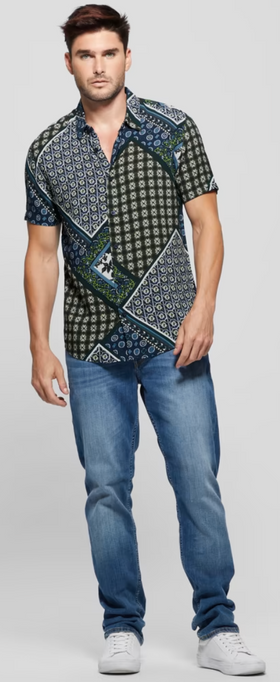
Budget denim$$ · CheaperLos Angeles, United States · est. 1981Made in China, Vietnam +2 more
Los Angeles denim and lifestyle label founded in 1981, taken private in January 2026 with Authentic Brands Group holding 51% of its IP.
Why it's similar. Guess launched in 1981 with the stonewashed Marilyn three-zip jean and, like G-Star, sells denim-led logo casualwear, but at high-street prices well below the Elwood.
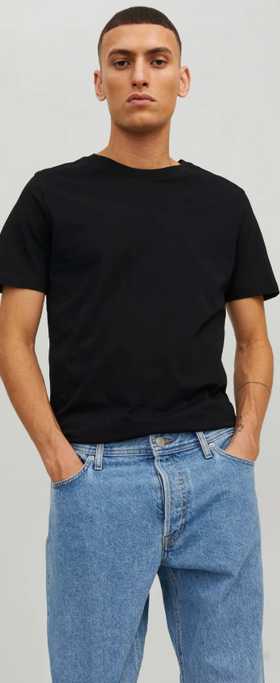
Everyday basics$$ · CheaperBrande, Denmark · est. 1990Made in Asia, Turkey
Danish high-street menswear brand under Bestseller, built on denim and everyday basics sold through roughly 1,000 stores worldwide.
Why it's similar. Denmark's Bestseller runs Jack & Jones as a denim-first high-street chain of roughly 1,000 stores, offering G-Star's European fits and washes at roughly half the price.
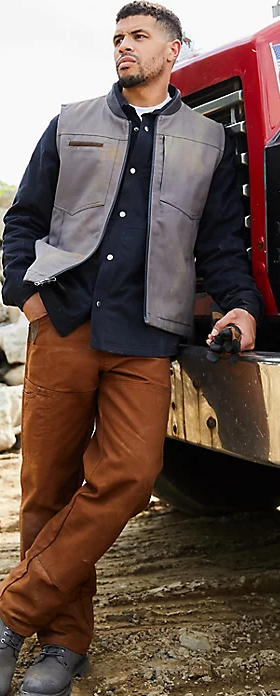
Heritage workwear$$ · CheaperGreensboro, United States · est. 1947Made in USA, Asia
American denim and western workwear brand owned by Kontoor Brands, best known for its Cowboy Cut and bootcut jeans.
Why it's similar. Wrangler has built western denim in Greensboro since 1947, and its Cowboy Cut is the workwear opposite of G-Star's 3D-engineered Elwood while costing a fraction as much.
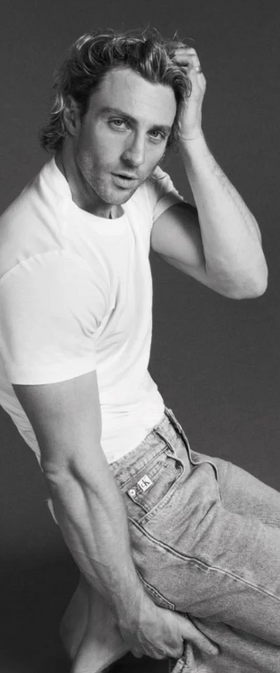
Logo minimalism$$ · CheaperNew York City, United States · est. 1968Made in Asia
American minimalist label under PVH, known for logo-waistband underwear, denim and clean basics, with a revived Calvin Klein Collection runway line.
Why it's similar. Calvin Klein Jeans brings a logo-forward, minimalist five-pocket to mall pricing, typically $70-90 against the $120-plus G-Star charges for its raw and coated denim styles.
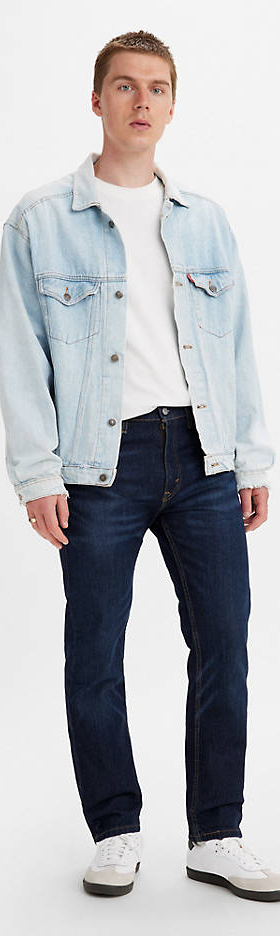
Original five-pocket$$ · CheaperSan Francisco, United States · est. 1853Made in China, Bangladesh +6 more
American denim company founded in 1853, known for the 501 jean and Trucker jacket and still headquartered in San Francisco.
Why it's similar. Levi's invented the riveted five-pocket in 1873 that G-Star later re-engineered with twisted seams, and the 501 remains the reference point every raw-denim label measures against.
On saleUp to 50% off at END. and REVOLVR Menswear.See sales →
#16
Scotch & Soda
66% match
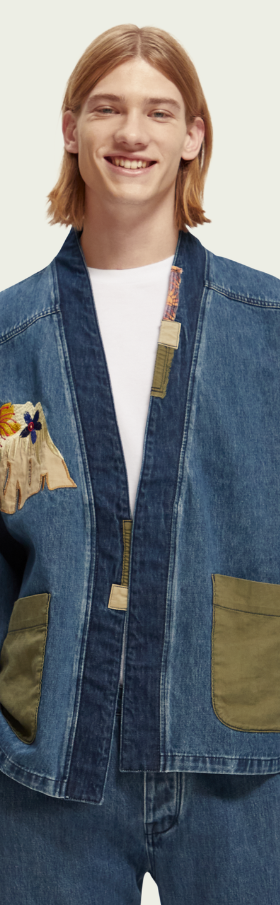
Dutch alternative$$ · CheaperAmsterdam, Netherlands · est. 1985Made in China, Turkey
Amsterdam-founded casualwear label, acquired out of bankruptcy by Bluestar Alliance in 2023 and now run as a licensing brand.
Why it's similar. Another Amsterdam label, Scotch & Soda launched in 1985 four years before G-Star and works the same Dutch mix of denim, layered prints and slim-cut casualwear.
What changes. Less denim-technical, more eclectic layered casualwear
On saleUp to 70% off at REVOLVR Menswear.See sales →
#17
Polo Ralph Lauren
62% match
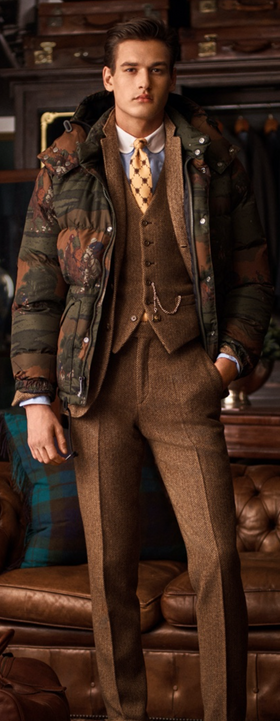
Preppy crossover$$ · Similar priceNew York City, United States · est. 1967Made in China, Vietnam +7 more
The core preppy sportswear line of Ralph Lauren Corporation, known for pony-logo mesh polo shirts, oxford button-downs and Ivy League–rooted staples.
Why it's similar. Polo's denim arm runs vintage-washed straight fits at prices close to G-Star's, but styles them with oxford button-downs and mesh polos rather than the Elwood's motorcycle-derived seams.
On saleUp to 55% off at END., SSENSE and 1 more.See sales →
#18
Dsquared2
64% match
Statement denim$$$ · Similar priceMilan, Italy · est. 1994
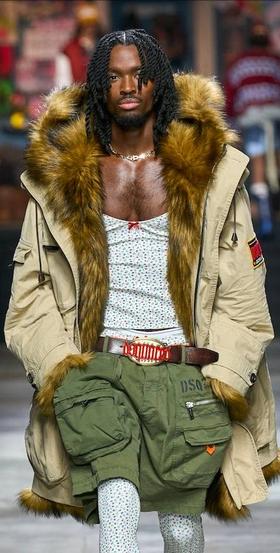
Milan label by Canadian twins Dean and Dan Caten, known for provocative denim-led collections, slim tailoring and rock-and-Americana styling.
Why it's similar. Milan's Caten twins have built Dsquared2 on distressed, heavily treated denim since 1994, pushing the same construction-as-statement idea as G-Star but with runway-level markups.
Nineties revival$$ · CheaperNew York City, United States · est. 1985Made in China, Vietnam +2 more
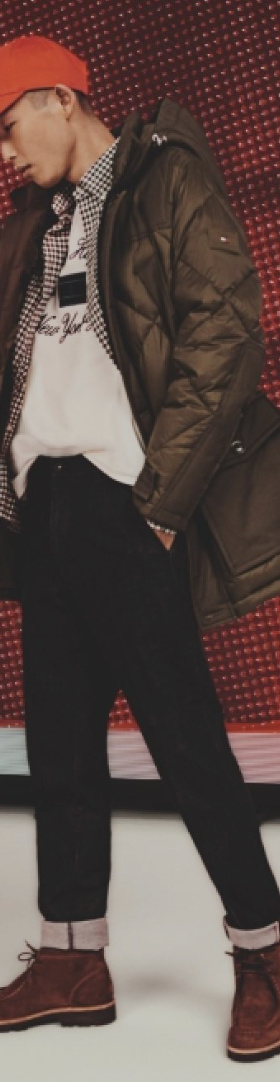
Preppy American sportswear label founded by designer Tommy Hilfiger in 1985, owned by PVH Corp and spanning mainline and Tommy Jeans.
Why it's similar. Tommy Jeans mines the same 1990s baggy-denim moment that made G-Star's Elwood a club staple, selling flag-logo carpenter and loose fits at mall-tier prices.
Tailored casual$$ · Similar priceMetzingen, Germany · est. 1993Made in China, Vietnam +5 more
HUGO is the HUGO BOSS Group's younger, casual label, mixing slim tailoring with logo jersey, denim and streetwear at accessible prices.
Why it's similar. HUGO is the HUGO BOSS group's younger line, pairing slim tailoring with logo jersey and stretch denim at prices that land close to G-Star's mid-market jeans.
Workwear roots$$ · CheaperDetroit, United States · est. 1889Made in Mexico, Vietnam +8 more
American workwear maker, family-owned since 1889, known for duck canvas jackets, bib overalls and hooded sweatshirts built for job-site durability.
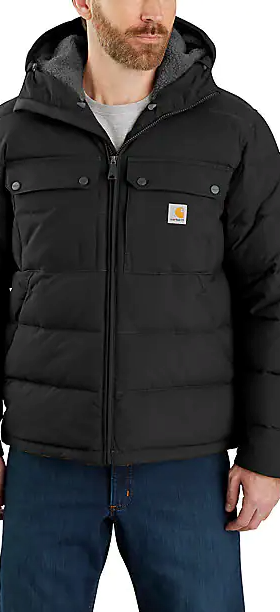
Why it's similar. Carhartt's Detroit duck-canvas jackets and bib overalls come from the job-site workwear tradition G-Star mines for detailing, made continuously by the same family since 1889.
Stretch comfort$$$ · Similar priceLos Angeles, United States · est. 2000Made in Mexico
Los Angeles premium denim label founded in 2000 and owned by Delta Galil, known for stretch five-pocket jeans and squiggle back-pocket stitching.
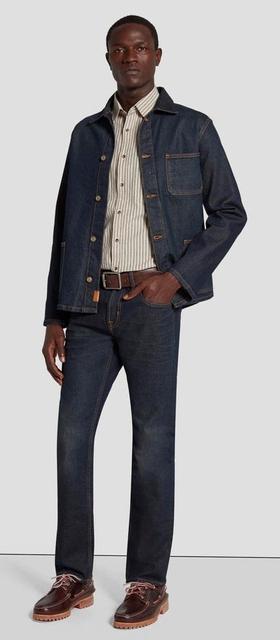
Why it's similar. Launched in Los Angeles in 2000, 7 For All Mankind made stretch premium denim mainstream, offering a softer, more forgiving fit than G-Star's rigid raw constructions.
Selvedge geeks$$ · Similar priceMontreal, Canada · est. 2008
Montreal raw denim label known for Japanese selvedge fabrics and experimental weaves, from 32oz heavyweight jeans to scratch-and-sniff denim.
Why it's similar. Montreal's Naked & Famous imports Japanese selvedge for jeans as heavy as 32oz, taking the unwashed-denim obsession behind the RAW in G-Star's name to its extreme.
What changes. Purist selvedge focus, classic five-pocket cuts only
On saleUp to 32% off at Blue Beach Denim and DeeCee style.See sales →
#24
Fred Perry
56% match
Subculture staples$$ · Similar priceLondon, United Kingdom · est. 1952Made in Japan, China +5 more
British heritage label founded in 1952, known for laurel-wreath tennis polos and long-running ties to UK mod and casual subcultures.
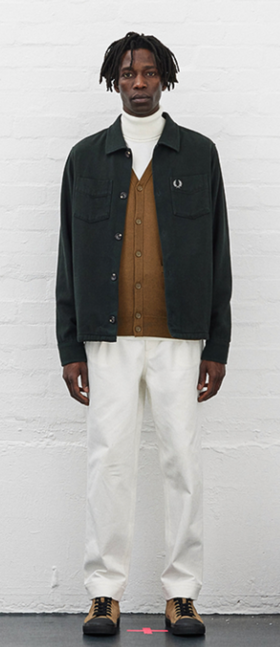
Why it's similar. Fred Perry's 1952 laurel-wreath polo sits outside denim entirely, but shares G-Star's European subculture following and comparable mid-tier pricing on knitwear and outerwear.
Designer entry$$ · Similar priceMilan, Italy · est. 1991Made in China, India +4 more
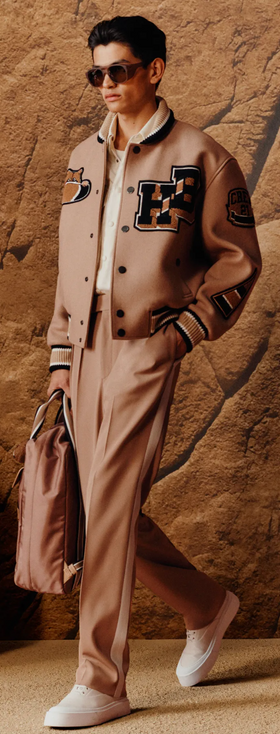
Giorgio Armani's youth-focused diffusion line, founded in 1991, selling denim, logo tees, outerwear and accessories at entry-level designer prices.
Why it's similar. Giorgio Armani's 1991 diffusion line sells denim, logo tees and outerwear at entry designer prices, occupying the same aspirational-but-attainable department-store shelf as G-Star.
Graphic casual$$ · Similar priceCheltenham, United Kingdom · est. 2003Made in India, Sri Lanka +5 more
British label pairing vintage Americana with Japanese-style graphics, now privately controlled by co-founder Julian Dunkerton after its 2024 restructuring and stock market delisting.
Why it's similar. Superdry blends vintage Americana with Japanese-style graphics, echoing G-Star's habit of borrowing military and workwear detailing, though its jeans undercut the Elwood by roughly half.
Disco ranks brand alternatives using style overlap, category overlap, price tier, fit, colour palette, and cultural context. Scores are directional, not absolute. Read the full methodology →
Diesel scores the highest with an 88% match. Known for its edgy denim designs, Diesel shares G-Star's contemporary and fashion-forward ethos.
Cheaper alternatives to G-Star RAW
Brands like Diesel, Edwin, and Nudie Jeans are excellent alternatives within the mid-range price tier, offering similar quality and style at competitive prices.
Is Diesel better than G-Star RAW?
While Diesel mirrors G-Star's quality in denim, its rebellious, deconstructed style may better suit those looking for something less streamlined but comparably creative.
What is G-Star RAW known for?
G-Star RAW is renowned for its cutting-edge denim designs, emphasizing a sleek, urban aesthetic and a strong commitment to sustainable practices, making them unique.
Brands like G-Star RAW but more affordable
Kuyichi and Guess stand out as more affordable options, especially within the mid-range pricing tier, without compromising on sustainable and trending styles.