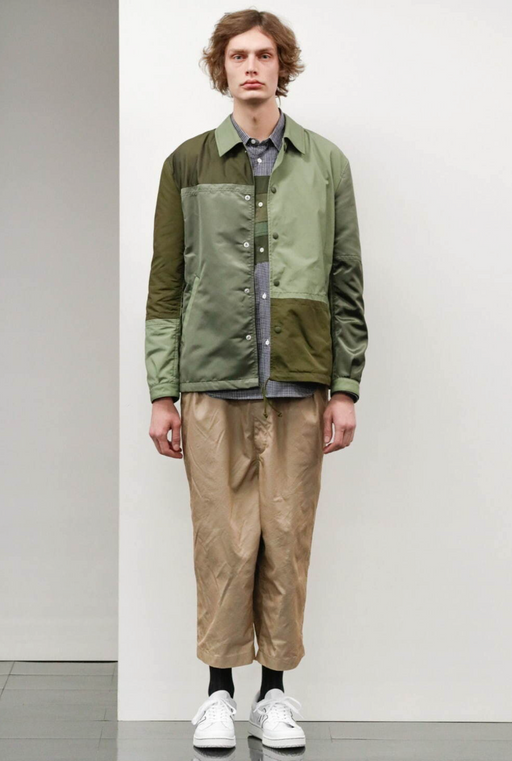
Avant-garde brands
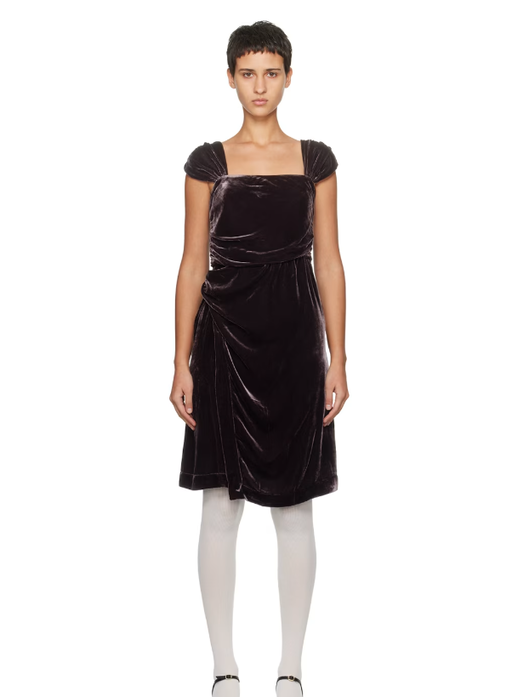
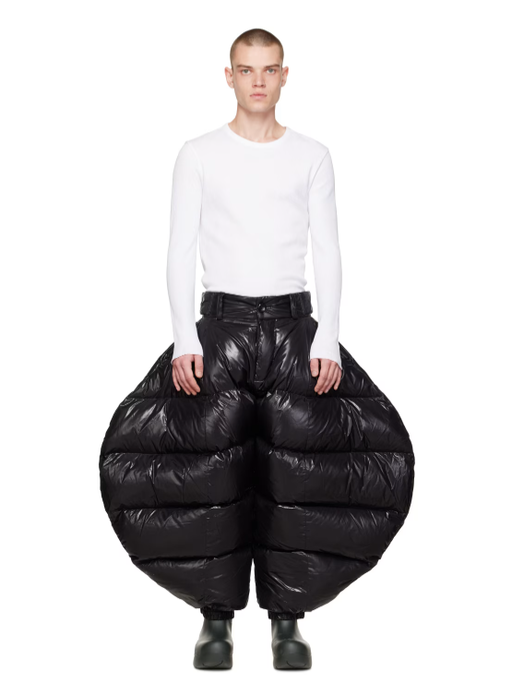
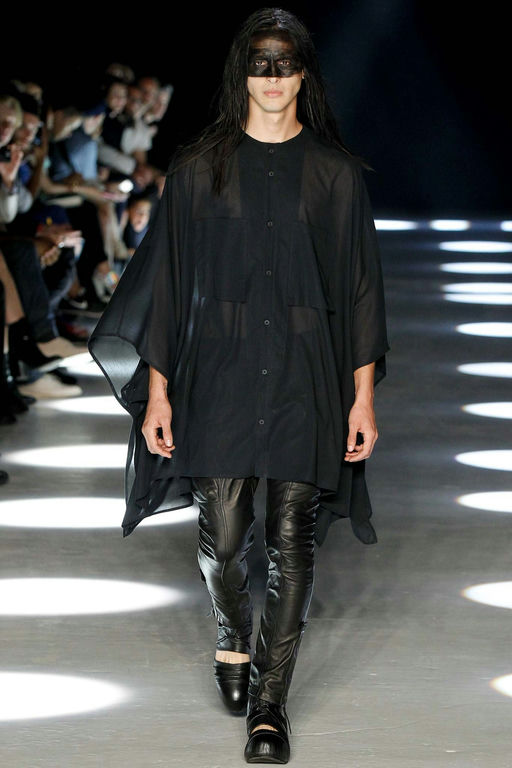
Avant-garde menswear prioritizes conceptual design, experimental construction, and artistic expression over convention. Silhouettes are often deconstructed, asymmetric, or draped, in predominantly dark palettes with unusual textures and hardware. It appeals to those who treat clothing as wearable art rather than trend-driven fashion.
$–$$$$$Price range
120+Brands
1980s →Era
3Tiers
History & origins
Avant-garde menswear traces to the early 1980s, when Japanese designers Rei Kawakubo (Comme des Garçons) and Yohji Yamamoto presented collections in Paris that rejected Western tailoring in favor of asymmetry, distressing, and monochrome volume. Their work reframed clothing as conceptual art and challenged prevailing ideas of fit, finish, and beauty.
The movement expanded through the late 1980s and 1990s with the Antwerp Six and Martin Margiela, who pioneered deconstruction—exposing seams, repurposing garments, and questioning fashion's conventions. Alexander McQueen brought theatrical intensity in London, while Rick Owens emerged from Los Angeles in the 2000s to codify a dark, draped, gothic-modern vocabulary that continues to define the aesthetic today.
Key sub-genres
Several strands sit under the avant-garde umbrella. Japanese deconstruction, led by Comme des Garçons and Yohji Yamamoto, favors intellectual pattern-cutting and voluminous, gender-fluid tailoring, with Issey Miyake's 132 5. exploring folded, geometric garment engineering. Belgian deconstruction, associated with Margiela and the Antwerp Six, emphasizes reworked and unfinished construction.
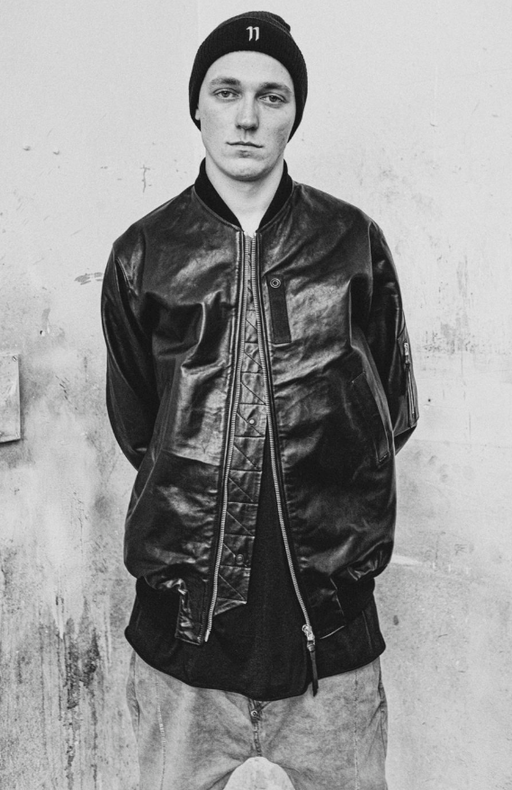
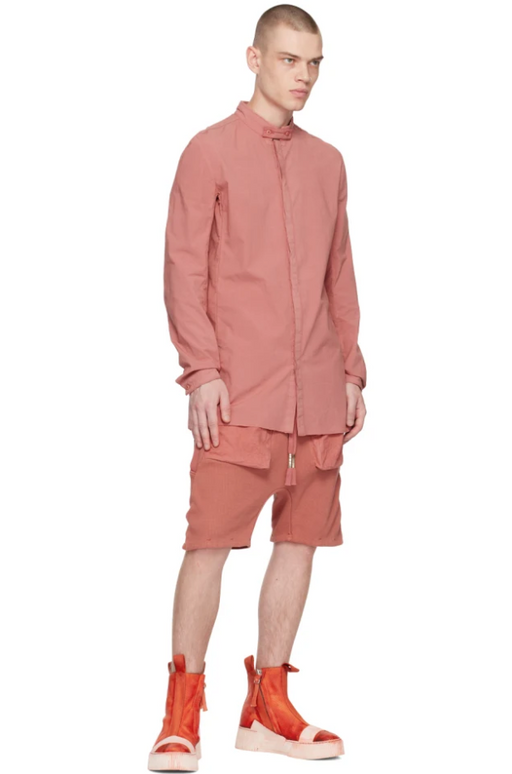
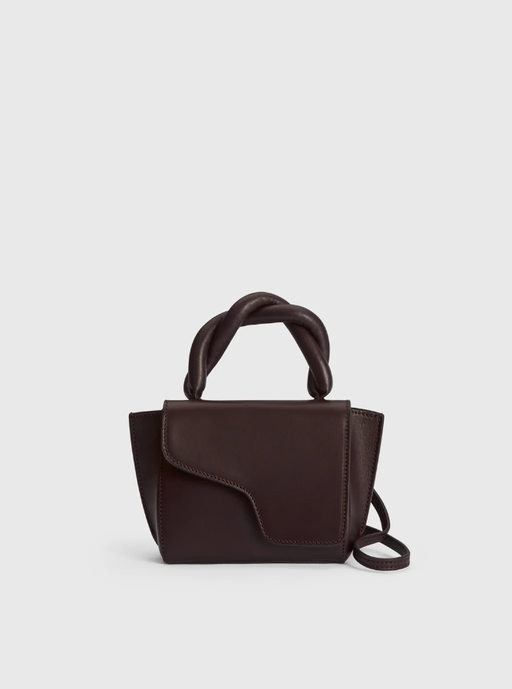
A darker, artisanal wing includes Rick Owens, 11 by Boris Bidjan Saberi, and leather specialists like A1923, known for object-dyed hides, hand-finishing, and organic silhouettes. This overlaps with a techwear-adjacent tendency toward functional, layered, monochrome dressing, and with punk- and goth-influenced romanticism seen in labels such as Alexander McQueen and Alexandre Plokhov.
Brands in this style
The same aesthetic shows up at very different price points and postures. Here's how it breaks down.
Price
Style
120 brandsIconsThe names that set the template
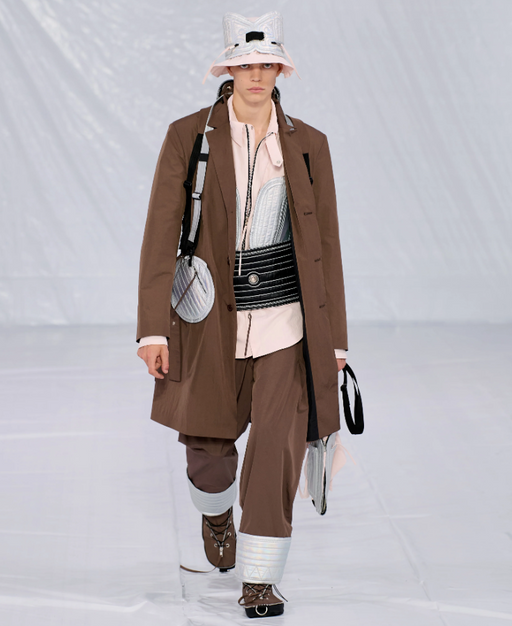
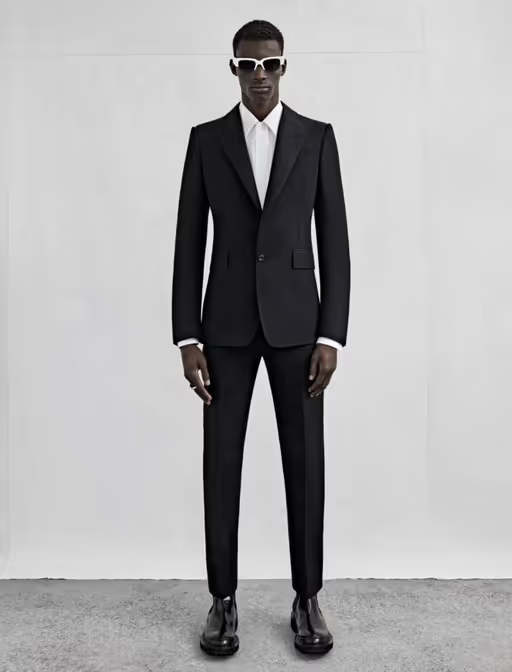
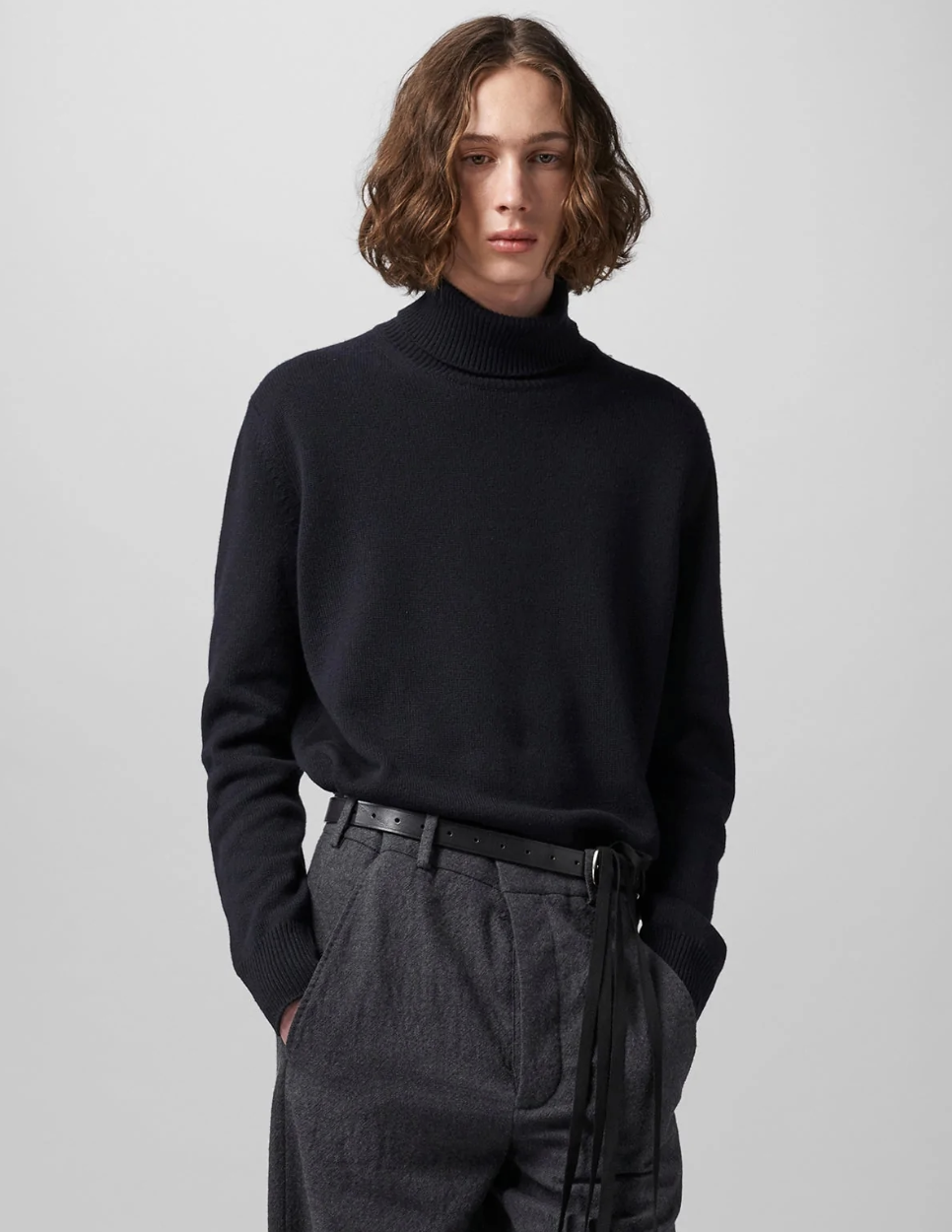
EstablishedProven & widely stocked
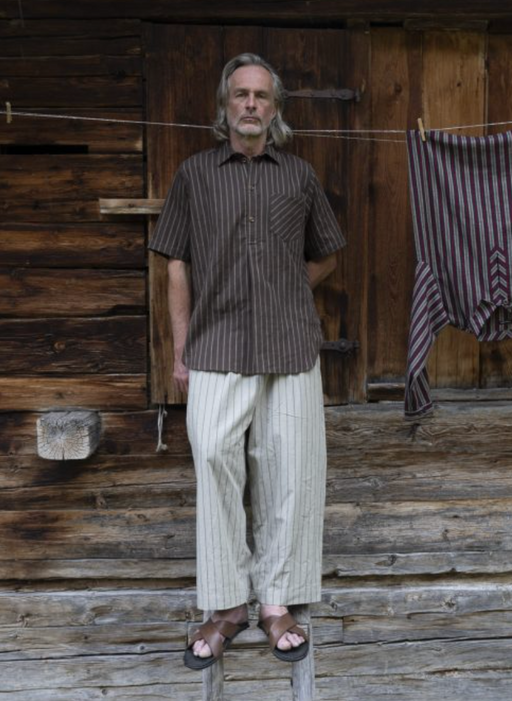
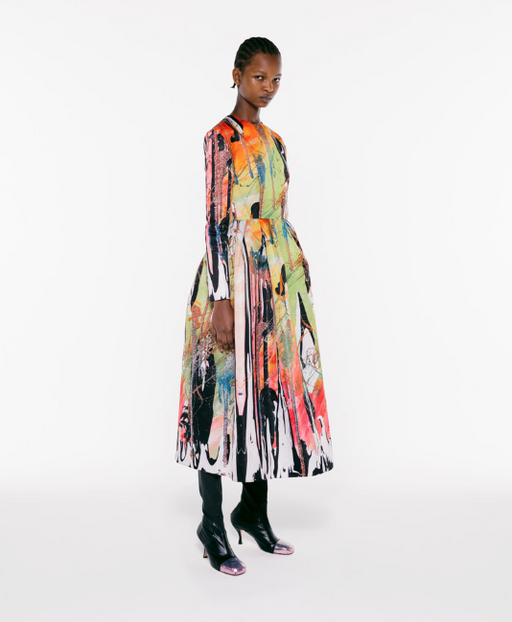
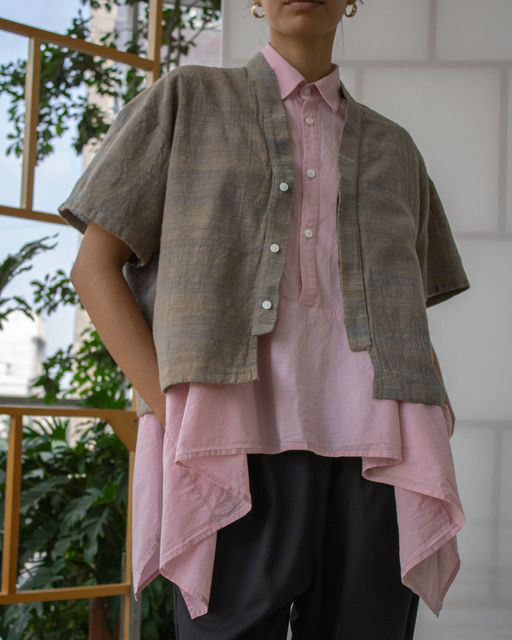
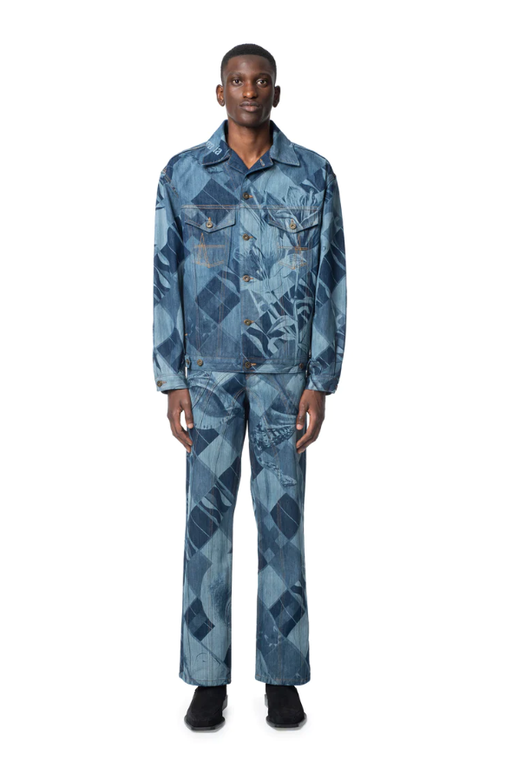
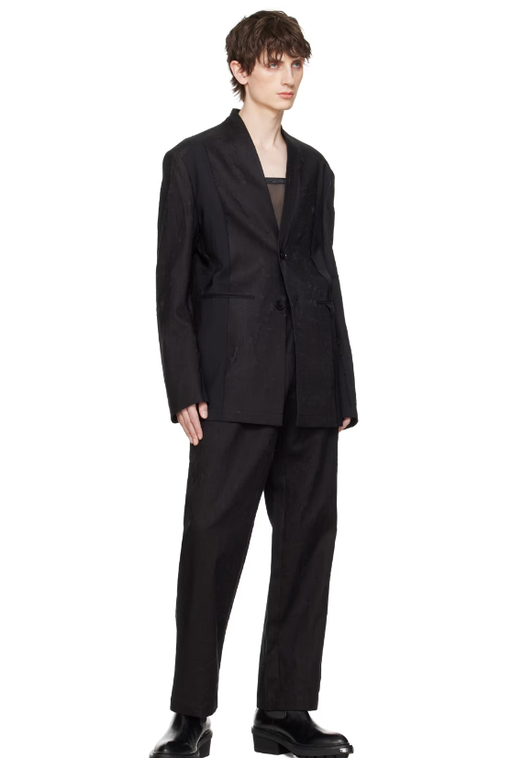
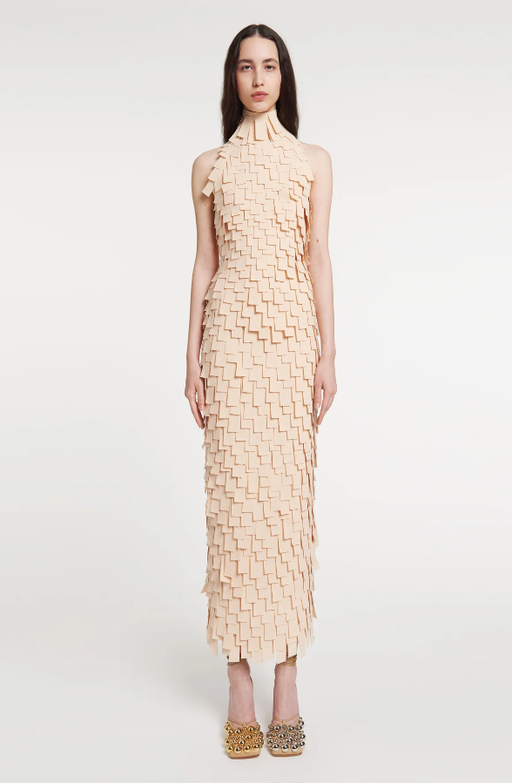
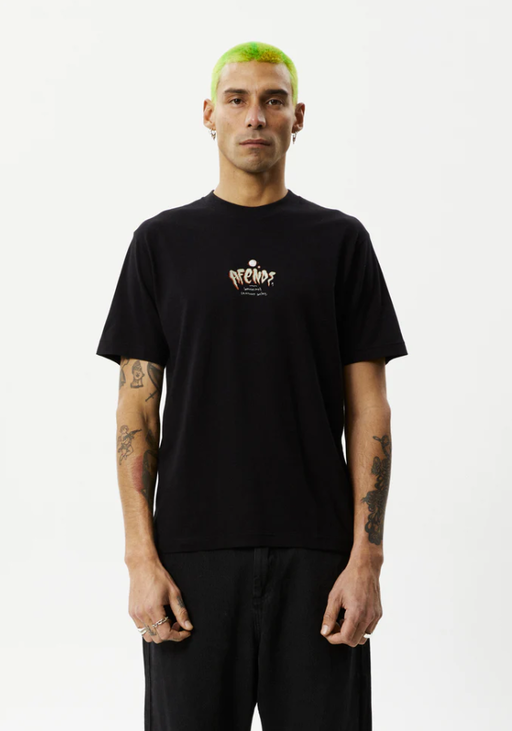
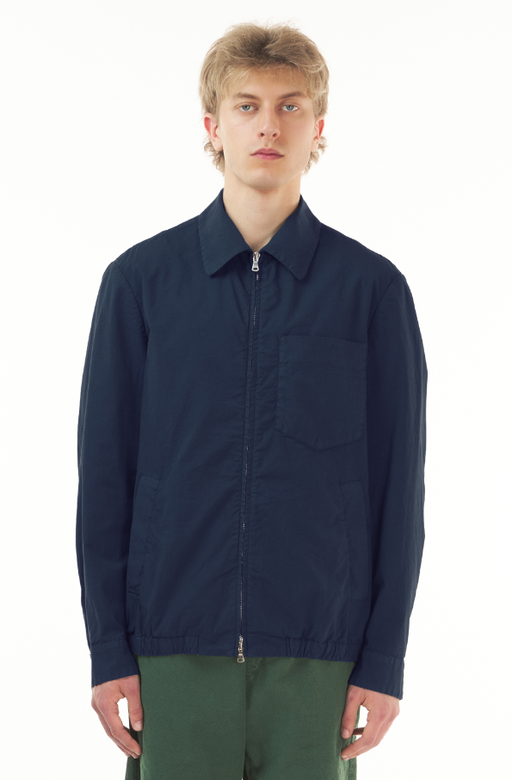
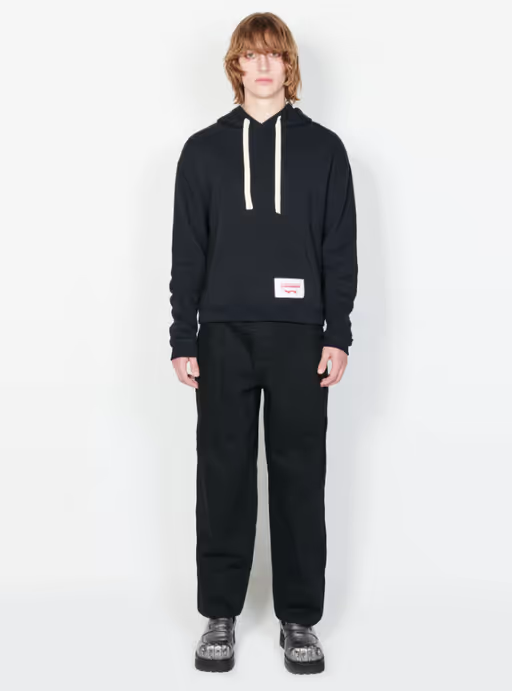
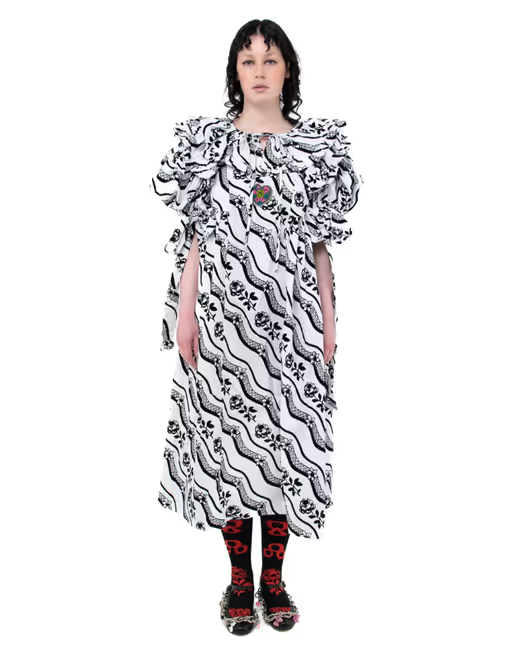
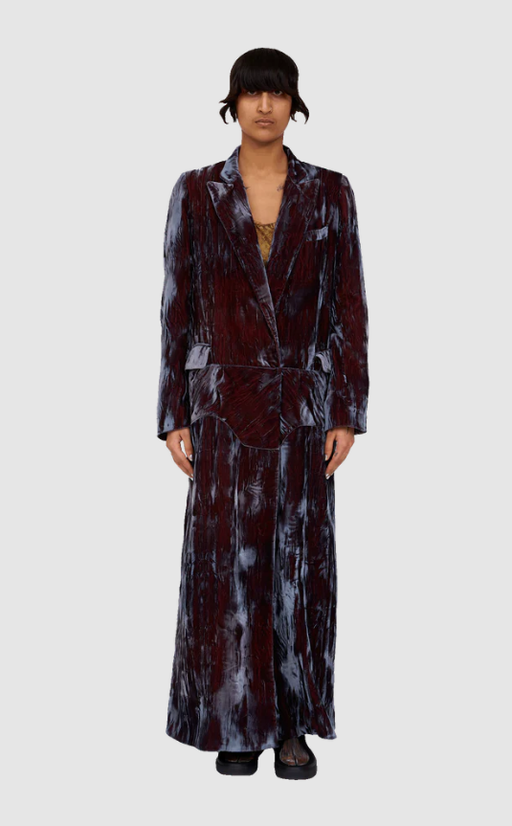
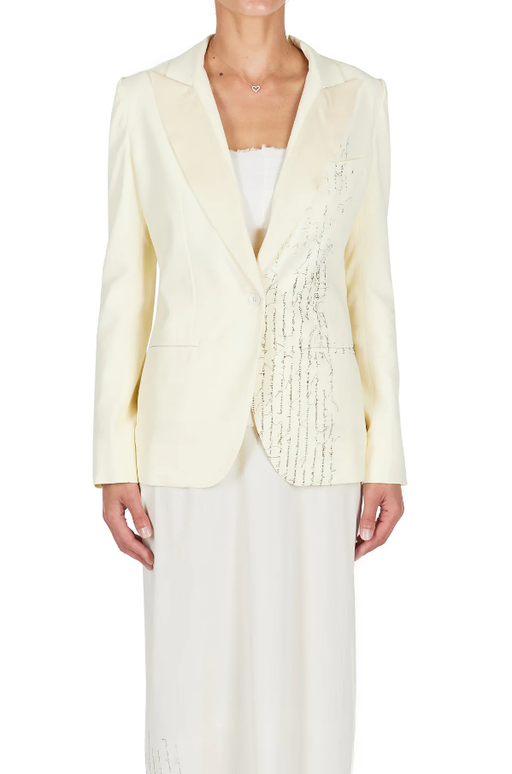
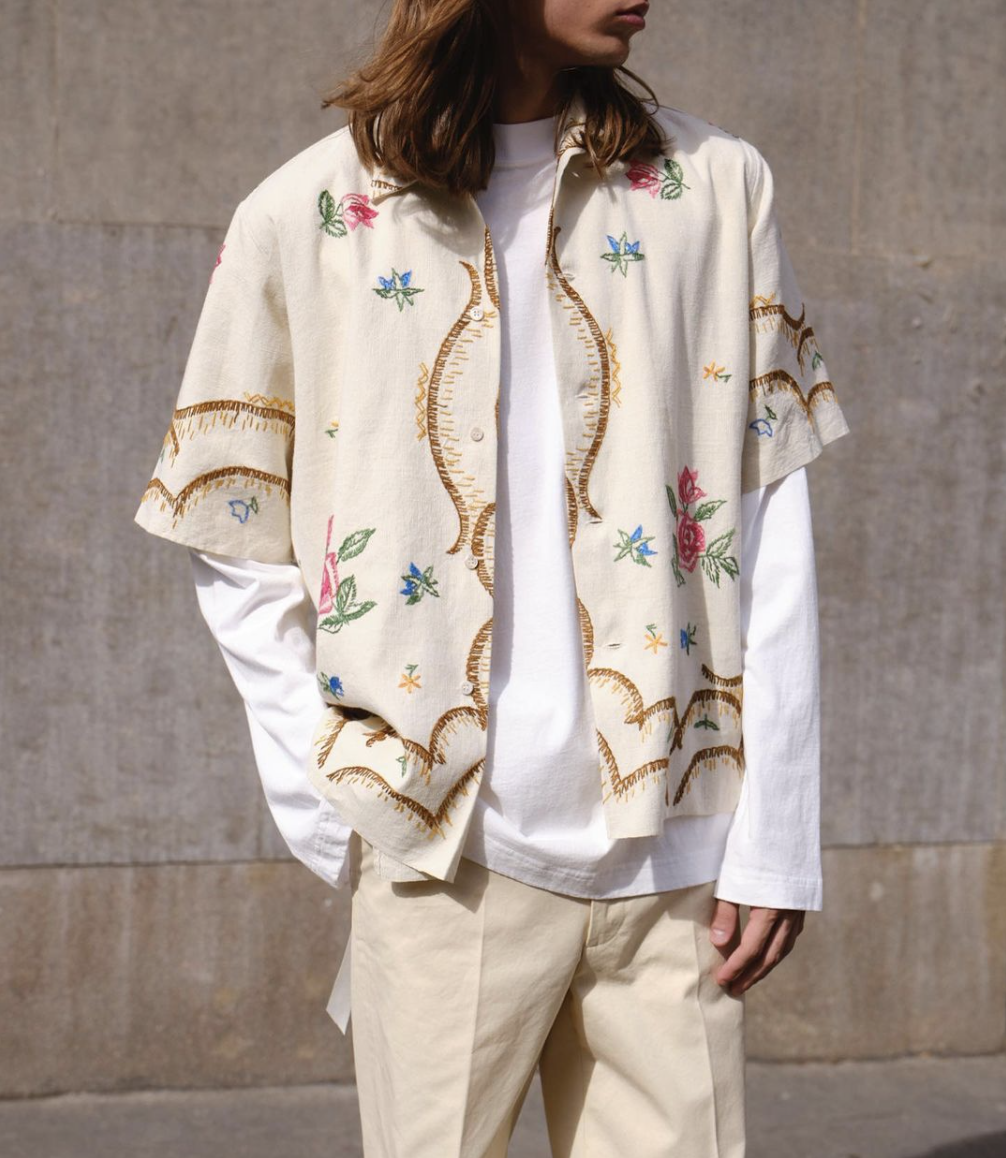
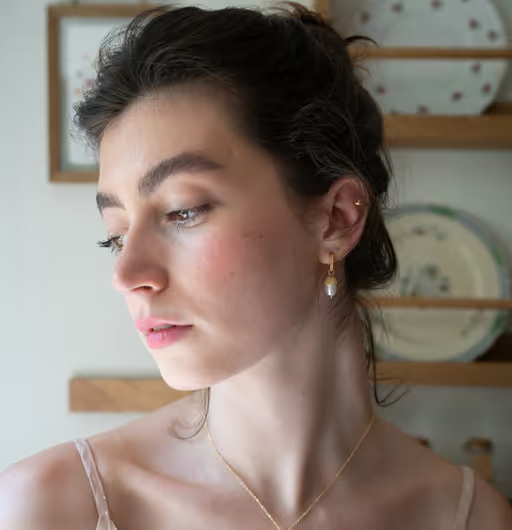
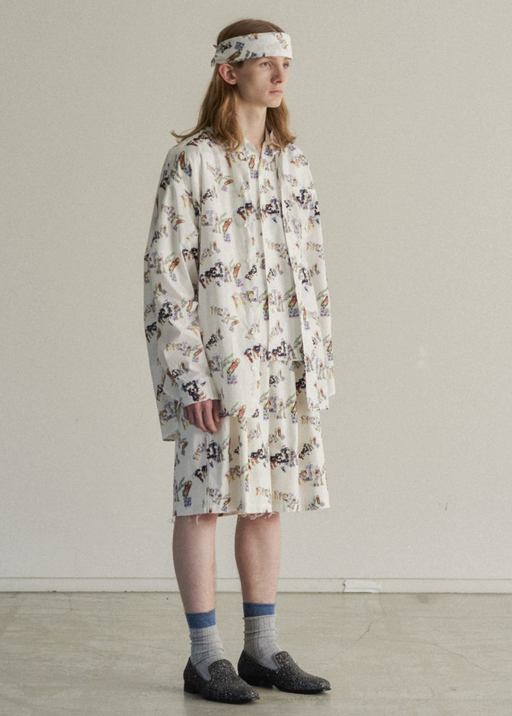
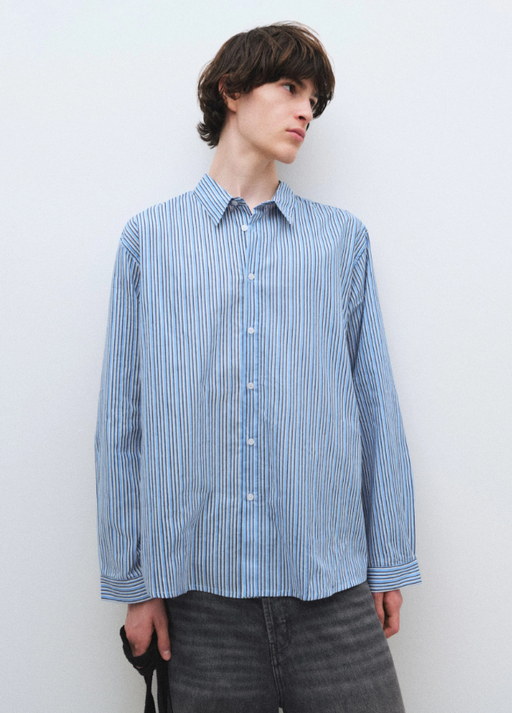
EmergingNewer & niche, worth watching
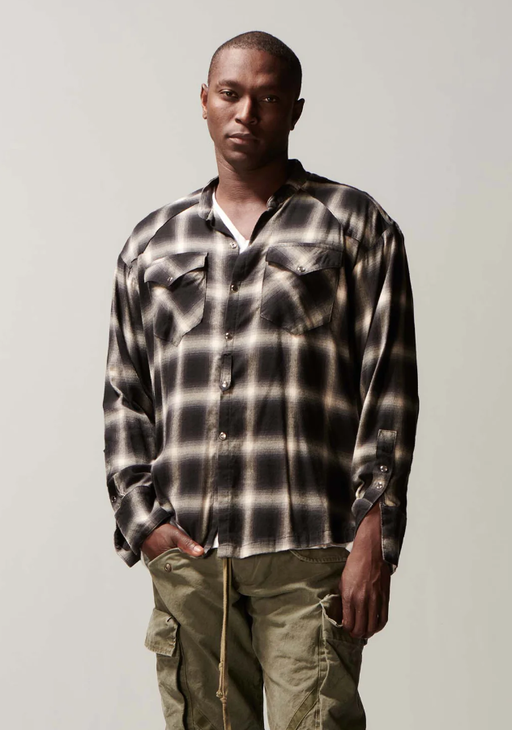
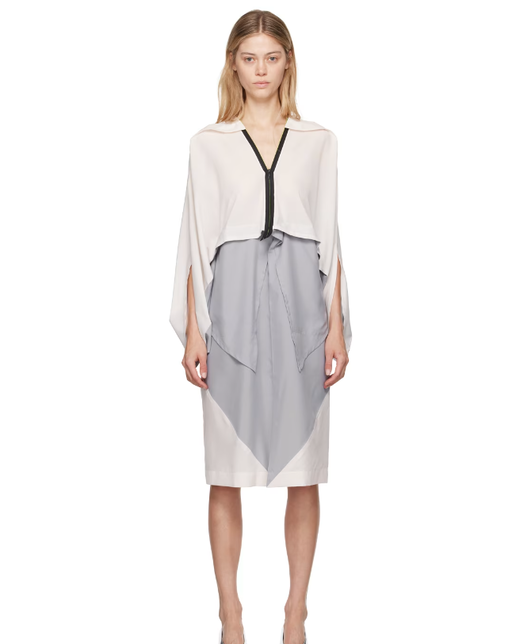
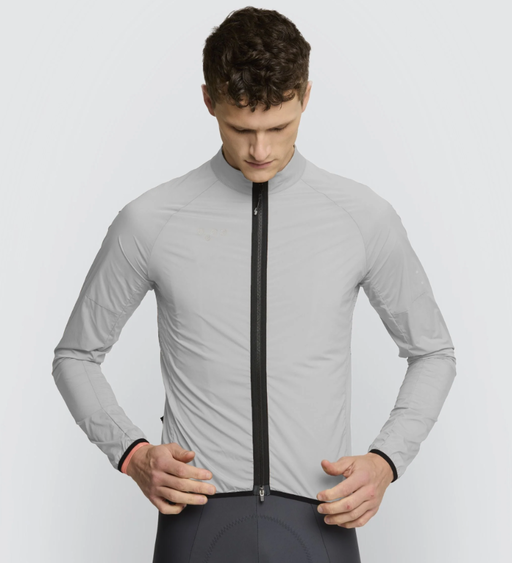
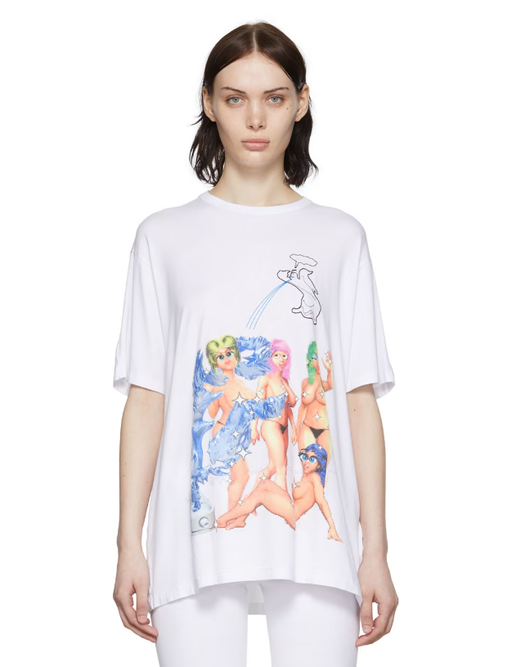
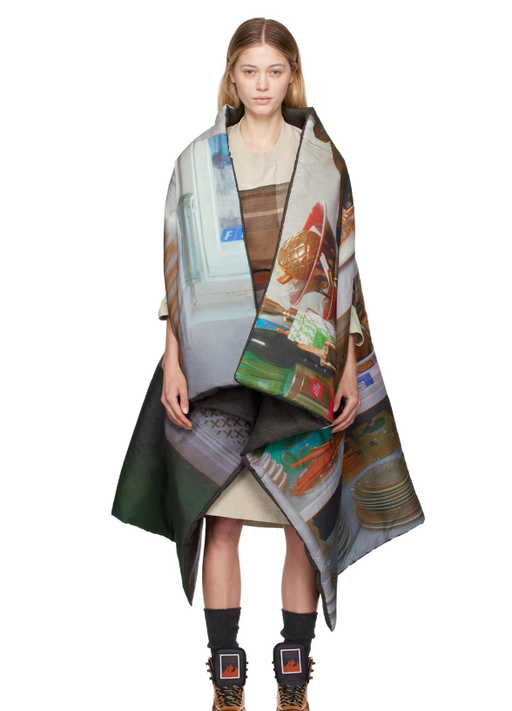
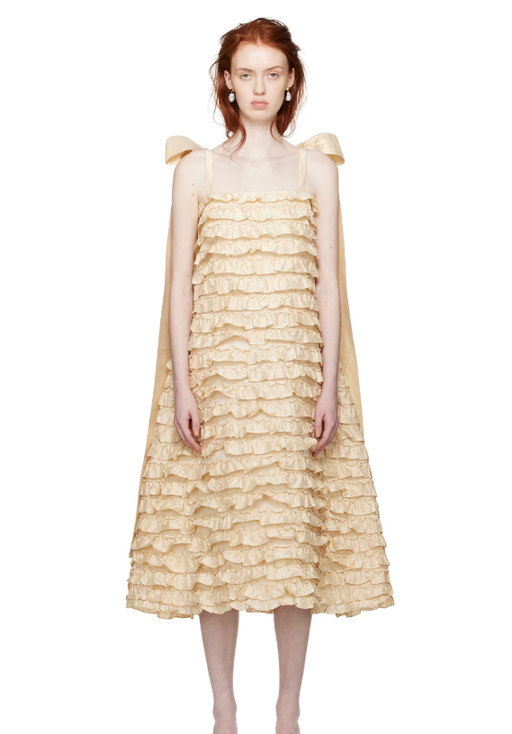
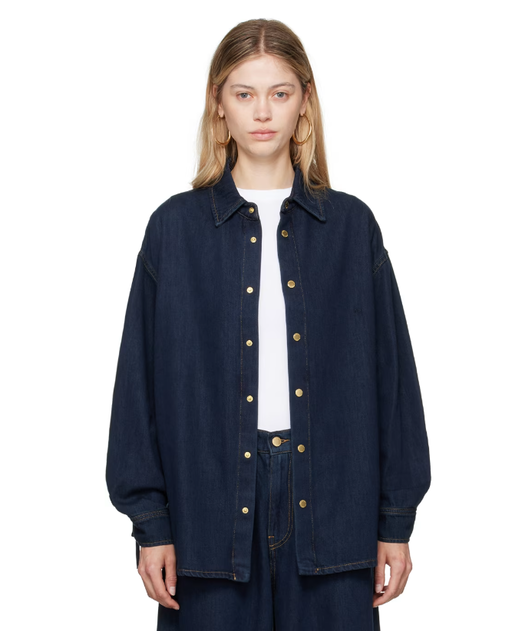
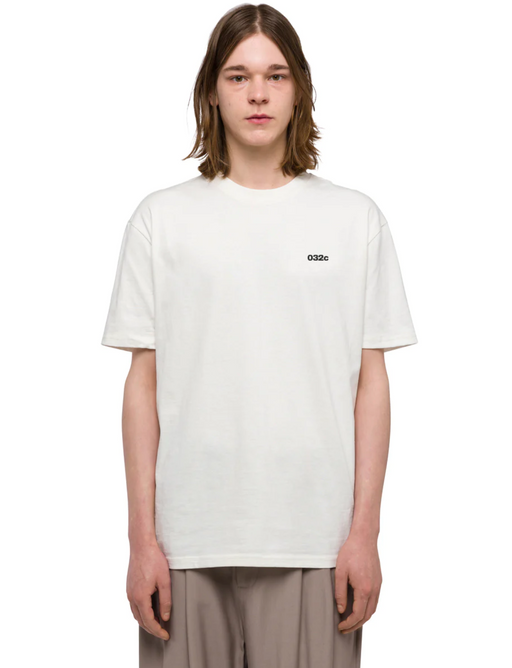
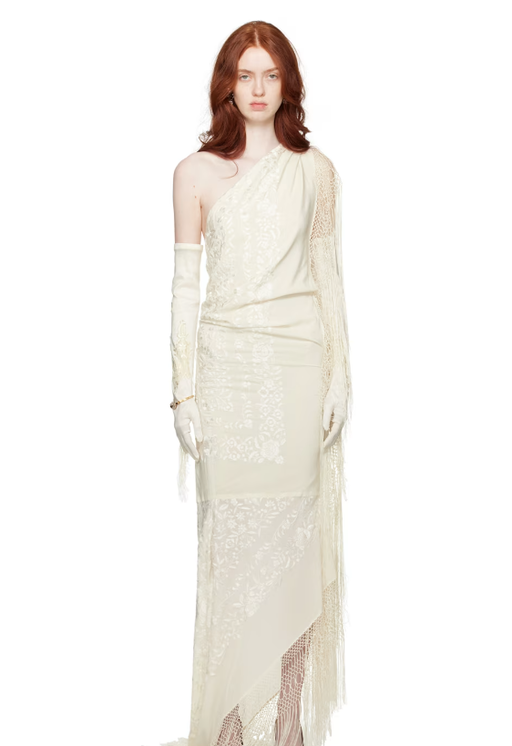
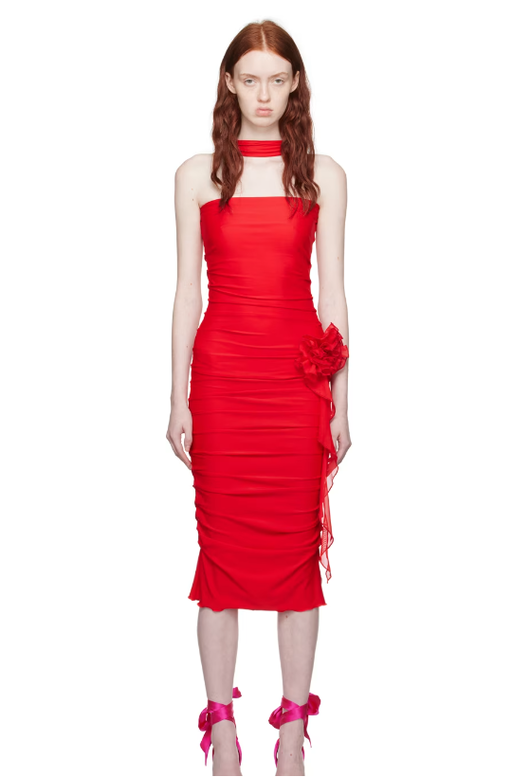
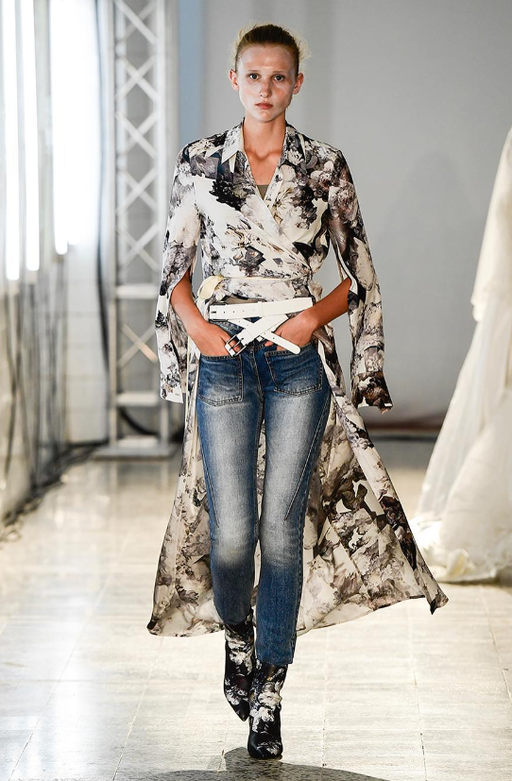
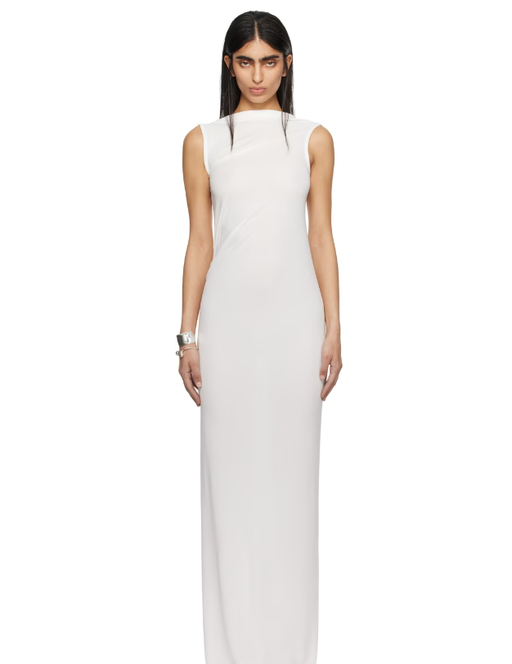
How to wear it
Build outfits around proportion and texture rather than color. A typical approach anchors the look in black or deep neutrals, then layers pieces of differing lengths and weights—an elongated tee under a draped jacket, tapered or dropped-crotch trousers, and a heavy statement boot or sneaker. Let one sculptural or deconstructed item lead and keep the rest supporting.
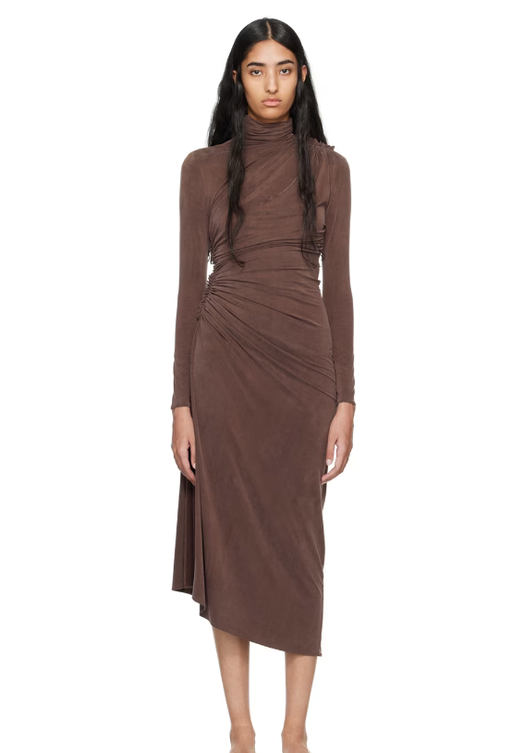
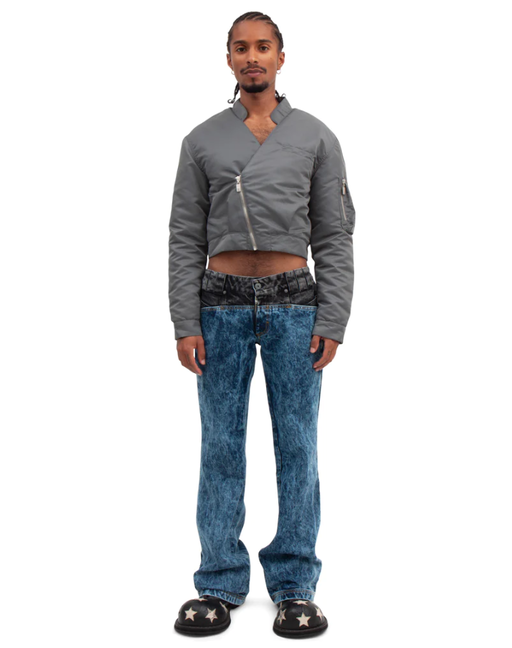
Fit is deliberately unconventional: oversized volumes, asymmetric hems, and wrapped or layered silhouettes are intentional, not accidental. Accessories tend toward the tonal and tactile—leather, waxed cotton, and matte hardware—while overt branding and bright color are generally avoided.
Essential pieces
Core items include a draped or asymmetric jacket, an elongated or oversized T-shirt, tapered and dropped-crotch trousers, and heavy leather boots or chunky sneakers such as Rick Owens' Geobasket. Object-dyed or distressed leather jackets, wrap coats, and voluminous knitwear are recurring anchors.
Materials matter as much as shapes: expect washed and treated cottons, raw-edged leathers, technical blends, and hand-finished details. A restrained, tonal palette—black, charcoal, bone, and rust—lets construction and texture carry the outfit.
Where to buy
Foundational labels are sold through their own boutiques and major luxury and concept retailers, including Comme des Garçons, Yohji Yamamoto, Rick Owens, Alexander McQueen, and Issey Miyake lines like 132 5. Independent and artisanal names such as 11 by Boris Bidjan Saberi, A1923, and Aitor Throup are typically found via specialist stockists.
Multi-brand retailers and archive-focused shops—alongside stores like Alan Bilzerian—are strong sources for this aesthetic, and resale platforms are common for discontinued or grail pieces given the movement's collectible, archive-driven culture.
Ranked comparisons
Brands like Feng Chen WangBrands like Comme des GarçonsBrands like Wacko MariaBrands like Wales BonnerBrands like Charles Jeffrey LOVERBOYBrands like NEEDLESBrands like SacaiBrands like AfendsBrands like Fable EnglandBrands like UNDERCOVERBrands like COLLINA STRADABrands like Dries Van NotenBrands like GimaguasBrands like Greg LaurenBrands like JACQUEMUSBrands like PercivalBrands like Urban OutfittersBrands like AnthropologieBrands like AREA ClothingBrands like HamcusBrands like Junya WatanabeBrands like AhluwaliaBrands like Christopher KaneBrands like Frank LederBrands like Alexander McQueenBrands like Ann DemeulemeesterBrands like HELIOT EMILBrands like Yohji YamamotoBrands like Chopova LowenaBrands like Free People
Related styles
Common questions
What is avant-garde fashion?
Avant-garde fashion is a design-led aesthetic emphasizing experimental construction, conceptual ideas, and artistic silhouettes over mainstream trends. It often features deconstruction, asymmetry, draping, and dark palettes.
What brands are avant-garde?
Recognized labels include Rick Owens, Yohji Yamamoto, Comme des Garçons, Alexander McQueen, 11 by Boris Bidjan Saberi, A1923, and Issey Miyake's 132 5. line, alongside independents like Aitor Throup.
How do you dress avant-garde?
Layer draped, oversized, or asymmetric pieces in a tonal palette, usually anchored in black, and let one sculptural item lead. Focus on texture, proportion, and unusual construction rather than logos or color.
Is avant-garde the same as gothic fashion?
They overlap in their dark palettes but differ in intent. Avant-garde centers on experimental design and construction, while goth is a subculture built around darkness, romanticism, and mood.