 Baggy
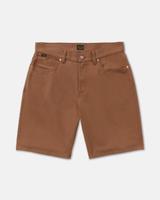
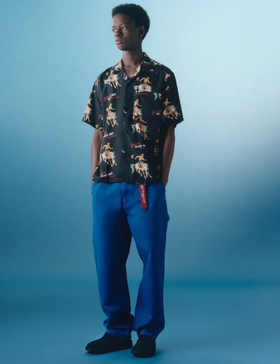
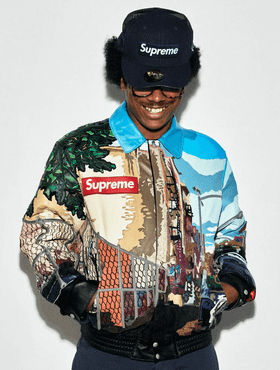
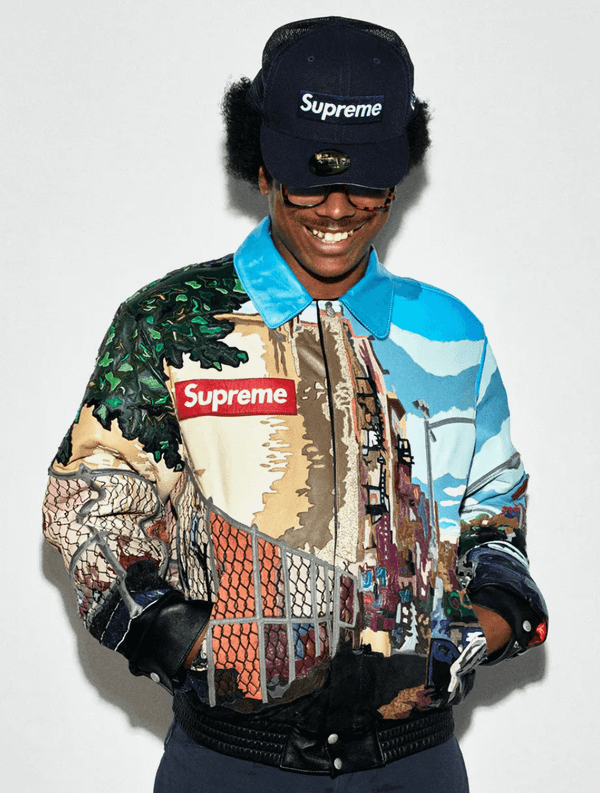
BaggyJames Jebbia opened Supreme on Lafayette Street, New York, in 1994, with the racks round the walls so skaters could ride in. It still sells decks, and its Work Pant is a heavy cotton-blend twill with an enzyme wash.
Look at first Work Pant, Baggy Jean, skate decks
But Drops sell through: about a quarter of the colourways in its US shop were sold out in every size when we checked.
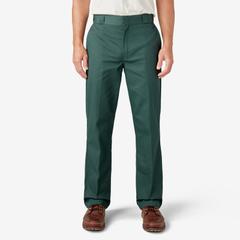
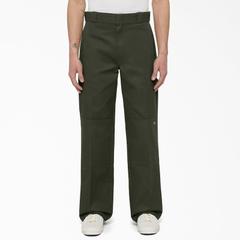
Cheaper way in Original 874 Work Pants (Dickies) $29.99
Explore Supreme → Baggy
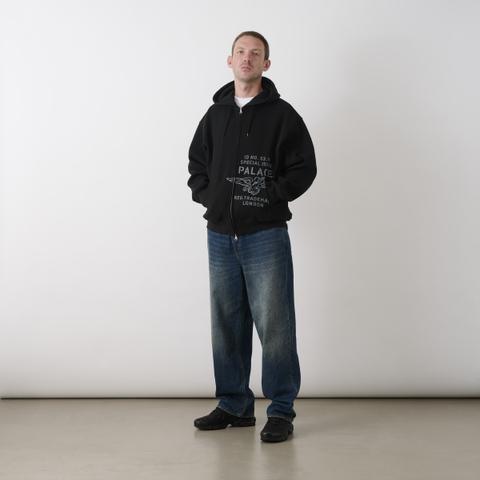
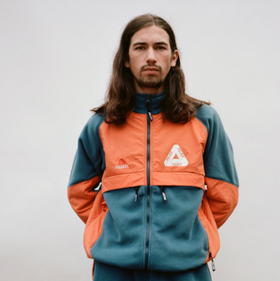
BaggyLev Tanju started Palace in London in 2009, and Fergus Purcell drew its triangular Tri-Ferg logo. Its jeans come in named fits, from the P90 Baggy Jean to the P100 Super Baggy Jean.
Look at first P90 Baggy Jean, 10 OZ Double Knee Pant, Sofar T-Shirt
But Product descriptions are jokes rather than specs, so use the size chart; some jean colourways were already sold out when we checked.
Explore Palace →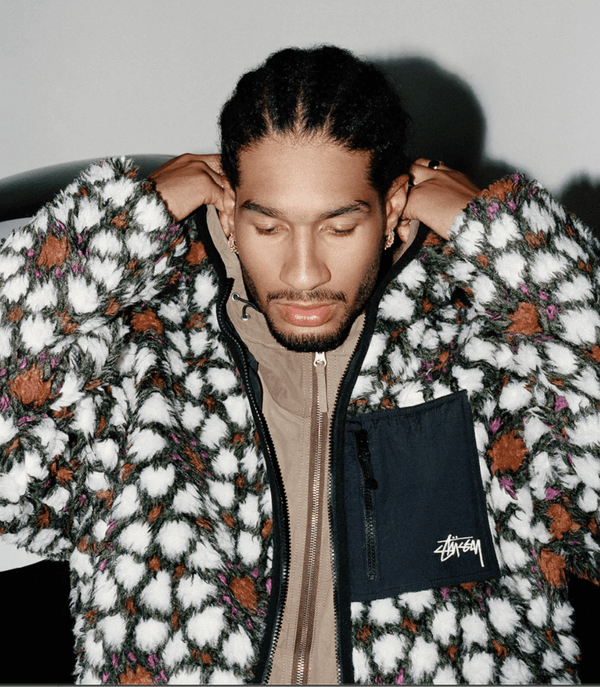 Surf
SurfShawn Stussy wrote his name on the surfboards he made, then put it on tees he sold around Laguna Beach in the early 1980s. Today's Big Ol' Jean is a baggy, tapered unisex cut with an oversized waist and relaxed rise.
Look at first Basic Stüssy Tee, Big Ol' Jean, Beach Pant
But The Big Ol' Jean's waist is cut oversized, so check the size guide rather than ordering your usual size.
Explore Stüssy → BaggyWorkwear
Pontus Alv's Malmö brand sells the 93! as a semi-baggy straight-leg jean in heavy 435 gsm cotton denim with a low waist.
Look at first 93! Denim, Big Boy jeans, graphic hoodies
But Polar's own store prices in euros, popular colours sell out, and the low waist suits some bodies better than others.
Cheaper way in Baggy Jeans (Uniqlo) $59.90
Explore Polar Skate Co. →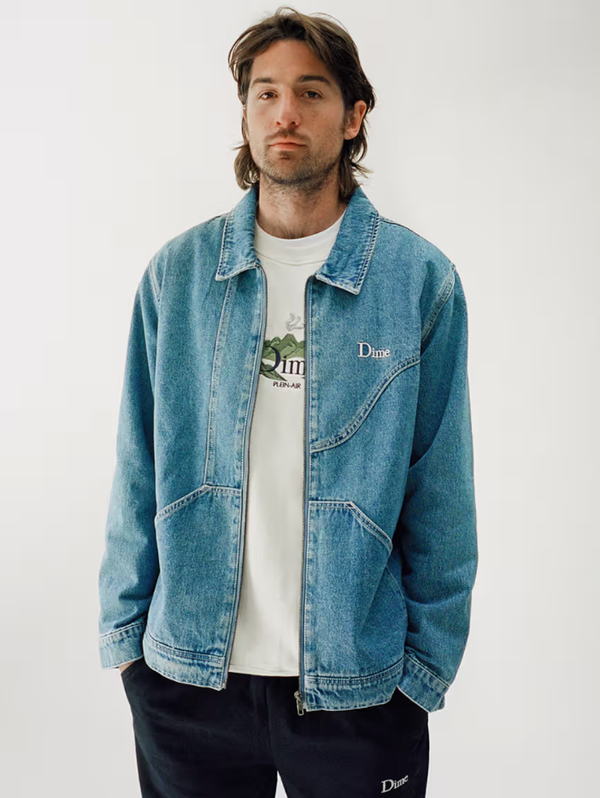 Baggy
BaggyThe independent Montreal label pairs deadpan graphics with heavy, comfortable basics. It sits between core skate and fashion-adjacent streetwear.
Look at first Graphic tees, fleece, hoodies
But Priced well above core board brands, and drops can sell through fast.
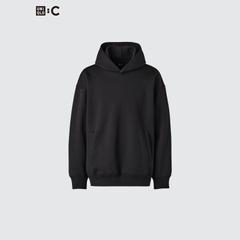
Cheaper way in Sweat Oversized Pullover Hoodie (Uniqlo) $49.90
Explore Dime →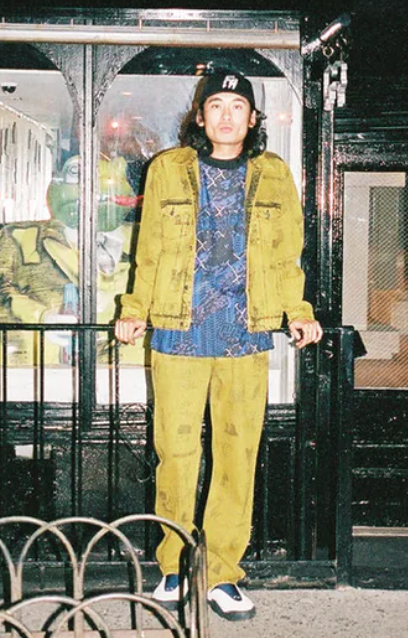 Baggy
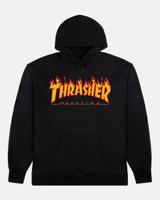
BaggyPro skaters Jason Dill and Anthony Van Engelen created it as a skateboard company, and it still sells boards alongside the clothes. The Fecke Baggy Denim Jean is wide through the seat and knee, in 14oz Turkish cotton denim.
Look at first Fecke Baggy Denim Jean, Double Knee Little Patch Work Pants, FA Simple Hoodie
But The FA Simple Hoodie is boxy and slightly cropped by design; check the model's size note before ordering.
Explore Fucking Awesome →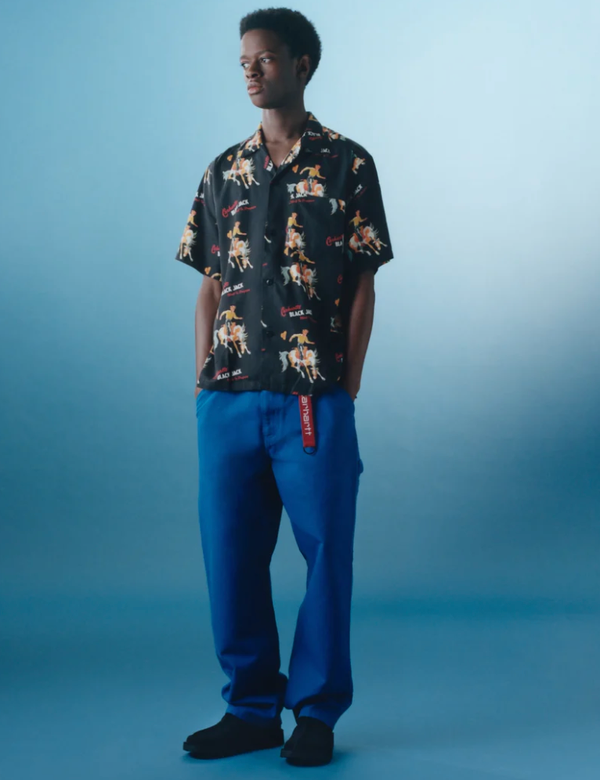 Workwear
The European offshoot of Carhartt reworks work pants and jackets in skate-friendly cuts. The canvas Double Knee Pant uses 12 oz organic cotton.
Look at first Double Knee Pant, Single Knee Pant, Detroit Jacket
But The Double Knee starts at $165, several times the price of Dickies' version.
Cheaper way in Loose Fit Double Knee Work Pants (Dickies) $34.99
Explore Carhartt WIP →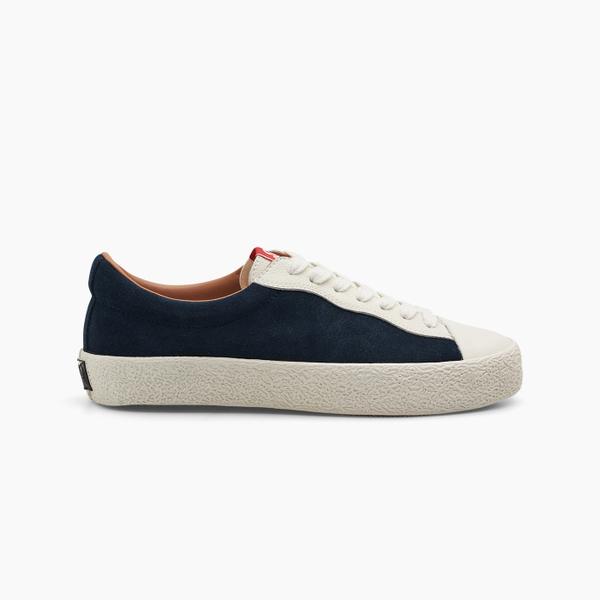 CoreBaggy
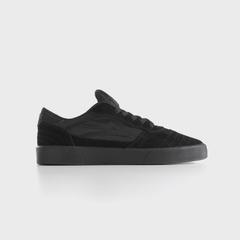
Polar founder Pontus Alv started the brand for vulcanised shoes made for skating. The VM001 pairs a suede upper with a double-stitched eye-stay and a canvas lining.
Look at first VM001 Lo, VM001 Hi
But Priced in euros on its own store, and thin vulc soles give little protection on big drops.
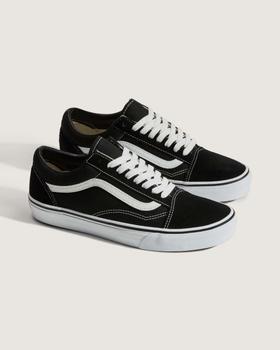
Cheaper way in Skate Old Skool Shoe (VANS) $75
Explore Last Resort AB →